
Starting a business comes with numerous challenges, and one of the biggest hurdles that startups face is providing healthcare benefits to their employees. Not only is it crucial for attracting top talent, but it’s also a legal requirement in many cases. Fortunately for small businesses, the Small Business Health Care Tax Credit (SBHCTC) can provide essential support. In this article, we’ll explain what the Small Business Health Care Tax Credit is, its eligibility criteria, and how startups can leverage it effectively to grow their business while offering benefits to their employees.
What is the Small Business Health Care Tax Credit?
The Small Business Health Care Tax Credit is a program initiated by the Affordable Care Act (ACA) aimed at providing financial relief to small businesses that offer health insurance to their employees. This tax credit can help offset the cost of health insurance premiums, making it easier for startups to afford providing quality healthcare to their staff.
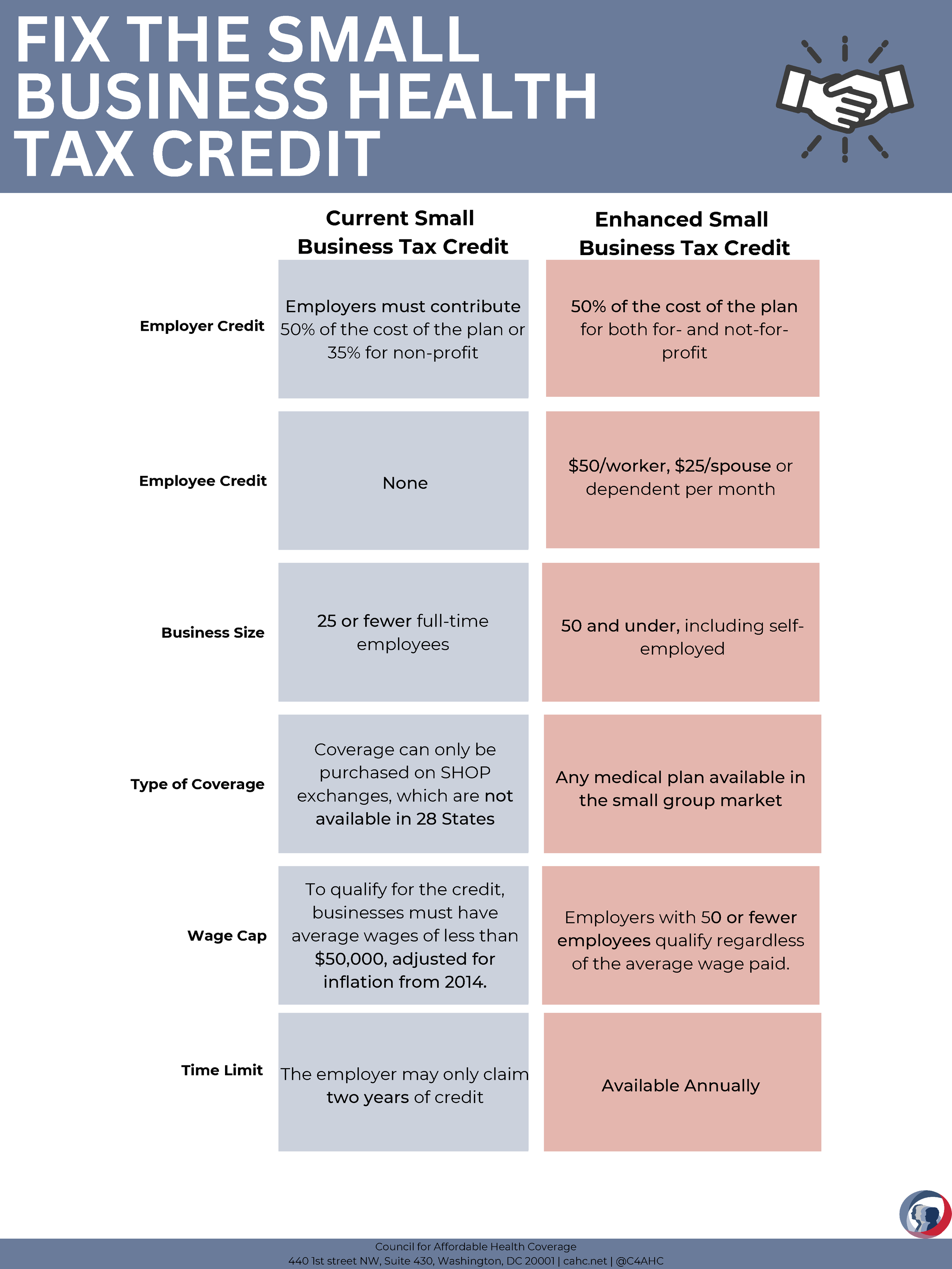
The SBHCTC is designed for small businesses with fewer than 25 full-time equivalent (FTE) employees, and it can cover up to 50% of the premiums paid by the employer for small group health plans (35% for tax-exempt organizations). This can translate into significant savings, allowing startups to invest more into their growth instead of getting bogged down by healthcare costs.
Who is Eligible for the Tax Credit?
To leverage the Small Business Health Care Tax Credit effectively, startups should ensure they meet the following eligibility criteria:
-
Size of the Business: Your business must have fewer than 25 FTE employees. To calculate FTEs, divide the total number of hours worked by all employees (not exceeding 2,080 hours per year for a single employee) by 2,080.
-
Average Wage: The average annual wages of your employees must be less than $50,000. This amount is adjusted annually, so be sure to check for the current limits.
-
Health Care Plan: You must pay at least 50% of the premium costs for your employees’ health insurance.
-
Marketplace Coverage: The coverage must be offered through the Health Insurance Marketplace, specifically a Small Business Health Options Program (SHOP).
By ensuring that your startup meets these criteria, you can take full advantage of the tax credit and significantly reduce your healthcare expenditure.
How to Claim the Small Business Health Care Tax Credit
Claiming the Small Business Health Care Tax Credit is a relatively straightforward process if you follow these steps:
Step 1: Evaluate Your Eligibility
Before anything else, assess whether your startup meets the eligibility requirements outlined above. It’s crucial to ensure that you qualify so that you can maximize your benefits.
Step 2: Choose a Qualified Health Plan
You’ll need to select a qualified health insurance plan from the Marketplace, specifically under the Small Business Health Options Program (SHOP). Make sure to understand the different plans available and select one that best fits your employees’ needs as well as your budget.
Step 3: Calculate Your Premium Costs
Keep detailed records of the premium costs that you are paying for your employees’ health insurance. This information will be essential when calculating your tax credit.
Step 4: File Your Taxes
To claim the credit, you will need to complete IRS Form 8941, which is used to calculate the Small Business Health Care Tax Credit. This form will ask for information about your employees, the type of coverage you provide, and the amount you paid in premiums.
Step 5: Consult a Tax Professional
Because tax regulations can be complex and change frequently, it may be wise to consult with a tax professional. They can provide insights into ensuring you’re maximizing your tax credits or identifying any other tax-saving strategies.
Benefits of Utilizing the Small Business Health Care Tax Credit
Leveraging the Small Business Health Care Tax Credit can have numerous benefits for startups. Here are some key advantages:
1. Cost Savings
The most immediate benefit is the cost savings associated with healthcare premiums. By receiving a tax credit, startups can significantly reduce their expenditure on employee health insurance. This free up funds that can be redirected towards other critical areas of the business, such as marketing, talent acquisition, or product development.

- Overcome negative thought patterns, reduce stress, and live a worry-free life
- Overthinking is the biggest cause of unhappiness
- Don't get stuck in a never-ending thought loop
- Stay present and keep your mind off things that don't matter, and never will
- Break free of your self-imposed mental prison
2. Competitive Advantage in Hiring
In a competitive job market, startups need to differentiate themselves to attract top talent. Offering health insurance benefits can be a major selling point. By utilizing the tax credit, your startup can afford to offer employee benefits that larger companies may provide, making your position in the job market more competitive.
3. Employee Satisfaction and Retention
Investing in your employees’ health and well-being fosters loyalty and can lead to increased employee satisfaction. Health benefits are highly valued by employees, so providing them can boost morale and reduce turnover.
4. Improved Productivity
Healthy employees are statistically more productive; they take fewer sick days, are more engaged, and contribute positively to the workplace environment. By ensuring that your employees have access to quality healthcare, you’re investing in their well-being, which can translate to better business performance.
5. Long Term Growth
As your startup begins to grow, the benefits of offering healthcare to employees become even more pronounced. A solid benefits package not only helps in recruitment but also in retaining experienced employees who contribute to the growth and development of the company.
Strategies to Effectively Leverage the Tax Credit
To make the most of the Small Business Health Care Tax Credit, consider the following strategies:
1. Educate Your Employees
Make sure your employees understand the health insurance options available to them. Host information sessions or provide handouts that explain their benefits and how they can utilize them. When employees feel well-informed, they are more likely to appreciate the benefits, which can enhance workplace morale.
2. Regularly Review Your Health Insurance Plan
As your business expands, so might your health insurance needs. Regularly review your healthcare offerings to ensure they meet the evolving needs of your employees. Consider seeking input from your staff when shopping for new plans to help facilitate a plan that works for everyone.
3. Work with a Broker
A health insurance broker can help guide you through the complex landscape of health insurance plans and ensure you find a plan that maximizes your SBHCTC. Brokers often have access to multiple insurance options and can provide valuable insight into what’s best for your business.
4. Stay Updated with Tax Regulations
Tax laws change frequently, and remaining informed about these changes is important for making the most of your credits. Subscribe to newsletters, consult with tax professionals, or follow reliable online resources to ensure you don’t miss any important updates.
5. Measure Your Return on Investment
Once you’ve implemented your health insurance plan leveraging the tax credit, regularly assess its impact on your business. Track metrics such as employee satisfaction, retention rates, and productivity levels. Understanding the financial and emotional return on your investment can help you make informed decisions moving forward.
Conclusion
Navigating the complexities of healthcare benefits can be a daunting task for startups, but the Small Business Health Care Tax Credit offers a valuable opportunity for financial relief while boosting employee morale and satisfaction. By understanding the eligibility criteria, properly claiming the credit, and employing strategies for maximization, startups can leverage this incentive to effectively manage their healthcare costs.
In a world where attracting and retaining talent is crucial for growth, leveraging the SBHCTC not only benefits the bottom line but also enhances the workplace environment. Carefully assess your business’s unique needs, consult professionals when necessary, and watch as your startup thrives while navigating the challenges of healthcare provisions.


