
Embarking on the journey of launching a startup is both thrilling and daunting. As an entrepreneur, the excitement of bringing an innovative idea to life is often paired with navigating the complex landscape of business finance. One critical aspect that many founders overlook is the impact that seed funding can have on their startup’s tax obligations. In this comprehensive guide, we will explore how seed funding affects your startup’s taxes and provide valuable insights to help you manage your financial responsibilities effectively.
What is Seed Funding?
Before delving into the intricate details of seed funding and its tax implications, let’s clarify what seed funding is. Seed funding refers to the initial capital that startups raise to develop their business concepts. This funding typically comes from various sources, including angel investors, venture capital firms, crowdfunding, incubators, or even friends and family. The amount can vary significantly, but it is generally aimed at covering early-stage expenses such as research and development, market analysis, and basic operational costs.

The objective of seed funding is to help startups reach critical milestones, which often include developing a prototype, securing initial customers, and ultimately attracting further investment in future funding rounds.
The Link Between Seed Funding and Your Startup’s Taxes
Now that we understand the essence of seed funding, it’s essential to discuss how this financial lifeline affects your startup’s tax situation. Here are the key factors to consider:
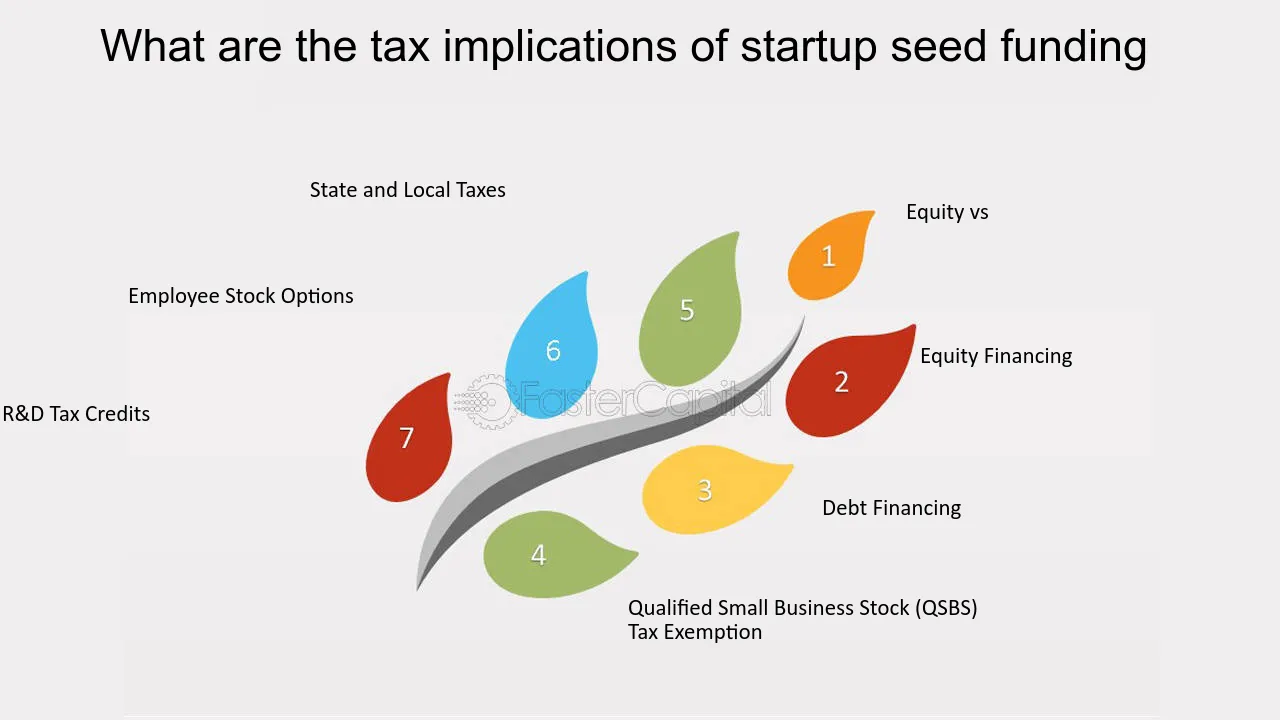
1. Equity Financing vs. Debt Financing
Seed funding can come in multiple forms, primarily equity financing or debt financing.
-
Equity Financing: When raising seed funding through equity, investors provide capital in exchange for ownership stakes in the company. This means that the funding itself is not considered income, and you won’t have to pay taxes on the amount received. However, if you later sell equity or your startup gets acquired, the proceeds from those transactions may be subject to capital gains taxes. Additionally, it’s crucial to keep in mind that issuing shares can also lead to dilution of ownership, affecting your control over the startup.
-
Debt Financing: On the other hand, if your startup opts to take on debt through loans or convertible notes, the scenario is different. While the funds received in the form of loans typically are not counted as taxable income, the interest payments on those loans are generally considered tax-deductible expenses. This can reduce your overall tax liability and provide short-term financial relief. However, it is essential to ensure that your startup can manage the repayments to avoid cash flow issues.
2. Impact of Tax Credits
Many states and the federal government offer tax credits and incentives to encourage startup growth, especially for those in technology and innovative sectors. These tax credits can serve as a valuable source of additional funding during the seed funding phase.
-
Research & Development (R&D) Tax Credits: If your startup is involved in developing new products or processes, you may qualify for R&D tax credits, allowing you to recover a portion of your expenses related to research. This can significantly minimize your tax burden and free up capital for further business development.
-
State-specific Credits: Different states may offer varying incentives for startups, including tax credits for job creation or investments in specific industries. It’s crucial for entrepreneurs to research and understand these opportunities early in their funding journey to take full advantage of available incentives.
3. Formation Structure
The legal structure of your startup (LLC, Corporation, S-Corporation, etc.) can also influence how seed funding impacts your taxes. Here’s how these different structures may affect tax responsibilities:
-
Limited Liability Company (LLC): An LLC is a popular choice, as it allows pass-through taxation. This means that the business income is reported on the owners’ personal tax returns, avoiding the double taxation faced by C-Corporations. If you receive seed funding, you still need to report any income derived from your business operations on your personal tax return, even if the funds are from equity financing.
-
C-Corporation: If you choose to establish your startup as a C-Corporation, you may face double taxation. The corporation must pay corporate taxes on its income, and any distributions to shareholders (i.e., dividends) are subject to personal income taxes. This structure can be less attractive for seed investors looking to avoid potential tax liabilities for their returns.
-
S-Corporation: An S-Corporation offers benefits similar to an LLC regarding pass-through taxation; however, it comes with stricter operational restrictions. Seed funding in the form of equity would not be subject to corporate taxation, but investors will still pay taxes on payouts at the individual level.

- Overcome negative thought patterns, reduce stress, and live a worry-free life
- Overthinking is the biggest cause of unhappiness
- Don't get stuck in a never-ending thought loop
- Stay present and keep your mind off things that don't matter, and never will
- Break free of your self-imposed mental prison
4. Capital Gains Tax Implications
If your startup successfully scales and raises a subsequent round of funding, it is essential to understand how seed funding can set you up for potential capital gains taxes down the road.
-
Holding Period: To take advantage of favorable long-term capital gains tax rates, equity investors must hold their shares for more than a year. If your startup thrives and you plan to exit by selling shares or being acquired within that timeframe, investors may benefit from reduced capital gains rates.
-
Qualified Small Business Stock (QSBS): Certain startups may qualify as Qualified Small Business Stocks, allowing investors to exclude a significant portion of their gains from taxes if they hold their investments for over five years. This tax incentive can help attract seed funding, as potential investors are more likely to invest if they understand the favorable tax implications.
5. Use of Funds and Deductions
It’s essential to keep detailed records concerning how the seed funding is utilized within your startup. Properly documenting the use of funds is vital not only for internal accounting purposes but also for tax reporting.
-
Business Deductions: Startup expenses related to technology, marketing, hiring, and office space can often be deductible on your taxes, effectively lowering your taxable income. Ensure that you keep receipts, contracts, and invoices, as these records will support any deductions you claim, resulting in tax savings.
-
Pro Rata Deductions: If part of your seed funding is designated for specific divisions or projects, you may apply pro-rata deductions, allocating expenses appropriately depending on where the funds were applied.
6. Consult with a Tax Professional
Navigating the various nuances of tax obligations and implications surrounding seed funding can be complex and time-consuming. Therefore, it is highly advisable to consult with a tax professional or accountant who is well-versed in small business and startup taxation.
Conclusion
Seed funding can be a game-changer for your startup, providing the capital necessary to grow and innovate. However, understanding its implications on your taxes is essential for sound financial management. By grasping how different financing structures affect your tax situation, leveraging available tax credits, and strategically planning your capital use, you can maximize the advantages that seed funding brings.
As you embark on your entrepreneurial journey, remember that proactive planning today can lead to sustainable growth and avoid financial pitfalls in the future. Whether you’re considering equity or debt, or exploring the benefits of different entities, ensure you’re armed with relevant knowledge to make informed decisions.
The startup landscape is ever-changing, but with the right financial strategies in place, you’ll be well on your way to building a successful venture while effectively navigating the tax implications of seed funding. Happy hustling!


