
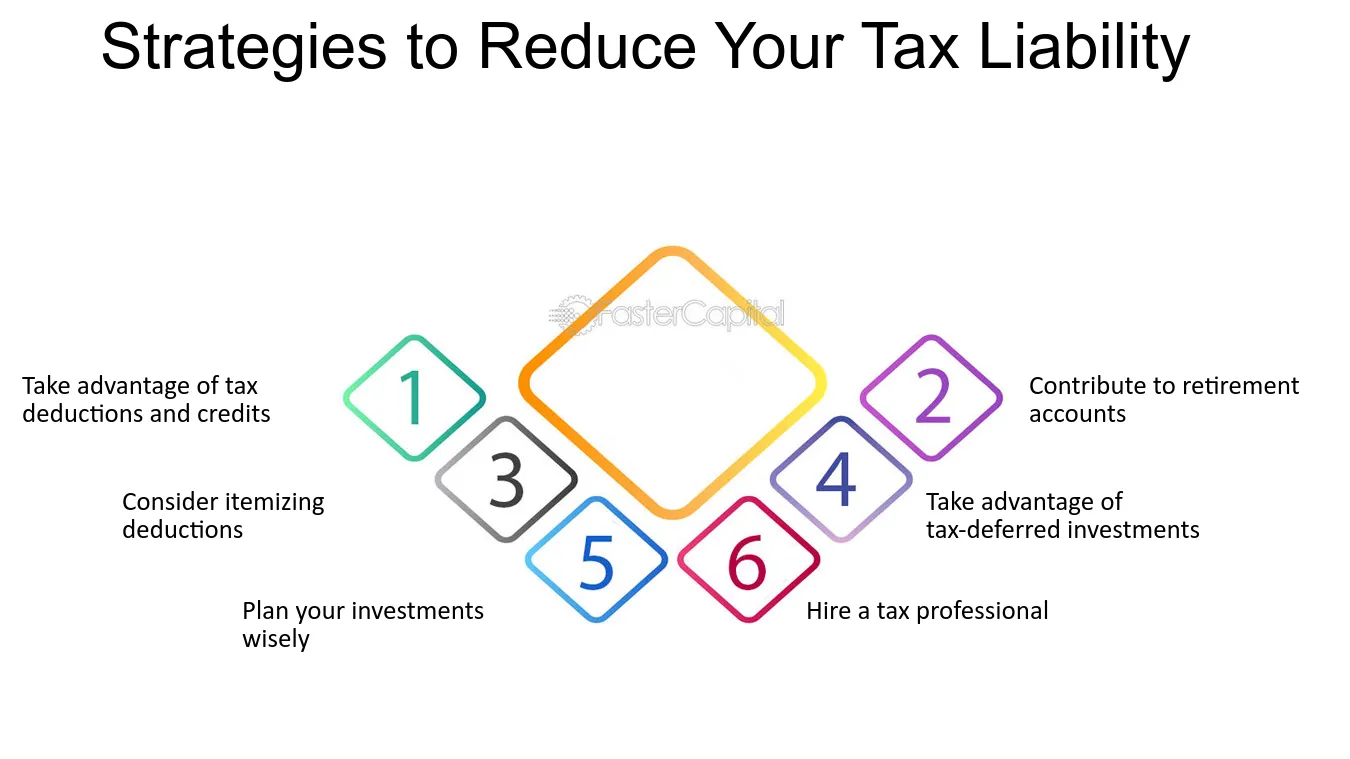
Starting a new business can be both exciting and overwhelming. With countless decisions to make, from choosing the right team to crafting the perfect product, entrepreneurs often overlook a critical component: the financial structure of their startup. One of the most important aspects of this structure involves funding, especially regarding how these funds are raised and utilized to minimize tax liability. This article will guide you through effective strategies to structure your startup funding, ensuring that you not only secure the necessary capital but also optimize your tax situation.
Understanding Funding Types
Before diving into how to structure funding effectively, it’s essential to understand the various types of funding available to startups. Each type comes with its own implications for equity, control, and, importantly, taxes.

-
Bootstrapping: This involves using personal savings or revenue generated from the business to fund growth. While it gives you complete control and minimizes debt, tax implications can arise from personal funds, particularly in cases where you have to convert personal assets into business assets.
-
Angel Investors: These are individuals who provide capital for startups, usually in exchange for convertible debt or ownership equity. They can offer mentorship along with funding, but the equity given up can lead to future tax liabilities.
-
Venture Capital: Venture capital firms invest in high-potential startups in exchange for equity. While this can provide significant funding, it often introduces more complex financial arrangements and tax obligations, particularly if equity stakes are significant.
-
Crowdfunding: Through platforms like Kickstarter or Indiegogo, entrepreneurs can raise funds from individuals without giving up equity. However, regulations on taxes for crowdfunding can be complicated and must be navigated carefully.
-
Loans and Grants: Traditional bank loans or government grants can provide funds without giving up equity, yet they come with their tax considerations, particularly around interest payments and potential income classifications.
Structuring Your Startup for Tax Efficiency
Once you’ve chosen your funding sources, you’ll need to structure them wisely to minimize your tax liability. Here are some strategies that can guide you:
1. Choose the Right Business Entity
The type of business entity you choose can significantly impact your tax liability. Here are the most common types:
-
Sole Proprietorships: The simplest structure but with personal liabilities. Profits are taxed on personal tax returns, potentially leading to higher personal tax rates.
-
Limited Liability Companies (LLC): Offers flexibility in taxation. An LLC can choose to be taxed as a sole proprietorship, partnership, or corporation, allowing you to optimize taxes based on your earnings.
-
Corporations (C and S Corp): C Corps are taxed separately from their owners, which can lead to double taxation on dividends. S Corps can pass income through to shareholders and avoid corporate tax, but they come with eligibility requirements and limitations on the number of shareholders.
Carefully analyzing these structures and their tax implications with a financial advisor can ensure you choose the best option for your startup.
2. Take Advantage of Tax Deductions
Startups should fully leverage allowable tax deductions available at the federal, state, and local levels. Common deductions include:
-
Startup Costs: You can deduct up to $5,000 in startup expenses in the first year of operation. The remaining costs can be amortized over 15 years.
-
Operating Expenses: Salaries, rent, utilities, and marketing expenses directly associated with the startup can be deducted from your taxable income.
-
Depreciation: For larger purchases such as equipment and property, you can capitalize on depreciation rules that allow you to deduct the cost over time.

- Overcome negative thought patterns, reduce stress, and live a worry-free life
- Overthinking is the biggest cause of unhappiness
- Don't get stuck in a never-ending thought loop
- Stay present and keep your mind off things that don't matter, and never will
- Break free of your self-imposed mental prison
3. Consider Investment Structures
The way you structure your investors and investments can also affect tax liability:
-
Convertible Notes: If you initially finance using convertible notes, this can defer tax liability since interest isn’t taxed until the note is converted into equity or until it matures.
-
Qualified Small Business Stock (QSBS): If your business qualifies as a C Corp and meets specific criteria, investors may not have to pay capital gains tax on stock sales held for more than five years.
-
Equity Compensation: Offering employees stock options instead of cash can minimize payroll taxes and provide significant tax breaks for the startup itself.
4. Planning for Exit Strategy
Your exit strategy matters for tax implications. If you plan to sell the company or bring in new investors, understanding the tax consequences of these actions ahead of time will help reduce liabilities:
-
Asset Sales vs. Stock Sales: The method of sale can have vastly different tax implications. An asset sale can lead to better tax benefits for buyers but can be less favorable for sellers due to the possibility of double taxation.
-
Timing Your Exit: The timing of your business sale can impact tax liabilities. If the business transition aligns with lower income years or utilizes losses carried forward, this can minimize tax burdens.
5. Engage a Tax Professional
Navigating tax implications can feel like walking through a minefield where one misstep could lead to devastating consequences. Engaging a skilled tax professional is one of the smartest decisions you can make. They will provide guidance tailored to your unique business model, funding structure, and long-term objectives. Regular tax consultations can help ensure you take advantage of changes in tax law or regulations.
A Look at State-Specific Considerations
Tax laws vary significantly across states, and this is particularly important for startups. Understanding the tax environment in your operating state can deliver additional benefits:
-
Some states offer tax credits for research and development activities, which can be particularly advantageous for tech startups.
-
States like Delaware and Nevada are popular for their business-friendly regulations and tax advantages, making registration in these states more appealing.
Final Thoughts
Establishing your startup funding structure is more than just getting money into your business; it’s about smart financial planning that minimizes tax liability. Understanding the nuances of various funding types, choosing the right business entity, leveraging deductions, and properly planning for exits will create a strong financial foundation for your startup.
By consciously structuring your startup funding, engaging with professionals, and staying informed about tax laws, you can position your business for long-term growth and sustainability. Ultimately, minimizing tax liability isn’t just about saving money; it’s about reinvesting into your business to foster innovation and expand your impact in your industry.
As the entrepreneurial landscape continues to evolve, being proactive in these financial strategies will set you up not only for success but also for a lucrative future. Happy funding, and may your startup thrive!


