
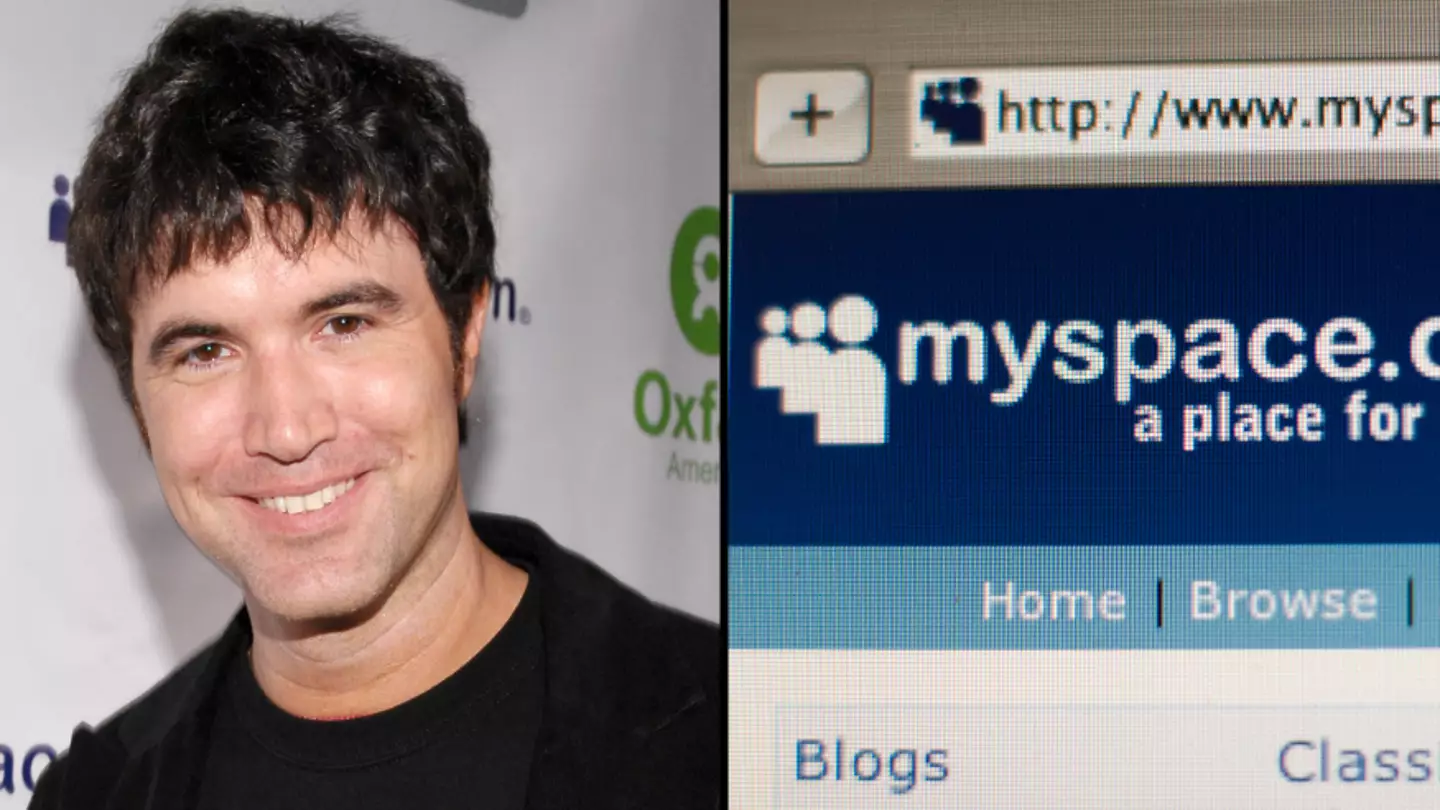
In the early 2000s, MySpace was the king of social media. At its peak, the platform was a digital playground for millions of users who customized their profiles, shared music, and connected with friends. At the center of this digital revolution was Tom Anderson, co-founder of MySpace, affectionately known as “Tom from MySpace.” This article delves into the rise and fall of MySpace, Tom’s subsequent career path, and his life after selling the social media giant.
The Rise of MySpace
MySpace was founded in 2003 by Tom Anderson and Chris DeWolfe. It quickly became the most visited social networking site in the world, thanks to its user-friendly interface and customizable profiles. Unlike other platforms of the time, MySpace allowed users to add music, backgrounds, and personal HTML code to their pages, making each profile unique. This feature particularly appealed to musicians and bands, who used the platform to share their music and grow their fanbase.
Tom Anderson: The Face of MySpace
Tom Anderson became an iconic figure due to his role as every new user’s first friend on MySpace. His friendly face and default profile picture became synonymous with the platform. As MySpace’s president, Anderson played a significant role in its early development and success. His vision of a user-driven social network where everyone could express their individuality resonated with millions of users worldwide.
The Sale and Decline of MySpace
In 2005, just two years after its launch, MySpace was sold to News Corporation (News Corp) for $580 million. This sale was a pivotal moment for the company, but it also marked the beginning of its decline. News Corp aimed to monetize the platform aggressively, but this shift in focus led to user dissatisfaction. The introduction of intrusive ads and the slow pace of innovation compared to emerging competitors like Facebook contributed to MySpace’s downfall.
By 2008, MySpace was rapidly losing ground to Facebook, which offered a cleaner interface and more sophisticated user experience. Despite efforts to revive the platform, including multiple redesigns and a focus on music, MySpace could not regain its former glory. In 2011, MySpace was sold again for a fraction of its previous value.
Life After MySpace
After selling MySpace, Tom Anderson stepped away from the social media spotlight. Unlike many tech entrepreneurs who stay in the industry, Anderson chose a different path. He embraced a life of travel and photography, documenting his adventures on his social media accounts. His Instagram feed, filled with stunning landscapes and cityscapes, has garnered a substantial following, showcasing his talent and passion for photography.
Financial Success and Personal Fulfillment
The sale of MySpace left Anderson with significant financial resources, allowing him to pursue his interests without the pressure of a traditional career. He invested in various tech startups and real estate, ensuring his financial stability. However, it’s his lifestyle as a digital nomad and photographer that truly defines his post-MySpace identity. Anderson’s journey from tech mogul to globetrotter highlights a unique approach to life after corporate success.
The Legacy of MySpace
Despite its decline, MySpace’s impact on social media is undeniable. It laid the groundwork for user-generated content and the importance of personal branding online. Many features that were innovative at the time, such as profile customization and integrated music players, have influenced modern social media platforms.
MySpace also played a crucial role in the careers of many artists who used the platform to reach a broader audience. Bands like Arctic Monkeys and solo artists like Lily Allen credit MySpace with helping them gain early recognition and build their fanbases.
Lessons Learned
Tom Anderson’s story is a compelling case study in the rapid rise and fall of tech startups. It underscores the importance of adapting to market changes and user preferences. MySpace’s inability to innovate and keep pace with competitors like Facebook ultimately led to its downfall. However, Anderson’s ability to pivot and find fulfillment outside the tech industry is equally instructive.
His journey teaches us that financial success provides the freedom to explore personal passions and live a balanced life. Anderson’s post-MySpace career is a testament to the value of pursuing what you love, even if it means stepping away from the industry that made you successful.
The Future of Social Media
While MySpace is no longer a dominant force, the landscape of social media continues to evolve. Platforms like Facebook, Instagram, TikTok, and Twitter dominate the space, each offering unique features that cater to different user needs. The rise and fall of MySpace serve


