
Choosing the right life insurance policy is one of the most important financial decisions you’ll make for yourself and your family. With so many options available, it can feel overwhelming to determine which policy best suits your needs. Life insurance not only provides **peace of mind** but also ensures that your loved ones are financially protected in the event of life’s unexpected challenges.
Before committing to a policy, it’s critical to assess your financial goals, current obligations, and the support your family may need in the future. By carefully evaluating your requirements and understanding the various options, you can select a policy that offers the **optimal combination of coverage, flexibility, and affordability**. Whether it’s term life insurance for temporary coverage or whole life insurance for more comprehensive protection, making an informed choice will secure your family’s financial well-being.

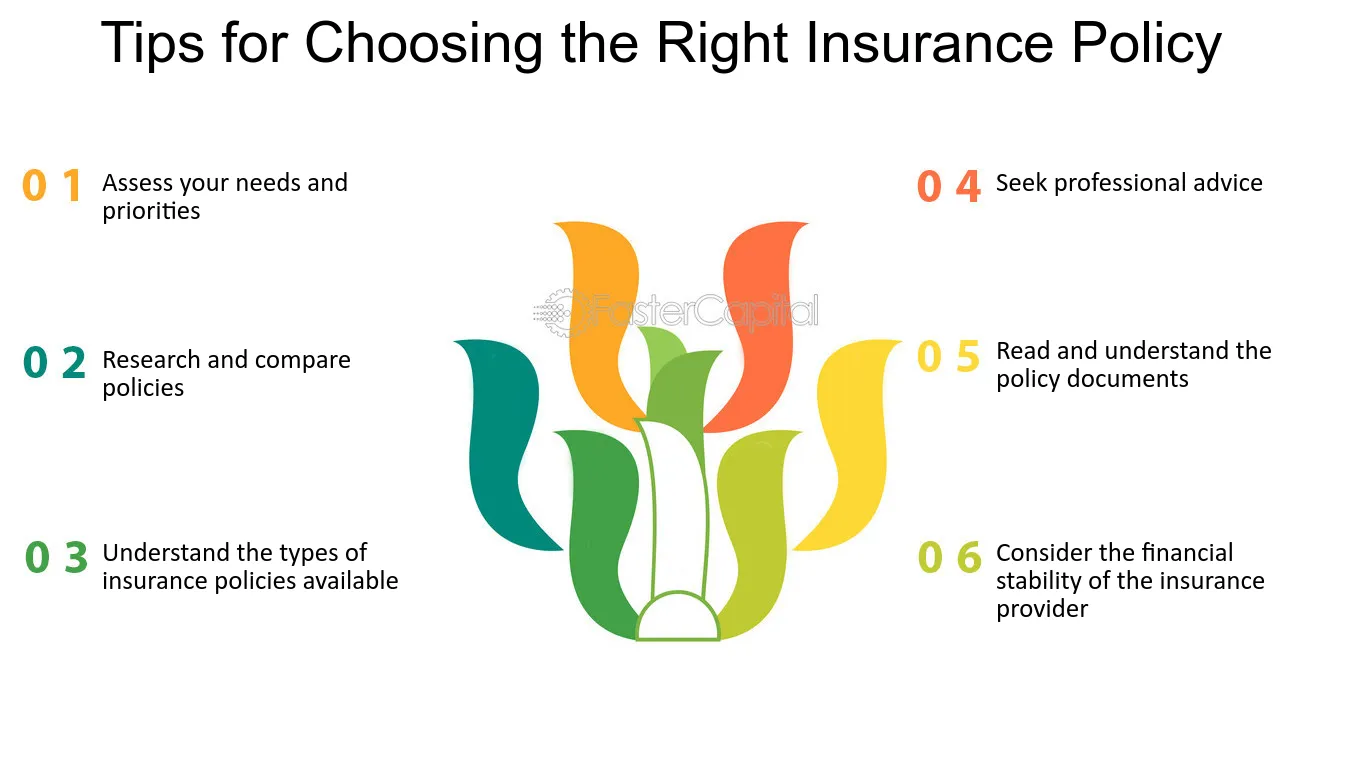
To help you navigate this process, we’ve compiled some of the **best practices for choosing the right life insurance policy**. These steps will guide you in identifying your priorities, comparing options, and ultimately selecting a policy tailored to your specific needs.
“`html
Best Practices for Choosing the Right Life Insurance Policy
Choosing the right life insurance policy can be a daunting task, especially with so many options available. Life insurance is essential for protecting your loved ones and ensuring financial stability in case of unexpected events. However, selecting the right plan requires careful planning and understanding of the different policies, costs, coverage options, and benefits. In this article, we’ll guide you through the best practices for choosing the most suitable life insurance policy while balancing your financial goals and personal needs.
Cost and Services: Comparing Life Insurance Options
Understanding the costs and services associated with life insurance policies is a critical step in determining the right coverage for you. Policies vary not only in premium costs but also in terms of benefits, term length, and additional features. Below is a comparison table highlighting some key differences between term life insurance and whole life insurance options:
| Type of Policy | Premium Cost | Coverage Duration | Key Features |
|---|---|---|---|
| Term Life Insurance | Starting from $10-$50 per month* | 10, 20, or 30 years | Affordable, straightforward, expires at the end of the term. |
| Whole Life Insurance | Starting from $100-$300 per month* | Lifetime | Builds cash value, higher premium, fixed rates. |
*Pricing varies based on age, health, coverage amount, and insurer.
Both term and whole life insurance have their pros and cons. While term life is more affordable and ideal for temporary needs, whole life can be a better option for those who want permanent coverage and investment potential. Understanding what you need out of your policy will help you make the right choice.
Practical Tips for Choosing the Right Life Insurance
When looking for the perfect life insurance policy, there are a few practical steps you can take to save money, compare options, and ensure coverage meets your needs:
1. Determine Your Budget and Coverage Needs
- Assess how much coverage is needed to protect your family’s finances. This may include mortgage costs, education expenses, or any debts you want paid off in your absence.
- Set a budget for what you can afford to pay monthly without straining your finances.
2. Compare Quotes from Multiple Insurers
- Don’t settle for the first offer. Use online comparison tools or work with an agent to get quotes from several providers.
- Look beyond premium costs; consider benefits, exclusions, and flexibility of the policy.
3. Take Advantage of Discounts or Group Plans
- Many insurers offer discounts based on your health, lifestyle, or if you purchase other types of insurance from them.
- Check if your employer offers group life insurance—this can often secure coverage at a lower rate.
4. Consider Timing
- The younger and healthier you are when you purchase life insurance, the more affordable your premiums will be.
- Waiting too long to buy coverage could mean higher costs or limited options due to health changes.
Frequently Asked Questions
Q: How much life insurance coverage do I really need?
A: As a rule of thumb, many experts recommend coverage that is 5-10 times your annual income. However, your specific needs may vary based on debts, dependents, and long-term financial goals.
Q: What’s the difference between a medical exam and no-medical-exam policy?
A: A medical-exam policy requires you to undergo a health check before coverage approval, often offering lower premiums for healthy applicants. No-medical-exam policies provide faster approval but may come with higher premiums.
Q: Can I switch my life insurance policy later?
A: Yes, many people adjust or switch policies as their financial situation or priorities change. Check with your insurer for flexibility options and associated costs.
Q: What happens if I miss a premium payment?
A: Most policies include a grace period, typically around 30 days, during which you can make a late payment without losing coverage. Missing beyond that period could result in policy cancellation.
Key Takeaways for Choosing the Right Policy
Choosing the right life insurance policy is an important decision that requires careful evaluation of your needs, budget, and long-term plans. Here’s what to remember:
- Understand the differences between term and whole life insurance and choose based on your goals.
- Compare costs and features from various providers to find the best deal.
- Start early to lock in lower premiums and ensure financial protection for your family.
If you have questions or need personalized advice, consult a licensed insurance professional or visit comparison websites for tailored recommendations. By taking proactive steps, you can secure the right coverage and peace of mind for the future.
“`


