
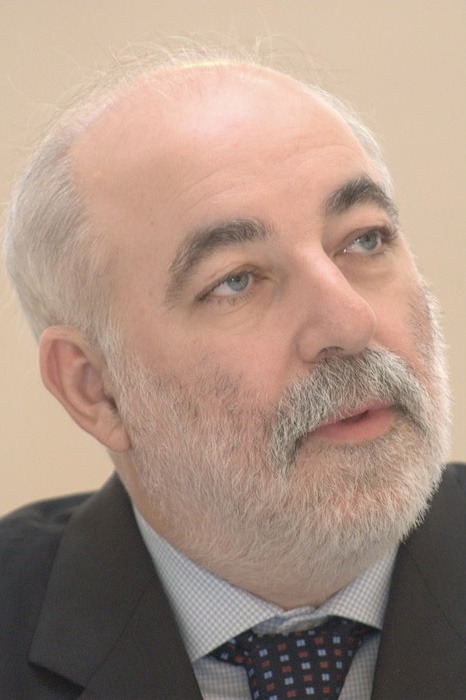
Viktor Vekselberg, a prominent Russian businessman, has built an impressive fortune through strategic investments in various industries. With a net worth of approximately $17 billion, Vekselberg is one of the wealthiest individuals in Russia. This article will delve into how much Viktor Vekselberg earns, provide detailed insights into his wealth, and explore the historical context and nuances that have shaped his financial success.
Viktor Vekselberg’s Earnings
Viktor Vekselberg’s earnings come from his vast array of investments and business ventures. His primary income sources include his stakes in major companies and dividends from his profitable investments. As the owner of the Renova Group, a conglomerate with interests in energy, metals, mining, technology, and other sectors, Vekselberg has a diversified portfolio that generates substantial revenue.
One of Vekselberg’s significant earnings milestones was the sale of a 12.5% stake in the oil venture TNK-BP for $7 billion in 2013. Before this sale, he had already earned nearly $5 billion in dividends from this asset. Additionally, his control over a 6% stake in United Co. Rusal, Russia’s largest aluminum producer, further contributes to his substantial income.
Viktor Vekselberg’s Wealth
As of 2024, Viktor Vekselberg’s net worth is estimated at $17 billion. This immense wealth places him among the richest individuals in Russia. Vekselberg’s fortune is primarily held by the Renova Group, which encompasses his various business interests and investments.
Vekselberg’s wealth is not only derived from his stakes in oil and aluminum but also from his significant holdings in other industries. He owns substantial stakes in companies such as Sulzer, Oerlikon, and Schmolz + Bickenbach. Additionally, he controls the utility company T Plus and has numerous other investments that contribute to his diversified and robust financial portfolio.
Historical Context and Nuances
Viktor Vekselberg’s journey to becoming a billionaire is rooted in his early life and career. Born on April 14, 1957, in Drohobych, Ukrainian SSR, Soviet Union, Vekselberg pursued an education in engineering, graduating from the Moscow Transportation Engineering Institute in the late 1970s. He initially worked in a state research lab, focusing on scientific research, before shifting his focus to business in the early 1990s.
Vekselberg began building his fortune with copper and aluminum smelting businesses. His business acumen and strategic investments in these industries allowed him to amass significant wealth. In the mid-1990s, he became co-owner and chairman of Tyumen Oil, where he brokered a lucrative deal with the multinational oil company BP. This venture marked the beginning of his rise to prominence in the business world.
In 1996, Vekselberg founded SUAL Holdings, which eventually became one of the world’s most successful aluminum companies. SUAL later merged with RUSAL, further solidifying his position in the aluminum industry. His various ore and oil companies were brought under the umbrella of the Renova Group, the holding company that manages his diverse business interests.
Factors Contributing to Viktor Vekselberg’s Financial Success
Several factors have played a crucial role in Viktor Vekselberg’s financial success and his position as one of the wealthiest individuals in Russia. These factors include:
Strategic Investments
Vekselberg’s ability to identify and invest in profitable ventures has been a cornerstone of his financial success. His investments in the aluminum and oil industries, as well as his stakes in various other companies, have yielded substantial returns, contributing to his immense wealth.
Diversification
By diversifying his investment portfolio across multiple industries, Vekselberg has mitigated risks and ensured multiple streams of income. His interests in energy, metals, mining, technology, and utilities showcase his strategic approach to wealth accumulation.
Business Acumen
Vekselberg’s business acumen and strategic vision have been evident throughout his career. His successful negotiations and deals, such as the TNK-BP venture and the formation of SUAL Holdings, demonstrate his ability to capitalize on market opportunities and drive business growth.
Resilience and Adaptability
Vekselberg’s resilience and adaptability have allowed him to navigate various economic challenges and continue to grow his business empire. Despite facing political and economic uncertainties, he has managed to maintain and expand his wealth through strategic decision-making and investment.
Philanthropy and Cultural Investments
In addition to his business ventures, Vekselberg is known for his philanthropy and cultural investments. He has funded numerous cultural and educational initiatives, including the restoration of historical artifacts and the establishment of the Skolkovo Innovation Center, a government-funded project aimed at creating a hub for technology and innovation in Russia.
Conclusion
Viktor Vekselberg’s earnings and wealth are a testament to his strategic investments, business acumen, and resilience. As the owner of the Renova Group, he has built a financial empire that spans multiple industries, from energy and metals to technology and utilities. His ability to adapt to changing market conditions and his commitment to philanthropy have ensured his enduring success. As he continues to expand his ventures and contribute to society, Viktor Vekselberg’s legacy is set to endure for generations to come.


