
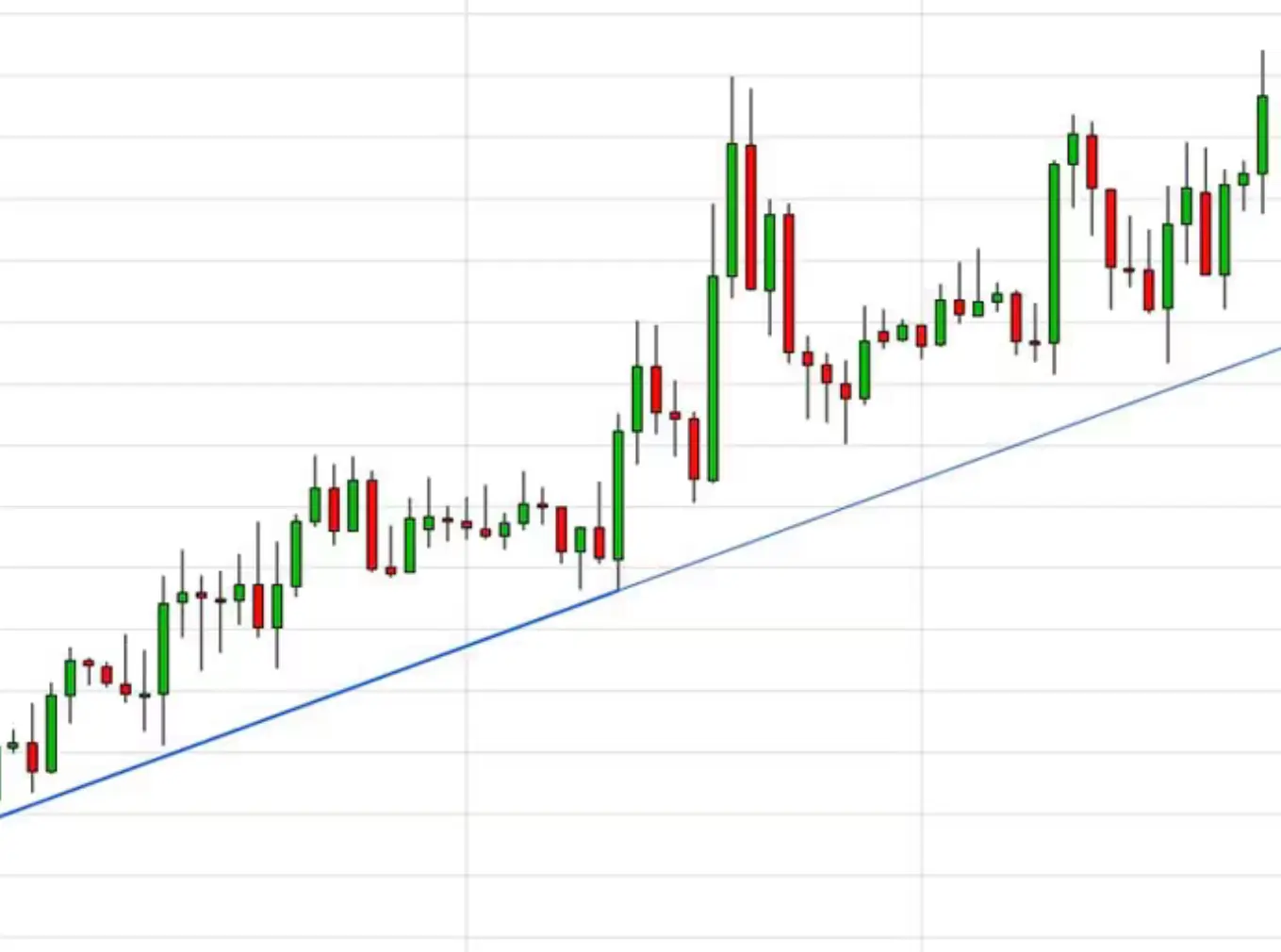
Discover a straightforward strategy to invest in U.S. stocks when prices dip, maximize returns, and manage risk in volatile markets.
Investing in the stock market can feel daunting, especially during periods of volatility. Yet, historically, market downturns often present the best opportunities for long-term gains. Many U.S. investors overlook a straightforward principle: buying undervalued stocks can significantly enhance portfolio performance over time. In this article, we break down a simple strategy to capitalize on dips in the market, adapted for the U.S. context.
Key Insights
- Buying undervalued U.S. stocks during market dips can enhance long-term returns.
- Key financial metrics help identify genuine undervaluation.
- Dollar-Cost Averaging reduces risk while investing in volatile markets.
- Historical examples show the effectiveness of buying during downturns.
- Understand the risks and avoid value traps with careful analysis.
- Practical steps guide U.S. investors to implement this strategy effectively.
Understanding Undervalued Stocks in the U.S. Market
Undervalued stocks are those trading below their intrinsic value based on earnings, growth potential, or assets. In the U.S., investors typically evaluate Price-to-Earnings (P/E) ratios, Price-to-Book (P/B) ratios, Free Cash Flow (FCF), and dividend sustainability.
For instance, a tech company experiencing temporary earnings setbacks may see its stock price fall. Investors who focus on fundamentals rather than short-term fluctuations often find buying opportunities during these periods.
Why Market Dips Are Opportunities, Not Threats
Historically, U.S. markets recover from downturns. Data from the S&P 500 shows that even after significant corrections, the index consistently returns to growth over the following years. Buying during dips allows investors to acquire shares at discounted prices, potentially boosting long-term gains.
During the COVID-19 market crash in 2020, companies like Microsoft and Apple experienced sharp declines but rebounded strongly, rewarding investors who bought at the lows.
Key Metrics to Identify Undervalued Stocks
- P/E Ratio: Stocks trading below their sector average may indicate undervaluation.
- P/B Ratio: Lower ratios often signal hidden value, particularly in financial and industrial sectors.
- Dividend Yield: Sustainable higher yields can indicate undervaluation.
- Debt-to-Equity Ratio: Ensures companies are financially healthy before investing.
Combining multiple metrics provides a more reliable assessment of undervaluation than relying on a single indicator.
Timing Your Investments in the U.S. Market
Perfect market timing is nearly impossible, but techniques like Dollar-Cost Averaging (DCA) reduce risk. By investing a fixed amount regularly, investors purchase more shares when prices are low and fewer when prices rise, smoothing out volatility.
Investors who applied DCA during the 2008–2009 financial crisis accumulated shares of Johnson & Johnson and Procter & Gamble at discounted prices, benefiting during the market recovery.
Risks and Considerations
- Value Traps: Not all low-priced stocks recover; some decline due to structural issues.
- Market Timing Risk: Buying too early may expose investors to further short-term losses.
- Diversification: Overconcentration in undervalued stocks increases portfolio risk.
Focusing on companies with strong fundamentals, proven profitability, and competitive advantages while diversifying across sectors can help mitigate these risks.
Practical Steps for U.S. Investors
- Screen for Undervalued Stocks: Use tools like Yahoo Finance, Morningstar, or Seeking Alpha to find potential candidates.
- Analyze Fundamentals: Evaluate P/E, P/B, FCF, debt ratios, and dividend sustainability.
- Monitor Market Conditions: Track U.S. economic indicators—GDP growth, unemployment, inflation trends, and Federal Reserve policies—to assess the investment climate.
- Apply Dollar-Cost Averaging: Regular investments during dips reduce timing risk and accumulate shares over time.
- Set Target Prices and Exit Strategies: Determine buy-in and exit points to stay disciplined and avoid emotional decisions.
- Review Portfolio Regularly: Adjust holdings based on market conditions and company performance.
U.S.-Specific Examples of Successful Undervaluation Strategy
- Apple Inc. (AAPL): After the 2020 pandemic crash, Apple’s stock dropped over 30%. Investors who bought during the dip saw remarkable gains as the company’s fundamentals remained strong.
- Johnson & Johnson (JNJ): Healthcare stability and strong cash flow allowed J&J shares to rebound quickly after market downturns, rewarding disciplined investors.
- Coca-Cola (KO): Historically, KO has maintained dividends and steady growth, making temporary market dips ideal buying opportunities.
Pros and Cons of This Strategy
Pros:
- Opportunity to buy high-quality stocks at discounted prices.
- Potential for significant long-term gains.
- Reduces emotional decision-making when combined with structured approaches like DCA.
Cons:
- Requires patience; recovery may take months or years.
- Value traps may lead to capital loss.
- Success depends on careful research and discipline.
Key Takeaways for U.S. Investors
Investing in undervalued U.S. stocks during market dips is a strategy that balances risk with potential reward. Understanding the fundamentals of companies, using metrics like P/E and P/B ratios, and applying disciplined approaches such as Dollar-Cost Averaging can help investors capitalize on market volatility.
It’s essential to remember that not every dip presents a buying opportunity. Focus on financially strong companies with long-term growth potential and avoid stocks declining due to structural issues. Patience, research, and discipline are the cornerstones of successfully implementing this strategy. Even small, consistent investments can accumulate significant wealth over time, making undervaluation a powerful tool for U.S. investors.
Disclaimer: The information in this article is for educational and informational purposes only and does not constitute financial advice. Always consult a qualified financial advisor before making investment decisions. Past performance is not indicative of future results, and all investments carry risk. TheMarketCapitalist.com assumes no responsibility for losses resulting from the use of this information.


