
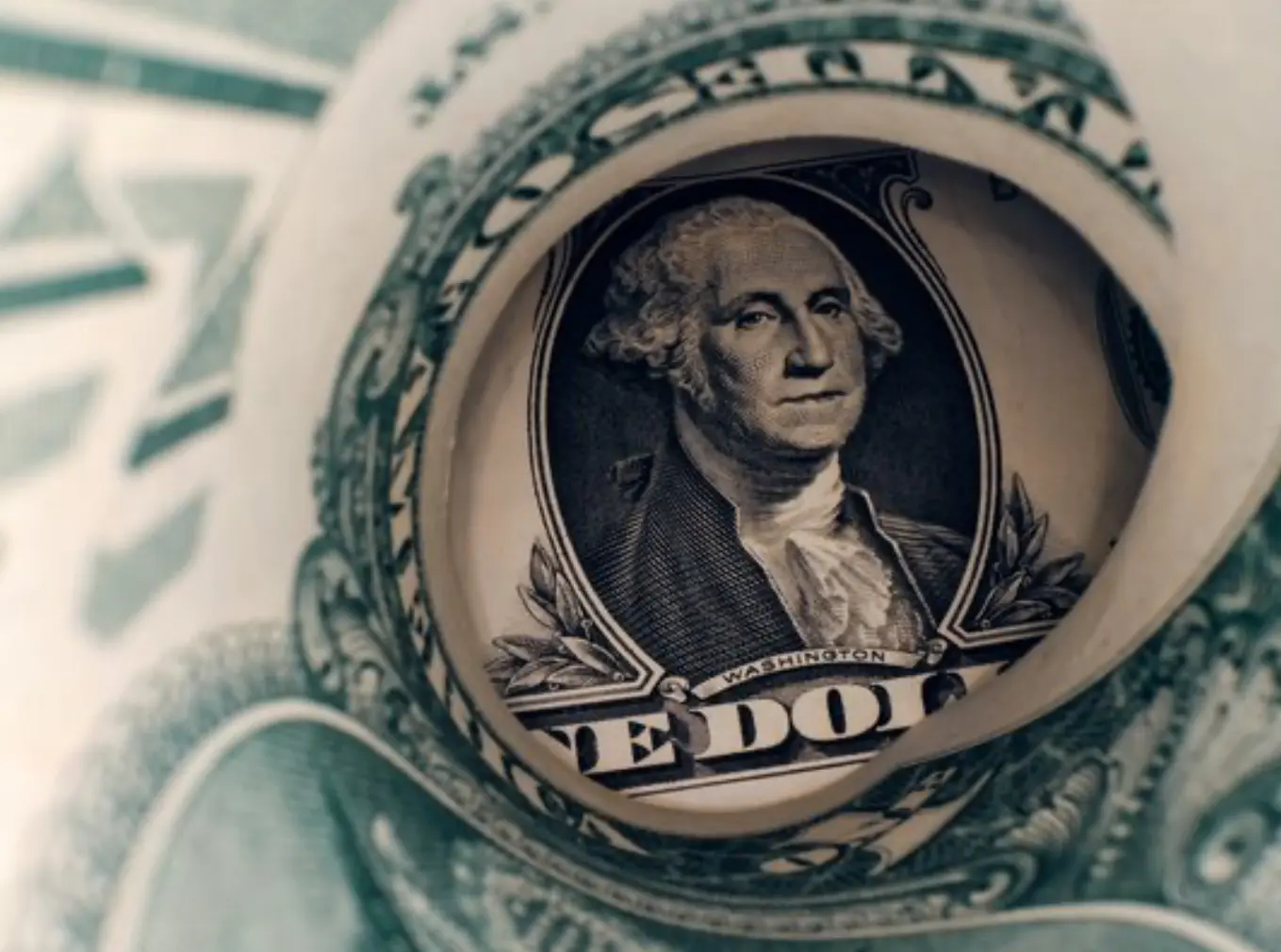
U.S. investors face potential dollar weakness amid rising debt and global shifts. Here’s what could happen to the economy and your portfolio.
For decades, the U.S. dollar has been the undisputed global reserve currency, underpinning international trade, finance, and investment. Its stability has provided American investors a safe harbor during crises and a powerful tool for global influence. But today, economists and market analysts are asking a provocative question: could the dollar finally lose its grip?
Rising U.S. debt, persistent inflation, and shifting geopolitical alliances are creating conditions that challenge the dollar’s long-term supremacy. For U.S. investors, this could have profound implications for portfolios, interest rates, and purchasing power.
This article explores the factors that could weaken the dollar, the potential consequences for U.S. markets, and strategies investors can use to navigate a possible shift.
Key Insights
- U.S. debt levels are approaching historic highs, putting pressure on the dollar.
- Inflation and Federal Reserve policy may erode real purchasing power.
- Global diversification trends could reduce reliance on the dollar.
- Rising interest rates abroad make foreign assets more attractive.
- Portfolio strategies may need adjustment to hedge against currency risk.
Understanding the Dollar’s Dominance
The U.S. dollar became the world’s dominant currency after World War II, cemented by the Bretton Woods system. Today, it remains the primary currency for global trade, energy pricing, and foreign reserves. Approximately 60% of global central bank reserves are held in dollars, and nearly 90% of international transactions involve the currency.
Why this matters for U.S. investors: A strong dollar reduces import costs, lowers inflationary pressure, and supports foreign investment in U.S. assets. Conversely, any weakening could affect bond yields, equity returns, and the cost of goods for American consumers.
Factors Threatening the Dollar
1. Rising U.S. Debt
The United States has seen federal debt surge past $35 trillion, approaching nearly 130% of GDP. High debt levels increase the risk of inflation, higher interest rates, and reduced confidence in the dollar. International investors may demand higher yields or diversify away from dollar-denominated assets if they perceive fiscal instability.
2. Inflation and Real Purchasing Power
Persistent inflation erodes the real value of currency. While the Federal Reserve has taken aggressive measures in recent years, the U.S. still faces elevated consumer prices for housing, energy, and food. If inflation outpaces interest rates, the dollar may weaken as purchasing power diminishes.
3. Global Currency Diversification
Countries such as China, India, and members of the European Union are gradually reducing dollar dependency in trade settlements and reserves. For instance, China has promoted the use of the yuan for international trade, and digital currencies like central bank digital currencies (CBDCs) could further fragment the dollar’s dominance.
4. Rising Foreign Yields
As central banks in Europe and Asia raise interest rates to combat their own inflation, U.S. investors may find foreign bonds and deposits more attractive. Capital flows moving abroad could create downward pressure on the dollar relative to other major currencies.
Potential Impact on U.S. Investors
Equity Markets
A weaker dollar can benefit multinational U.S. companies that earn revenue overseas, as foreign profits translate into more dollars. However, domestic-focused companies may face higher input costs for imported materials, squeezing margins.
Bonds and Interest Rates
Dollar depreciation could lead to rising Treasury yields as investors demand higher returns to compensate for currency risk. Fixed-income investors may need to consider hedging strategies or diversifying into foreign bonds.
Commodities
Dollar weakness generally drives commodity prices higher, as raw materials like oil and gold are priced in dollars. U.S. consumers may experience higher fuel and commodity costs, impacting disposable income and consumption patterns.
Strategies for Hedging Dollar Risk
- Diversify Internationally – Invest in foreign equities or bonds denominated in other currencies.
- Consider Gold and Other Safe Havens – Precious metals often gain value when the dollar falls.
- Currency-Hedged Funds – Use mutual funds or ETFs designed to offset foreign exchange risk.
- Review Debt and Expenses – Lock in interest rates where possible and consider currency exposure in import-dependent businesses.
Case Study: Dollar Shifts and Portfolio Performance
During the 2008 financial crisis, the dollar initially strengthened as a safe-haven asset. However, aggressive monetary expansion and growing deficits later weakened it against major currencies. Investors who diversified into European equities, emerging markets, and commodities were better positioned to weather dollar volatility.
Takeaway for U.S. investors in 2025: History suggests that reliance on a single currency can expose portfolios to unnecessary risk. Proactive diversification remains a key strategy.
Risks and Considerations
- Geopolitical events can suddenly shift currency flows.
- Federal Reserve interventions may temporarily stabilize the dollar but could exacerbate long-term imbalances.
- Speculative markets can amplify swings in short periods, impacting portfolios more than fundamentals.
Frequently Asked Questions (FAQs)
Q: Could the dollar completely lose its reserve currency status?
A: While unlikely in the near term, gradual diversification by other nations could reduce its dominance over decades.
Q: How can I protect my portfolio against dollar weakness?
A: Diversifying internationally, using currency-hedged instruments, and holding commodities like gold are common strategies.
Q: Will a weaker dollar affect U.S. inflation?
A: Yes. Imported goods become more expensive, potentially increasing consumer prices.
Q: Does a strong dollar benefit U.S. companies?
A: Multinational companies may see lower revenue when foreign earnings convert to fewer dollars, but domestic importers benefit from cheaper materials.
Q: Are digital currencies a threat to the dollar?
A: Central bank digital currencies and private stablecoins could gradually reduce reliance on the U.S. dollar for cross-border transactions.
Conclusion
The U.S. dollar’s dominance is not guaranteed indefinitely. Rising debt, inflationary pressures, and a shifting global financial landscape could challenge its status as the world’s reserve currency. For U.S. investors, the key is awareness and preparation: diversifying holdings, hedging currency exposure, and monitoring global economic indicators.
While the dollar may not collapse overnight, prudence today can prevent significant losses tomorrow. Understanding the risks and opportunities allows investors to position themselves effectively, whether the dollar remains strong or faces a prolonged decline.
Disclaimer: The information in this article is for educational and informational purposes only and does not constitute financial advice. Always consult a qualified financial advisor before making investment decisions. Past performance is not indicative of future results, and all investments carry risk. TheMarketCapitalist.com assumes no responsibility for losses resulting from use of this information.


