
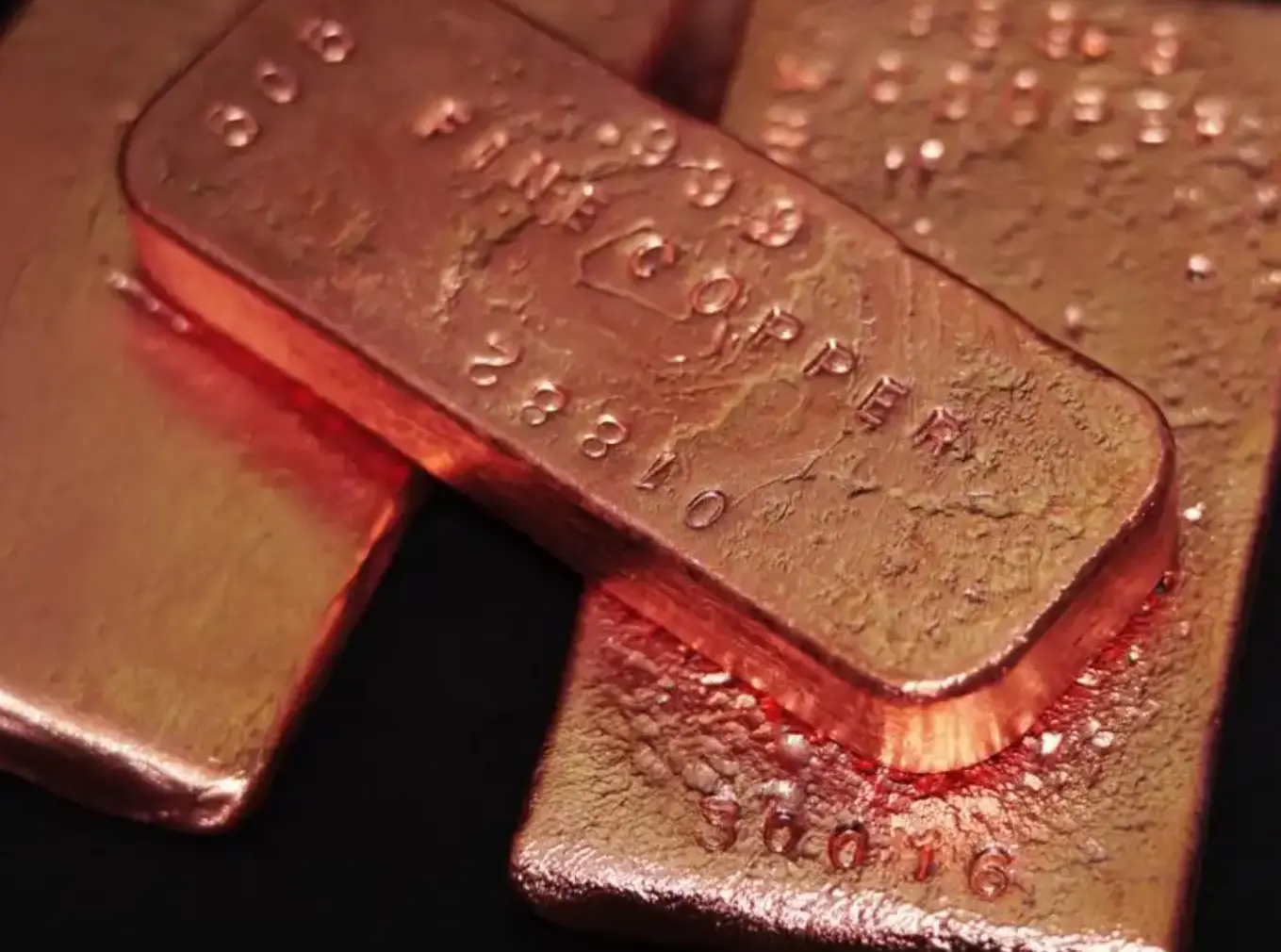
Copper is often called “the metal of the future.” From electric vehicles to renewable energy infrastructure, it powers nearly every modern technology. But as prices fluctuate between supply shortages and slowing global demand, U.S. investors are asking the key question: is copper still a good investment in 2025?
This analysis explores fundamentals, long-term demand drivers, and practical ways to invest safely in the copper market.
Key Takeaways
- Copper demand will rise over 50% by 2040 due to electrification and green energy.
- Current prices near $4.00 per pound remain below 2022 highs but above historical averages.
- Supply constraints and mine delays could trigger future shortages.
- Investing via ETFs, futures, or mining stocks offers different risk levels.
- Ideal for investors seeking diversification and real asset exposure.
Copper’s Strategic Role in the Global Economy
Copper is essential for electricity transmission, motors, batteries, and renewable infrastructure. Each electric vehicle contains three to four times more copper than a combustion car.
According to the International Energy Agency (IEA), the global energy transition will require double today’s copper output by 2040. Yet new mining projects take over 7–10 years to come online, creating a structural supply gap.
This supply-demand imbalance could support long-term price growth even if short-term volatility persists.
Copper Price Trends in 2025
Copper currently trades near $4.00–$4.10/lb on the COMEX, down from the 2022 peak of $4.90/lb. Prices fell due to slower Chinese demand and temporary oversupply, but analysts expect a rebound as global manufacturing stabilizes.
| Year | Average Price ($/lb) | Key Driver |
|---|---|---|
| 2020 | 2.80 | Pandemic slowdown |
| 2021 | 4.20 | Supply shortages |
| 2022 | 4.90 | EV demand surge |
| 2023 | 3.70 | China slowdown |
| 2024 | 3.90 | Inventory buildup |
| 2025* | 4.10 (est.) | Rebound in industrial output |
Source: U.S. Geological Survey (USGS), IEA projections, 2025 estimates.
What’s Driving Copper Demand
- Electric Vehicles (EVs): Each EV uses 80–100 kg of copper in wiring and batteries.
- Renewable Energy: Wind turbines and solar farms require miles of copper cables.
- Data Centers and AI Infrastructure: Massive cooling and power systems rely on copper.
- Grid Modernization: The U.S. power grid upgrade (per the Department of Energy) will need billions of pounds of copper over the next decade.
“Copper is the backbone of electrification—and the next critical commodity supercycle.” — Goldman Sachs Global Commodities Report 2025
Supply Constraints
New production is limited by environmental restrictions and political risk in key producer countries (Chile, Peru, Congo).
The World Bank’s Metals Outlook warns that if current projects stall, supply may lag demand by 5 million tons annually by 2035—a shortfall that could push prices toward $5.50/lb in coming years.
Mining stocks with strong balance sheets are positioned to benefit most from this dynamic.
How to Invest in Copper
1. Copper ETFs
Simplest way for U.S. investors to gain exposure.
- United States Copper Index Fund (CPER): Tracks copper futures; moderate risk.
- Global X Copper Miners ETF (COPX): Invests in global mining companies; higher volatility.
2. Mining Stocks
Direct exposure to producers such as:
- Freeport-McMoRan (FCX) – Leading U.S. copper miner.
- Southern Copper (SCCO) – High dividend yield, strong margins.
- BHP Group (BHP) – Diversified exposure to copper and iron ore.
These stocks benefit from rising copper prices but face operational and geopolitical risk.
3. Copper Futures
Available on the COMEX. Suited for experienced investors seeking leverage. Futures provide liquidity but also carry margin call risk.
4. Commodity Funds
Balanced exposure through commodity mutual funds or diversified ETFs like the Invesco DB Commodity Index Tracking Fund (DBC).
Copper vs. Other Commodities
| Commodity | 2025 Avg. Yield (Est.) | Volatility | Long-Term Demand Driver |
|---|---|---|---|
| Copper | 4.10/lb | Moderate | Electrification |
| Gold | 2,400/oz | Low | Inflation hedge |
| Silver | 29/oz | High | Industrial use |
| Oil (WTI) | 82/barrel | High | Energy transition pressure |
Copper sits between growth and stability—less volatile than oil but more cyclical than gold.
Inflation and Copper
Copper prices typically rise during inflationary periods because it’s a real asset. Investors use it to hedge currency devaluation and cost increases.
With the Federal Reserve expected to cut rates in 2026, a weaker dollar could further support copper prices.
Example Portfolio Allocation
| Asset Type | Allocation | Purpose |
|---|---|---|
| Copper ETFs | 5% | Commodity exposure |
| Mining Stocks | 5% | Growth and dividend potential |
| Treasury Bonds | 30% | Stability |
| Equities (U.S. Index) | 50% | Core growth |
| Gold / Silver | 10% | Inflation hedge |
A 10% allocation to real assets (copper, gold, silver) helps balance inflation risk without overexposure.
Risks to Watch
- Global recession: Reduced industrial demand could suppress prices temporarily.
- Mining disruptions: Strikes or political instability may increase costs.
- Technological substitution: New materials could partially replace copper use.
- Speculative volatility: Commodity futures often overreact to short-term headlines.
These risks make disciplined position sizing essential.
Long-Term Outlook
The IEA projects copper demand will grow 3–4% annually through 2040. Supply lags mean that even conservative investors could benefit from price appreciation and diversification.
Analysts at Bank of America expect prices to test $5.20/lb by 2027, driven by electric vehicles and clean-energy investment.
In short: copper remains one of the few industrial commodities with sustainable long-term demand visibility.
FAQ
Is copper a good inflation hedge?
Yes. It performs well when real assets gain value due to rising prices or infrastructure spending.
What’s the best way to invest for beginners?
Start with ETFs like CPER or COPX for diversified exposure.
Are copper futures risky?
Yes. Futures involve leverage and are suitable only for experienced traders.
Does copper pay dividends?
Only indirectly through mining stocks like SCCO or BHP, which distribute earnings.
Can copper prices fall even with high demand?
Yes, due to temporary macroeconomic slowdowns or speculative corrections.
Conclusion
Copper remains one of the most compelling real-asset investments of the decade. Short-term price swings aside, long-term fundamentals—electrification, renewable infrastructure, and supply constraints—support a strong growth trajectory.
For investors seeking tangible exposure beyond equities and bonds, a disciplined allocation to copper offers both diversification and inflation protection in a changing economic cycle.
Related reading on TheMarketCapitalist.com
- How to Build a Real Asset Portfolio in 2025
- Gold vs. Copper: Which Metal Performs Better During Inflation?
- Understanding Commodity Supercycles and How to Invest
External references:
- International Energy Agency – The Role of Critical Minerals
- U.S. Geological Survey – Mineral Commodity Summaries
- World Bank – Commodity Markets Outlook
Disclaimer:
The information contained in this article is provided for educational and informational purposes only and does not constitute financial, investment, or other advice. Before making any investment decisions, readers should consult a qualified financial advisor. Past performance is not indicative of future results, and all investments carry risk. TheMarketCapitalist.com is not responsible for any losses resulting from the use of the information provided.


