
AI data centers are surging U.S. power demand in 2026, creating huge opportunities in chips, utilities, and infrastructure. Learn how targeted ETFs give investors diversified exposure to this physical AI boom.
Artificial intelligence isn’t just code and algorithms anymore—it’s a massive physical infrastructure story powering data centers, advanced chips, and energy grids across America. As hyperscalers like Amazon, Microsoft, and Google race to build out AI capabilities, electricity consumption from these facilities is skyrocketing, projected to rival entire states’ usage by the end of the decade. For U.S. investors, this creates a compelling opportunity to tap into the “picks and shovels” of AI through ETFs focused on semiconductors, utilities, data center REITs, and grid infrastructure.
Key Takeaways
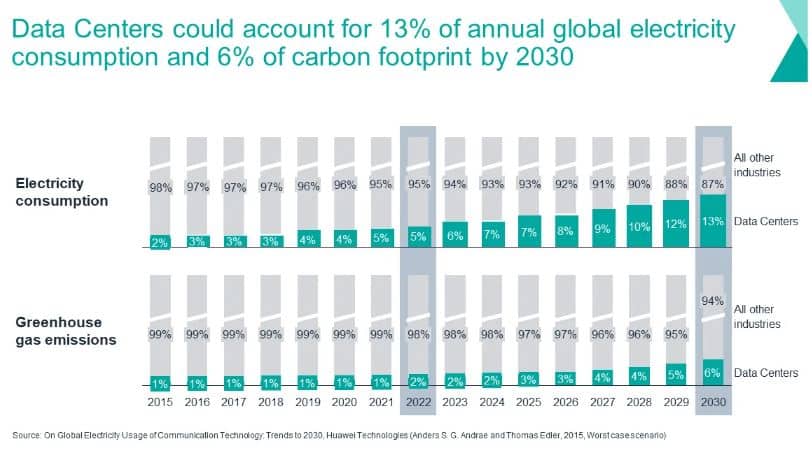
- AI data centers could consume as much as 10% of U.S. electricity by 2030, driving demand for power generation and transmission upgrades.
- The AI value chain extends beyond big tech to include chipmakers, utilities, cooling tech, and real estate operators.
- Thematic ETFs offer diversified exposure without betting on single stocks, balancing high-growth semis with stable infrastructure plays.
- Utilities and renewable energy firms stand to benefit from long-term power contracts with data center operators.
- Investors should watch for volatility from high valuations and regulatory risks around energy use and grid capacity.
- Allocate these ETFs as 5-10% portfolio satellites around a core of broad indexes for balanced growth potential.
Why AI’s Energy Hunger Matters Now
The rise of generative AI models like those powering ChatGPT successors and enterprise tools requires enormous computational power. Training a single large language model can consume energy equivalent to hundreds of U.S. households over months, while real-time inference for millions of users adds constant load. In 2026, U.S. data center power demand is growing faster than any other sector, straining grids from Virginia to Texas.
This isn’t abstract—it’s a capital-intensive buildout. Companies are spending tens of billions on new facilities, each needing 100+ megawatts of reliable power, advanced cooling, and fiber connectivity. For investors, the key insight is that AI success depends on solving these physical bottlenecks, creating tailwinds for an entire ecosystem.
Breaking Down the AI Power Value Chain
Think of AI infrastructure as a chain with distinct links, each offering investment angles:
Semiconductors and Compute Hardware
High-end GPUs and AI accelerators from leaders like NVIDIA dominate here. Demand surges as operators pack more chips per rack for efficient training.
Data Center Operators and REITs
Firms like Equinix and Digital Realty own the buildings, securing power deals and leasing space to cloud giants. Their triple-net leases provide stable cash flows.
Power Generation and Utilities
Traditional utilities (e.g., NextEra Energy) and independent producers sign long-term PPAs with hyperscalers. Nuclear restarts and natural gas peakers fill gaps where renewables fall short.
Transmission and Grid Tech
Upgrades to high-voltage lines and substations are critical. Companies specializing in transformers and smart grid software benefit from federal infrastructure funding.
Cooling and Efficiency Plays
Liquid cooling and waste heat recovery tech reduce energy needs by up to 40%, a growing focus amid environmental scrutiny.
ETFs bundle these segments, reducing the risk of picking winners in a fast-evolving space.
Top ETF Strategies for U.S. Investors
ETFs make this complex theme accessible via brokerage accounts like Vanguard, Fidelity, or Schwab. Here are proven approaches:
Broad AI Infrastructure ETFs
Funds tracking indexes of 50-100 companies across semis, data centers, and utilities. Expense ratios hover around 0.35-0.60%, with holdings diversified across market caps.
Semiconductor-Focused Funds
Heavy on chip designers and foundries, these capture AI’s “brain” but carry higher volatility. Ideal for growth-oriented portfolios.
Utility and Clean Energy ETFs
More defensive, focusing on power producers with AI exposure. Dividend yields of 3-4% appeal to income seekers.
Data Center REIT ETFs
Real estate investment trusts owning mission-critical facilities. Low correlation to broader markets, with rents escalating 3% annually.
Compare via this table:
| ETF Type | Key Holdings Example | Expense Ratio | 1-Year Return (2025) | Volatility |
|---|---|---|---|---|
| AI Infrastructure | Semis (40%), Utilities (25%), Data Centers (20%) | 0.45% | +28% | High |
| Semiconductors | NVIDIA, AMD, TSM | 0.35% | +42% | Very High |
| Utilities | NextEra, Southern Co. | 0.40% | +18% | Medium |
| Data Center REITs | Equinix, Digital Realty | 0.50% | +22% | Medium |
Past performance isn’t future results, but patterns show infrastructure lagging semis in down markets.
Real-World U.S. Examples Driving Demand
Northern Virginia (Data Center Alley): Over 70% of eastern U.S. internet traffic flows through here. Dominion Energy reports AI loads pushing substation demand 50% above forecasts.
Texas ERCOT Grid: Hyperscalers like Google build merchant plants, co-locating data centers with gas-fired generation to bypass transmission constraints.
Federal Incentives: The Inflation Reduction Act provides tax credits for nuclear and clean firm power, directly benefiting utilities serving AI hubs.
These cases illustrate why location matters—proximity to cheap power and fiber gives operators an edge.
Risks Every Investor Must Weigh
No trend is risk-free. AI energy demand carries:
- Concentration Risk: Top 5 holdings often exceed 50% of ETF weight.
- Valuation Premiums: Forward P/E ratios above 30x invite corrections.
- Regulatory Headwinds: States like California mandate carbon offsets for new data centers.
- Efficiency Gains: Next-gen chips could cut power needs 30% per computation.
- Economic Sensitivity: Recession hits capex first.
“All investments involve risk, including loss of principal. High-growth sectors can experience sharp declines.” – SEC Investor.gov guidance.
Balance by pairing with bonds or broad S&P 500 ETFs.
How to Build This Into Your Portfolio
Start with goals and horizon. Retirement savers might tilt toward utilities; younger investors can handle semi-heavy funds.
Sample Allocation (Aggressive Growth Portfolio):
- 60% S&P 500 ETF
- 20% Total Bond Market
- 10% AI Infrastructure ETF
- 5% Semiconductor ETF
- 5% Utility ETF
Rebalance annually. Use tax-advantaged accounts like Roth IRAs to minimize drag.
For internal guidance, see our Beginner’s Guide to Thematic ETFs and 2026 Utility Sector Outlook.
Tax and Cost Considerations
ETFs trade tax-efficiently, with low turnover minimizing capital gains. Watch expense ratios—a 0.5% fee compounds to thousands over decades.
External resources: Visit FINRA’s ETF Overview or Federal Energy Regulatory Commission data for grid insights.
Choosing the Right Broker and Timing
Platforms like Vanguard offer commission-free trading. Dollar-cost average monthly to smooth volatility—ideal for themes like AI where news drives swings.
Avoid chasing peaks; 2026 dips from rate hikes or AI hype fatigue create entry points.
2026 Outlook: Sustained but Uneven Growth
Projections show U.S. data center capacity doubling by 2030, with AI claiming half the new load. Utilities forecast 15% annual demand growth through 2028.
We believe patient investors allocating modestly to diversified ETFs will capture upside while mitigating blowups. Next steps:
- Review your risk tolerance with a fiduciary advisor.
- Screen 3-5 ETFs using Morningstar or ETF.com.
- Start small—test with $5,000 in a satellite position.
- Track quarterly via brokerage tools.
The AI energy boom rewards those playing the full stack, not just headlines.
Disclaimer: The information contained in this article is provided for educational and informational purposes only and does not constitute financial, investment, or other advice. Before making any investment decisions, readers should consult a qualified financial advisor. Past performance is not indicative of future results, and all investments carry risk. TheMarketCapitalist.com is not responsible for any losses resulting from the use of the information provided.


