
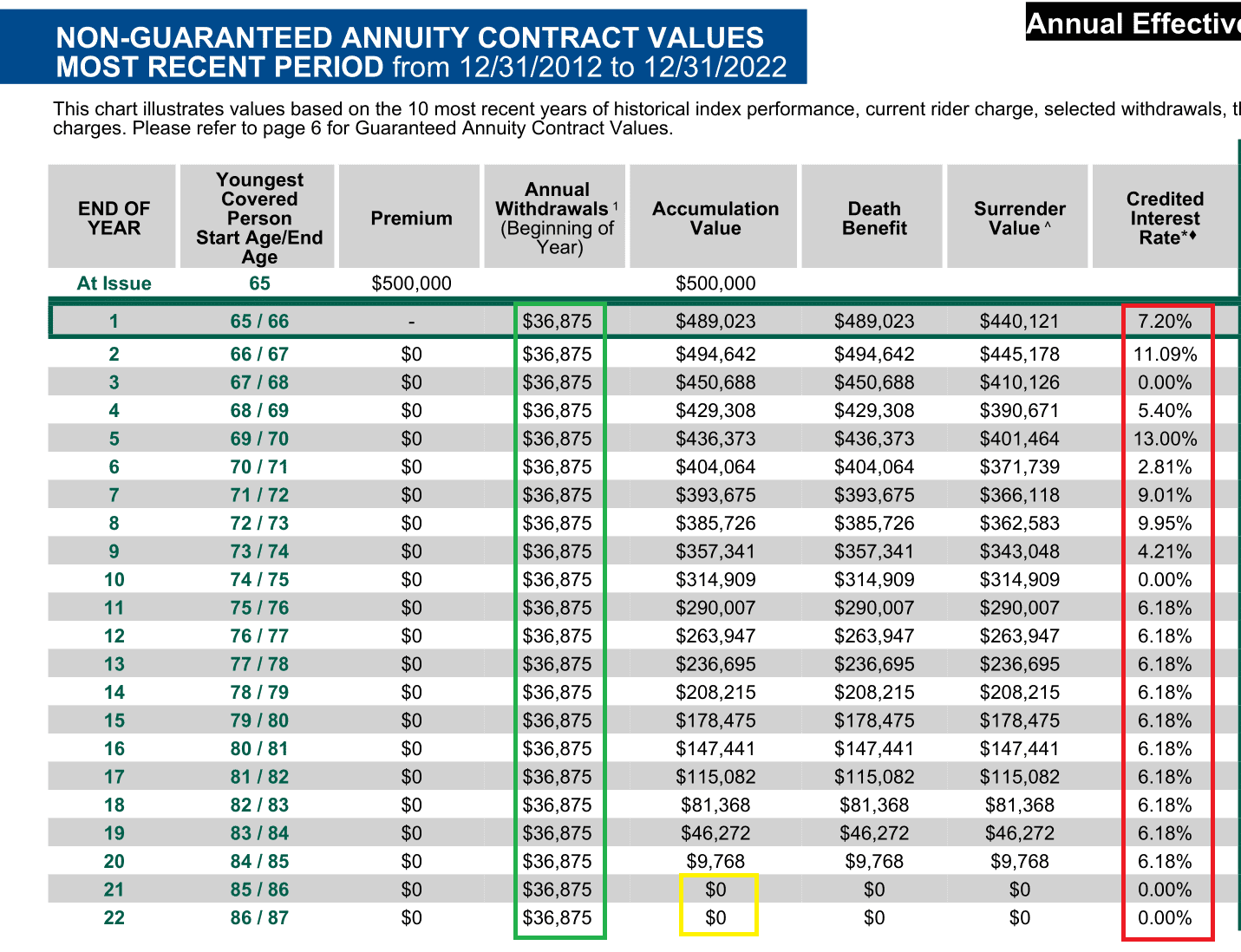
In 2026, with Americans living longer and markets more volatile than ever, determining your safe withdrawal rate—the percentage of your nest egg you can spend yearly without depleting principal—is crucial for retirement planning. The classic 4% rule faces scrutiny amid higher inflation, low bond yields, and sequence-of-returns risks, prompting retirees to rethink strategies like dynamic spending or portfolio tweaks.
Key Takeaways
- The 4% rule remains a solid benchmark for 30-year retirements, yielding $40,000/year from $1 million sustainably 90%+ of the time.
- Adjust to 3.5-3.7% for conservative plans or 35+ year horizons amid 2026’s 2.5% inflation.
- Stock/bond mix matters: 60/40 portfolios support higher withdrawals than bond-heavy ones.
- Factor Social Security timing, taxes, and healthcare costs to personalize your rate.
- Use guardrails like reducing spending 10% in down years to boost success odds to 99%.
- Test scenarios with free tools before locking in your budget.
What Is Safe Withdrawal Rate and Why Update It Now?
Your safe withdrawal rate (SWR) is the annual spending amount, adjusted for inflation each year, that preserves your portfolio’s longevity with high probability. Originating from the Trinity Study (1998), the 4% rule assumed a 30-year retirement starting with 50-75% stocks.

In 2026, updates from Morningstar and FIRECalc incorporate:
- Lower bond yields post-2022 hikes
- Persistent 2-3% inflation
- Longer lifespans (average retiree hits 90+)
- Sequence risk from early market crashes
Result: Slightly lower SWRs, but still viable with flexibility.
Historical Performance of Popular Rules
Backtests over 100+ years show:
| Rule | Initial Rate | Portfolio | 30-Year Success Rate | 40-Year Success Rate |
|---|---|---|---|---|
| 4% (Trinity) | 4% | 50/50 stocks/bonds | 95% | 85% |
| 3.5% Conservative | 3.5% | 60/40 | 99% | 95% |
| Guyton-Klinger Guardrails | 5% start | 75/25 | 98% | 92% |
| Dynamic (10% rule) | 4-5% | Variable | 99% | 97% |
Data from rolling historical periods ending 2025. Success = portfolio lasts full term.
A $1M portfolio at 3.5% allows $35,000 Year 1, rising with CPI.
Factors Influencing Your Personal SWR
No one-size-fits-all—calibrate based on:
Portfolio Size and Allocation
Larger nests support higher rates due to fixed costs. 60/40 stocks/bonds beats 100% bonds (SWR ~2.5%).
Retirement Length
Plan for 35-40 years if retiring at 65. Early retirees (FIRE) need 3-3.3%.
Inflation and Yields
2026 CPI ~2.5%; 10-year Treasury 4.2% boosts fixed-income returns.
Other Income
Social Security (average $1,900/month) reduces portfolio reliance by 20-30%.
Spending Flexibility
Variable expenses (travel) allow higher initial rates vs. fixed (mortgage).
Taxes and Fees
Roth withdrawals are tax-free; 0.2% advisor fees shave 0.5% off SWR.
The 4% Rule in 2026: Still Relevant?
Yes, but refined. Morningstar’s 2025 update pegs 3.7% for 90% success over 30 years with 50/50 mix. Why the dip?
- Bond returns averaged 3% vs. historical 5%
- Early-retirement sequence risk amplified by 2022 bear market
Yet, with stocks at 7% real returns long-term, it endures. For $1M:
- Year 1: $37,000
- Year 10 (3% inflation): $49,800
- Survival odds: 92%
Compare to our 60/40 Portfolio Guide.
Advanced Strategies to Boost Your SWR
Guardrail Rules (Guyton-Klinger):
- Start at 5%, cut 10% if portfolio drops 20% from peak.
- Increase 10% after 20% recovery.
- Success: 98% over 40 years.
Dynamic Spending:
- Base on prior year’s balance: Spend 5% if up 5%, 3% if down.
- Flexibility adds 0.5-1% to safe rate.
Bucket Strategy:
- Bucket 1 (2-3 years): HYSAs/CDs at 5%.
- Bucket 2 (5-10 years): Treasuries/ladders.
- Bucket 3: Stocks for growth/replenishment.
Rising Equity Glidepath: Shift to more stocks over time as sequence risk fades.
Real-World Scenarios for Americans
Scenario 1: $1.2M nest egg, age 67, married
- SWR: 3.8% = $45,600/Year 1
- + SS $48K combined: Total $93K
- 60/40 portfolio, moderate spending flex.
Scenario 2: $800K, age 62, single early retiree
- SWR: 3.3% = $26,400
- Delay SS to 70 for 32% boost.
- Guardrails essential for 45-year horizon.
Scenario 3: $2M, age 70, healthcare heavy
- SWR: 4.2% = $84,000
- Factor $15K/year Medigap/Medicare premiums.
Test your numbers at Vanguard’s retirement calculator or FIRECalc.
Tax Optimization for Withdrawals
- Roth conversions ladder pre-RMDs.
- Qualified dividends/capital gains taxed lower.
- Locate bonds in tax-deferred, stocks in taxable.
Saves 1%+ on effective rate.
External reading: FINRA Retirement Planning.
Common Mistakes to Avoid
- Ignoring sequence risk: 20% market drop Year 1 forces 25% spending cuts.
- Over-relying on bonds: Yields too low for longevity.
- Static budgeting: Inflation + healthcare rise 4-6%/year.
- Forgetting fees: 1% advisor cut halves SWR over 30 years.
Tools and Resources for 2026 Planning
Free simulators:
- Portfolio Visualizer
- cFIREsim
- Flexible Retirement Planner
Paid: RightCapital or eMoney for advisors.
Long-Term Outlook and Adjustments
With GDP growth ~2%, stocks ~7% nominal, bonds ~4.5%, 3.5-4% SWR holds. Monitor Fed policy and longevity trends.
We recommend starting conservative at 3.5%, using guardrails, and reviewing annually. Next steps:
- Run your scenario in FIRECalc.
- Stress-test with 40-year horizon.
- Consult CFP for Social Security optimization.
- Build 2-year cash bucket now.
Sustainable spending turns savings into lifelong security—plan wisely.
Disclaimer: The information contained in this article is provided for educational and informational purposes only and does not constitute financial, investment, or other advice. Before making any investment decisions, readers should consult a qualified financial advisor. Past performance is not indicative of future results, and all investments carry risk. TheMarketCapitalist.com is not responsible for any losses resulting from the use of the information provided.


