
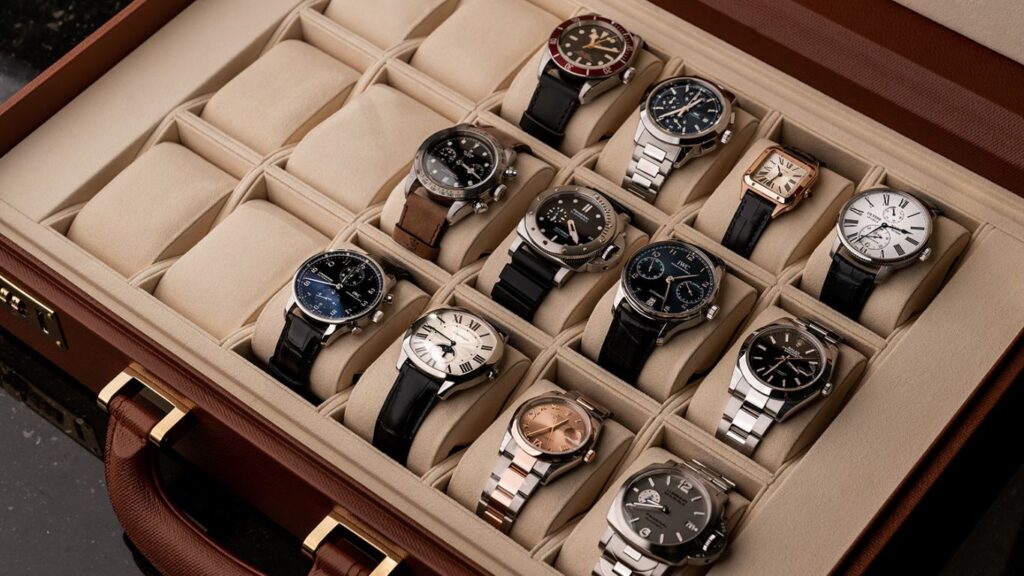
The frenzy is over, and that might be exactly why luxury watches are worth a second look in 2026. After the post-pandemic bubble burst and prices tumbled across secondary markets, speculation has cooled—leaving behind a leaner, more rational market where select timepieces continue to appreciate while others slide into obscurity. For U.S. collectors and investors, the question is no longer whether watches can make money, but which models preserve capital and why.
Key Takeaways
- Rolex Daytona 116500LN gained 15-20% in 2025 despite broader market softness, proving icon status matters.
- Patek Philippe Nautilus 5711 remains the gold standard, with scarcity driving 10-18% annual appreciation.
- Audemars Piguet Royal Oak Jumbo and Cartier Santos Dumont posted 9-15% gains, signaling diversification beyond Rolex.
- Omega Speedmaster Moonwatch offers 8-10% steady growth and high liquidity for risk-averse buyers.
- Avoid hype-driven models, incomplete documentation, and over-polished pieces that lose premium value.
- Treat watches as 5-10% alternative allocation in diversified portfolios, not core holdings.
The 2026 Watch Market: Post-Bubble Reality
From 2020 to early 2022, luxury watch prices soared—fueled by stimulus checks, influencer hype, and closed boutiques. By late 2023, the bubble deflated. Average secondary prices for sports models dropped 20-40%, auction houses reported fewer bidders, and flippers exited en masse.
What remains in 2026 is a selective market. Iconic references with decades of collector pedigree are stabilizing or climbing, while trendy releases from 2021 languish below retail. This winnowing separates true investment-grade pieces from fashion accessories.
For American buyers, this means opportunity—but only with research, patience, and realistic expectations. Watches are illiquid, carry transaction costs, and require years to realize gains.
Why Watches Still Merit Portfolio Space
Despite risks, luxury watches offer attributes rare in financial assets:
Tangible scarcity: Unlike stocks or bonds, watch production is physically limited by manufacture capacity and brand strategy.
Non-correlated returns: Watch values respond to collector sentiment, brand heritage, and supply dynamics—not Fed policy or earnings reports.
Tax efficiency: In the U.S., occasional sales by private individuals may not trigger capital gains if classified as personal property, though professional dealers face different rules. Consult a tax advisor.
Wearability and legacy: A Rolex or Patek can be enjoyed daily and passed to heirs, blending utility with appreciation potential.
Link: Alternative Assets Diversification 2026.
Top Investment-Grade Brands and Models
Patek Philippe Nautilus 5711
The discontinued steel Nautilus is the benchmark. Secondary prices climbed 10-18% in 2025, driven by finite supply and universal recognition. Retail was ~$34,000; secondary now exceeds $110,000-$140,000 for mint examples with full set (box, papers, service history).
Why it works: Patek’s reputation, Gerald Genta design, and scarcity converge. Only risk is speculation if prices reach bubble levels again.
Rolex Daytona 116500LN (White Dial)
The modern Cosmograph Daytona with ceramic bezel gained 15-20% in 2025. Retail ~$15,100; secondary ~$28,000-$32,000. High liquidity, instant brand recognition, and racing heritage make it a blue-chip watch asset.
Caution: Waiting lists remain years-long at authorized dealers, feeding gray market premiums.
Rolex Oyster Perpetual (Turquoise Dial)
Proof that even entry-level Rolex can appreciate. The 41mm OP with teal dial saw 20% CAGRsince 2021, now trading at $12,000-$14,000 versus $6,150 retail. Bright colors and limited production create collector fervor.
Audemars Piguet Royal Oak Jumbo (15202ST)
The 39mm Royal Oak “Jumbo” in steel rose 10-15% in 2025. Prices hover $60,000-$70,000, reflecting its status as the original luxury sports watch (1972). Cleaner, less aggressive than many modern pieces, appealing to mature collectors.
Cartier Santos Dumont
Cartier’s resurgence surprised many. The Santos Dumont (dress watch) climbed 9-11% in 2025, now ~$8,000-$10,000 for steel models. Its Art Deco lines attract buyers beyond traditional sports watch fans, diversifying collector bases.
Omega Speedmaster Professional Moonwatch
The Moonwatch offers 8-10% annual gains with superior liquidity. Retail ~$6,500; secondary ~$7,500-$8,500. NASA history and universal availability make it easy to buy and sell—ideal for conservative watch investors.
Performance Comparison Table
| Brand/Model | 2025 Appreciation | Secondary Price (2026) | Liquidity | Best For |
|---|---|---|---|---|
| Patek Nautilus 5711 | 10-18% | $110K-$140K | High | Ultra-high net worth |
| Rolex Daytona 116500LN | 15-20% | $28K-$32K | Very High | Growth + prestige |
| Rolex OP Turquoise | ~20% | $12K-$14K | High | Entry-level appreciation |
| AP Royal Oak Jumbo | 10-15% | $60K-$70K | Moderate | Connoisseurs |
| Cartier Santos Dumont | 9-11% | $8K-$10K | Moderate | Diversification |
| Omega Speedmaster | 8-10% | $7.5K-$8.5K | Very High | Conservative hold |
Common Mistakes to Avoid
Chasing hype: If a watch is all over Instagram, the upside is priced in.
Overpaying at retail: Buying from flippers at 50% over MSRP kills ROI.
Neglecting condition: Scratches, aftermarket parts, or missing boxes slash resale value by 20-40%.
Ignoring liquidity: Niche models take months to sell; mainstream pieces move in days.
Expecting quick flips: Transaction costs (10-15% for dealer sales, auction fees) and thin buyer pools penalize short holds.
Where and How to Buy
Authorized dealers: Retail prices, but years-long waitlists for Rolex/Patek. Build relationships with ADs via smaller purchases.
Gray market dealers (e.g., Bob’s Watches, DavidSW, Crown & Caliber): Pay premium but get immediate delivery. Verify authenticity and warranty cards.
Auctions (Christie’s, Sotheby’s, Phillips): Rare vintages and estates. Buyer premiums ~25% add significant cost.
Private sales: Best pricing if seller trusted. Use escrow services and independent authentication.
External reading: Hodinkee Market Reports.
Insurance, Storage, and Security
Watches are theft magnets. Insure via specialized carriers like Hodinkee Insurance or Jewelers Mutual for 1-2% annual premium on appraised value. Store in home safes (minimum TL-30 rated) or bank vaults. Never post new acquisitions on social media with geolocation.
Tax and Estate Planning
Consult CPAs familiar with collectibles. IRC Section 408(m) may classify certain watches as collectibles in IRAs, triggering penalties. For estates, appraisals establish fair market value for heirs.
2026 Outlook and Portfolio Strategy
With inflation moderating and equity valuations stretched, alternative assets like watches regain appeal for 0.05-0.1 allocation in portfolios above $1M. Focus on liquid, iconic models from Rolex, Patek, and Omega.
Action plan:
- Research via forums (Rolex Forums, WatchUSeek).
- Buy one proven model with full set.
- Hold minimum 5 years.
- Track via WatchCharts.com.
- Sell through reputable dealers when target met.
Watches aren’t stocks—they reward patience and taste, not timing.
Disclaimer: The information contained in this article is provided for educational and informational purposes only and does not constitute financial, investment, or other advice. Before making any investment decisions, readers should consult a qualified financial advisor. Past performance is not indicative of future results, and all investments carry risk. TheMarketCapitalist.com is not responsible for any losses resulting from the use of the information provided.


