
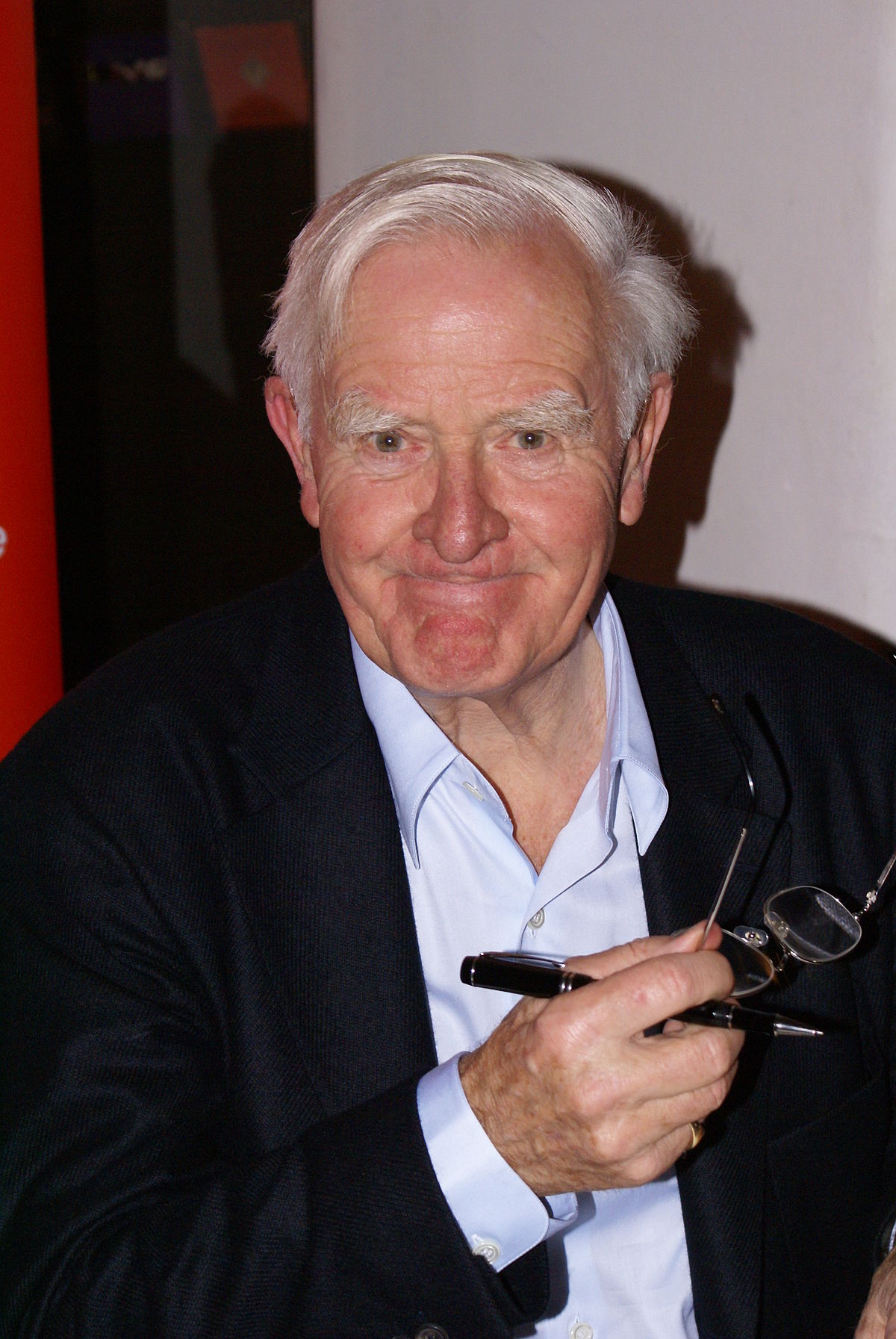
John le Carré, born David John Moore Cornwell, was a prolific British author renowned for his espionage novels that drew heavily from his real-life experiences as a spy. At the time of his death in December 2020, le Carré’s net worth was estimated to be $100 million. This article explores the depth of his career, the sources of his wealth, and the historical context that shaped his legacy.
Early Life and Education
John le Carré was born on October 19, 1931, in Poole, Dorset, England. His early life was significantly influenced by his father, Ronald Cornwell, a charismatic but deceitful man involved in fraudulent activities. Le Carré’s relationship with his father, marked by betrayal and moral ambiguity, profoundly impacted his writing themes.
Le Carré attended Sherborne School, a prestigious boarding school, and later studied German literature at the University of Bern. He completed his education at Lincoln College, Oxford, where he graduated with a first-class degree in modern languages. His academic background provided a solid foundation for his future literary endeavors.
Espionage Career
Before becoming a full-time writer, le Carré worked in intelligence, which deeply informed his later novels. He first served in the British Army’s Intelligence Corps during the 1950s, where he was stationed in Austria. He then joined the Foreign Office and was stationed in Germany, working for MI5 and later MI6. His experiences in the shadowy world of espionage provided the authentic backdrop for his novels, which were characterized by their realism and intricate plots.
Literary Breakthrough and Success
Le Carré’s first novel, “Call for the Dead,” was published in 1961 while he was still working for the Foreign Service. The book introduced the character George Smiley, who would become one of the most iconic figures in spy fiction. However, it was his third novel, “The Spy Who Came in from the Cold” (1963), that catapulted him to international fame. The novel’s stark, unglamorous portrayal of Cold War espionage resonated with readers and critics, establishing le Carré as a master of the genre.
Notable Works and Themes
Le Carré’s novels are known for their complex characters, moral ambiguity, and detailed depictions of the espionage world. His protagonists often contrast sharply with the suave, womanizing image of James Bond, instead portraying spies as weary, flawed, and deeply human individuals. Some of his most notable works include:
“The Spy Who Came in from the Cold” (1963): This novel became an international bestseller and is widely regarded as one of the greatest spy novels ever written.
The Karla Trilogy: This series includes “Tinker Tailor Soldier Spy” (1974), “The Honourable Schoolboy” (1977), and “Smiley’s People” (1979). The trilogy explores the intricate chess game between British intelligence officer George Smiley and his Soviet counterpart, Karla.
“The Constant Gardener” (2001): This novel addresses corporate corruption and was adapted into a successful film.
“The Night Manager” (1993) and “The Little Drummer Girl” (1983): These novels were also adapted into acclaimed television series and films.
Adaptations and Critical Acclaim
Le Carré’s works have been adapted into numerous successful films and TV series, expanding his influence beyond the literary world. Notable adaptations include the 2011 film “Tinker Tailor Soldier Spy,” starring Gary Oldman, and the 2005 film “The Constant Gardener,” starring Ralph Fiennes and Rachel Weisz. These adaptations have garnered critical acclaim and introduced le Carré’s work to a broader audience.
Later Life and Legacy
Even in his later years, John le Carré remained an active and influential figure in literature. His final novels, such as “A Legacy of Spies” (2017) and “Agent Running in the Field” (2019), continued to engage with contemporary political issues and demonstrated his enduring relevance as a writer.
Le Carré’s novels elevated spy fiction to the level of serious literature, earning him widespread recognition and numerous accolades. His writing style, characterized by its elegance, complexity, and moral depth, set a new standard for the genre. He passed away on December 12, 2020, at the age of 89, leaving behind an indelible legacy.
Financial Summary and Wealth
John le Carré’s net worth of $100 million was accumulated through his prolific writing career, with his novels selling millions of copies worldwide. The success of his books, combined with the revenue from film and television adaptations, contributed significantly to his wealth. His literary estate continues to benefit from the ongoing popularity of his works.
Conclusion
John le Carré’s wealth and literary success reflect his profound impact on the world of espionage fiction. From his early experiences in intelligence to his career as a celebrated author, le Carré’s work remains a touchstone in the genre. His novels, characterized by their authenticity, moral complexity, and literary merit, have captivated readers for decades. As we remember John le Carré, his contributions to literature and his exploration of the human condition within the world of espionage continue to resonate, ensuring his legacy endures.


