
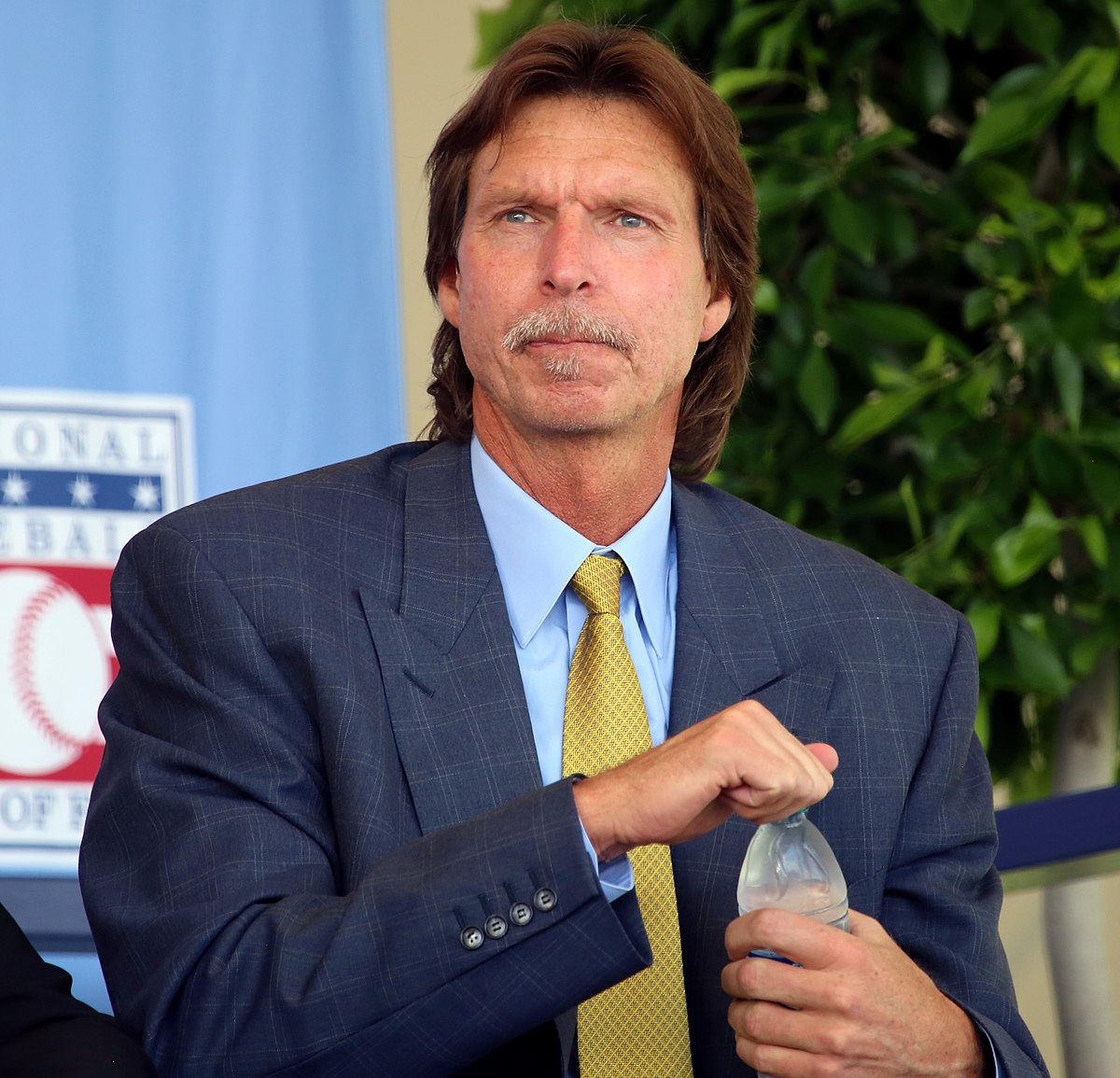
Randy Johnson, also known as “The Big Unit,” is one of the most iconic pitchers in Major League Baseball (MLB) history. His towering presence on the mound, combined with his exceptional pitching skills, has made him a legend in the sport. Johnson’s financial success is as impressive as his athletic achievements. This article explores how much Randy Johnson earns, his overall wealth, and the historical context that underscores his financial journey.
Randy Johnson’s Earnings
Salary from MLB Career
Randy Johnson’s primary source of income during his playing career was his salary as a professional baseball player. Over his 22-season career, Johnson played for several teams, including the Montreal Expos, Seattle Mariners, Houston Astros, Arizona Diamondbacks, New York Yankees, and San Francisco Giants. His impressive earnings reflect his elite status in MLB. At the peak of his career, Johnson signed a four-year, $52.4 million contract with the Arizona Diamondbacks in 1999, which included an average annual value (AAV) of $13.1 million. This contract underscored his value as one of the top pitchers in the league.
Contract Details
Johnson’s financial journey in MLB was marked by several significant contracts. His initial success with the Montreal Expos and subsequent trade to the Seattle Mariners established him as a formidable pitcher. His four-year, $52.4 million deal with the Diamondbacks was followed by a two-year, $32 million extension in 2005. Johnson’s contracts not only rewarded his consistent performance but also highlighted his importance to the teams he played for.
Endorsements and Sponsorships
In addition to his salary, Johnson earned a considerable amount from endorsements and sponsorships. Throughout his career, he partnered with brands such as Nike, Rawlings, and Upper Deck. These endorsements added millions to his annual income and enhanced his brand value and marketability. Johnson’s reputation as a dominant pitcher and his larger-than-life persona made him an attractive figure for brand collaborations.
Other Ventures
Johnson has also ventured into other areas that contribute to his wealth. He has made investments in various business endeavors and real estate, diversifying his income streams. These ventures, coupled with his on-field earnings and endorsements, significantly boost his overall wealth.
Randy Johnson’s Net Worth
As of 2023, Randy Johnson’s net worth is estimated to be around $95 million. This figure includes his earnings from baseball salaries, endorsements, and other investments. Johnson’s wealth accumulation is a testament to his skill, dedication, and the lucrative nature of professional sports, particularly baseball.
Real Estate Investments
Part of Johnson’s wealth is invested in real estate. He owns several properties, including luxurious homes in Arizona and California. Real estate investments are a common strategy among athletes to diversify their portfolios and ensure long-term financial stability. Johnson’s investments in prime locations add substantial value to his overall net worth.
Financial Management and Investments
Johnson has reportedly made wise financial decisions, including investments in various sectors. While specific details about his investment portfolio are not publicly available, it is known that he has engaged financial advisors to help manage his wealth effectively. This prudent approach to financial management has likely contributed to the growth of his net worth over the years.
Historical Context and Career Highlights
Early Career and Rise to Stardom
Randy Johnson’s journey to financial success began with his exceptional talent and dedication to the sport. Born in Walnut Creek, California, Johnson quickly made a name for himself in high school and college baseball. His performance at the University of Southern California caught the attention of MLB scouts, and he was drafted by the Montreal Expos in the second round of the 1985 MLB Draft.
Johnson made his MLB debut in 1988 and quickly established himself as one of the best pitchers in the league. His early success on the mound, including multiple Cy Young Awards and All-Star selections, paved the way for his lucrative contracts and endorsement deals. Johnson’s breakthrough came during his time with the Seattle Mariners, where he became known for his dominant pitching and intimidating presence.
Awards and Achievements
Johnson’s career is decorated with numerous awards and achievements. He won the Cy Young Award five times, was selected to 10 All-Star teams, and led the league in strikeouts nine times. Johnson also played a pivotal role in the Arizona Diamondbacks’ 2001 World Series victory, earning co-MVP honors. These accolades not only highlight his skill and consistency but also enhance his marketability and earning potential.
Historical Comparisons
When discussing Johnson’s earnings and wealth, it’s interesting to compare him to other legendary pitchers in MLB history. Johnson’s financial success is comparable to other top earners like Roger Clemens and Greg Maddux. However, his earnings surpass many of his predecessors, thanks to the substantial growth in player salaries and endorsement opportunities in recent decades.
The Impact of Johnson’s Wealth
Philanthropy and Community Involvement
Randy Johnson’s wealth has allowed him to make a significant impact off the field. He is known for his philanthropic efforts, particularly through contributions to various charitable causes and community initiatives. Johnson has supported organizations focused on youth sports, education, and health. His philanthropic efforts demonstrate a commitment to giving back and using his financial success to make a positive difference in the world.
Influence on Future Contracts
Johnson’s lucrative contracts have also influenced the negotiation landscape for future MLB players. His deals set a precedent for the value of elite pitchers, encouraging teams to invest heavily in top talent. This trend is likely to continue, with future stars commanding even higher salaries and endorsements.
Personal Life and Legacy
Beyond his financial success, Johnson is known for his dedication to his family and his community. He maintains a relatively low profile compared to other celebrity athletes, focusing on his performance on the field and his philanthropic work. Johnson’s legacy extends beyond his earnings; he will be remembered as one of the greatest pitchers in MLB history and a role model for aspiring athletes.
Challenges and Controversies
Injuries and Career Longevity
Like many athletes, Johnson’s career faced challenges, particularly with injuries and maintaining peak performance. Despite these setbacks, Johnson managed to maintain his financial stability through wise investments and strategic financial management. His ability to perform consistently at a high level for over two decades is a testament to his resilience and dedication.
Future Prospects
As Johnson’s playing career ended, his focus likely shifted more towards his off-field ventures and investments. His experience and knowledge of the game could also open doors for roles in coaching, broadcasting, or team management, providing additional income opportunities and extending his influence in the sport.
Conclusion
Randy Johnson’s earnings and wealth are a testament to his extraordinary talent, dedication, and strategic financial management. From his impressive salary and lucrative endorsements to his wise investments and philanthropic efforts, Johnson has built a substantial net worth that extends beyond his on-field achievements. His financial journey offers valuable insights into the lucrative world of professional sports and serves as an inspiration for both current and future athletes.
Randy Johnson’s career and financial success illustrate the rewards of exceptional talent and hard work in professional sports. His ability to secure high-value contracts and lucrative endorsements, coupled with smart financial management, has resulted in a significant accumulation of wealth. As Johnson continues to navigate his post-playing career, his financial legacy will likely serve as a benchmark for future generations of athletes.


