
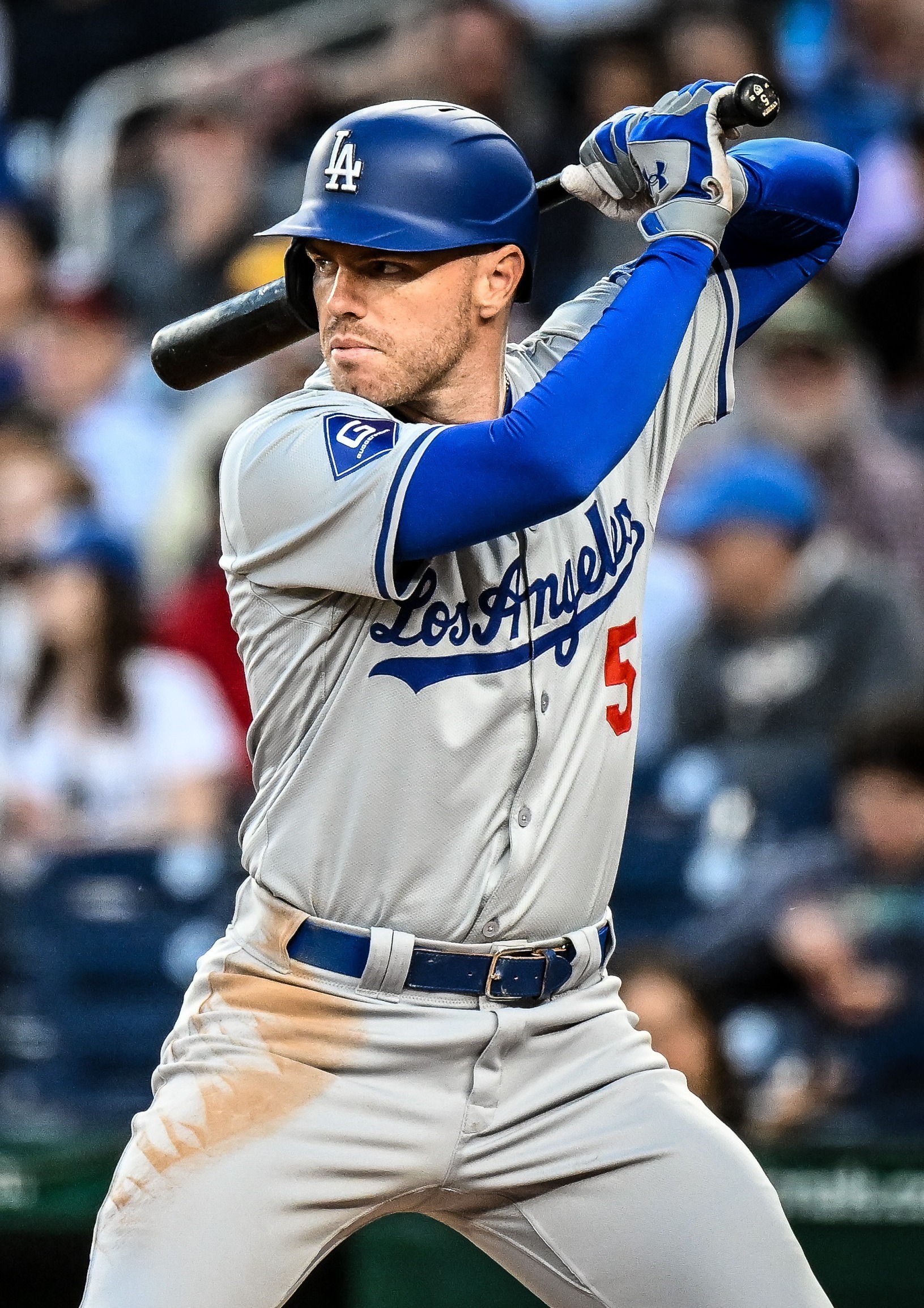
Freddie Freeman, one of the most consistent and respected players in Major League Baseball (MLB), has had an illustrious career that has not only brought him fame but also significant financial success. In this article, we delve into the earnings and wealth of Freddie Freeman, providing detailed insights, historical context, and exploring the nuances of his financial journey.
Early Career and Initial Earnings
Freddie Freeman’s journey to financial success began in 2007 when he was drafted by the Atlanta Braves. Initially, his earnings were modest, as is typical for players starting their careers in the minor leagues. Freeman’s early contracts included signing bonuses and minor league salaries that were significantly lower than what he would later earn in the majors. However, his talent and performance quickly became evident, leading to his major league debut in 2010.
Major League Contracts and Earnings Growth
Freeman’s major league career took off rapidly. In 2011, his first full season, he finished second in the National League Rookie of the Year voting. This marked the beginning of a lucrative career. In 2014, Freeman signed an eight-year, $135 million contract extension with the Braves. This deal significantly increased his annual earnings, with an average salary of approximately $16.875 million per year. The contract was a testament to his value to the team and his status as one of the premier first basemen in the league.
Peak Earning Years
Freeman’s peak earning years are currently ongoing. His contracts during this period include substantial base salaries, performance bonuses, and incentives. For several seasons, his annual earnings have exceeded $20 million, placing him among the highest-paid players in MLB. The combination of his on-field success, including his 2020 National League MVP award, and his marketability has made him a financial powerhouse in the sport.
Endorsements and Off-Field Earnings
In addition to his salary from playing baseball, Freddie Freeman has earned significant income through endorsements. Throughout his career, he has partnered with major brands such as Rawlings, Nike, and Marucci, adding millions to his annual income. These endorsement deals leverage his status as a top athlete and his reputation as a reliable and charismatic player, further enhancing his overall wealth.
Post-Retirement Ventures
While Freeman is still an active player, it is worth considering the potential post-retirement ventures that could further boost his wealth. Many former athletes transition into broadcasting, coaching, or business roles, and Freeman has the profile to excel in any of these areas. His leadership skills, experience, and knowledge of the game could lead to lucrative opportunities in the future.
Investments and Business Ventures
Freddie Freeman has also made strategic investments that have contributed to his wealth. He has invested in real estate, owning properties in California and Georgia. Additionally, he has shown interest in various business opportunities, including sports-related enterprises. These investments have diversified his income streams and provided long-term financial stability.
Philanthropy and Community Engagement
Freeman’s wealth has also allowed him to give back to the community. He established the Freddie Freeman Foundation, which focuses on supporting families dealing with health issues, particularly those related to COVID-19. His philanthropic efforts have not only positively impacted many lives but have also cemented his legacy as a compassionate and community-oriented individual.
Net Worth and Current Financial Status
As of the latest estimates, Freddie Freeman’s net worth is approximately $40 million. This figure encompasses his earnings from his playing career, endorsements, investments, and philanthropic efforts. It’s important to note that this net worth is not static; it fluctuates based on his ongoing business activities, investments, and market conditions.
Historical Context and Influence
Understanding Freddie Freeman’s financial journey also requires appreciating the historical context of his career. Freeman has played during an era in MLB characterized by significant growth in player salaries, enhanced media coverage, and global expansion of the sport. His earnings reflect broader economic trends in professional sports, where top athletes command substantial financial rewards.
The Future of Freddie Freeman’s Wealth
Looking forward, Freddie Freeman’s wealth is likely to continue growing. His ongoing performance on the field, strategic investments, and potential new ventures will contribute to this growth. Furthermore, his legacy and brand as a celebrated athlete will continue to attract opportunities in endorsements and business partnerships.
Conclusion
Freddie Freeman’s financial success is a multifaceted story of talent, strategic decisions, and leveraging opportunities. From his early days as a promising rookie to his peak earning years and beyond, Freeman has amassed significant wealth through a combination of on-field excellence and off-field ventures. His net worth, estimated at $40 million, reflects a career well-played and a life well-managed. As he continues to excel in baseball and engage in various roles within and outside of the sport, his financial journey offers a compelling example of how athletes can build and sustain wealth over the long term.


