
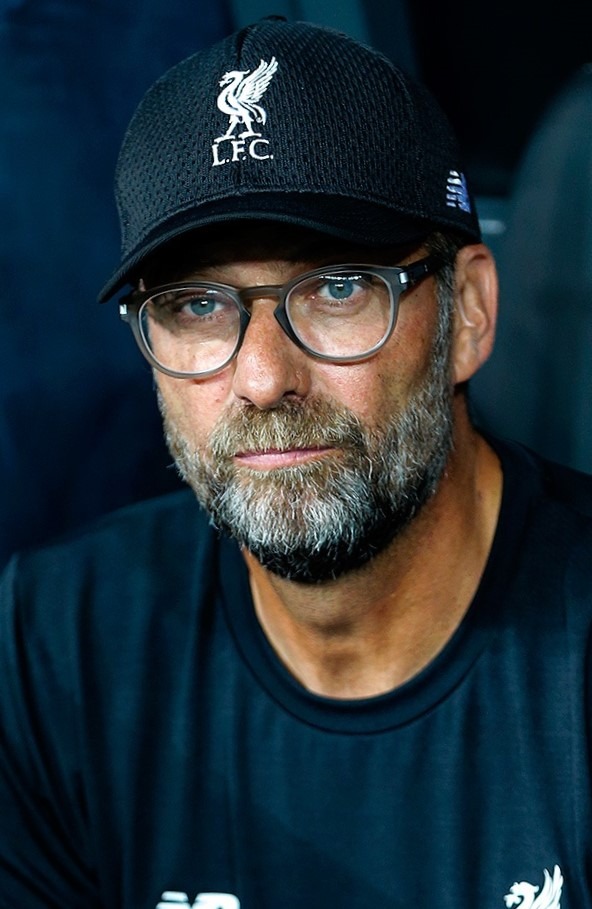
Jurgen Klopp, the charismatic and highly successful manager of Liverpool Football Club, has become one of the most recognized and respected figures in football. Known for his dynamic coaching style and infectious enthusiasm, Klopp’s financial achievements reflect his impact on the sport. This article delves into Jurgen Klopp’s earnings and wealth, providing detailed insights, historical context, and a nuanced exploration of his financial journey.
Jurgen Klopp’s Salary: A Comprehensive Breakdown
Jurgen Klopp’s earnings have seen a significant rise throughout his career, influenced by his managerial roles at top football clubs. His salary and compensation packages reflect his immense value and unparalleled success as a football manager.
Liverpool FC Salary: As of recent reports, Jurgen Klopp earns an annual salary of approximately £15 million ($20 million) at Liverpool. This figure places him among the highest-paid football managers globally. His lucrative contract is a testament to his strategic brilliance and the successes he has brought to the club, including winning the Premier League and the UEFA Champions League.
Previous Earnings: Before joining Liverpool, Klopp managed Borussia Dortmund and Mainz 05, where he also commanded substantial salaries. At Borussia Dortmund, his earnings were reportedly around €5 million ($6 million) per year, reflecting his success in winning two Bundesliga titles and reaching the Champions League final.
Bonuses and Incentives: Klopp’s contracts often include performance-based bonuses. These incentives reward achievements such as winning domestic league titles, Champions League victories, and other cup competitions. Such bonuses significantly enhance his base salary, particularly during successful seasons.
Historical Context: Evolution of Managerial Salaries
Jurgen Klopp’s earnings reflect broader trends in the financial landscape of professional football, particularly the evolution of managerial salaries over the past few decades.
Early Career Salaries: In the early days of football, managerial salaries were relatively modest compared to the astronomical figures seen today. However, as the sport grew in popularity and profitability, salaries for top managers increased significantly. Klopp’s career has spanned this transformative period, allowing him to benefit from the sport’s financial growth.
Commercialization and Media Rights: The increasing commercialization of football and lucrative media rights deals have injected vast sums of money into the sport. Networks pay billions for broadcasting rights, significantly boosting team revenues and enabling them to offer high salaries to top managerial talent.
Revenue Generation: Successful football clubs generate substantial revenue through ticket sales, merchandise, sponsorships, and television deals. Clubs that consistently perform well attract more fans and higher sponsorship deals, justifying the high salaries of successful managers like Jurgen Klopp.
Jurgen Klopp’s Net Worth
Jurgen Klopp’s net worth is estimated to be around $50 million. This wealth has been accumulated through his extensive career as a football manager, endorsements, and various investments.
Real Estate Investments: Klopp has made several strategic real estate investments over the years. He owns properties in multiple locations, including luxurious homes in Germany and England. These properties serve as valuable assets contributing to his overall net worth.
Endorsements and Business Ventures: Klopp has earned income through endorsements and business ventures. He has been associated with brands such as New Balance, Opel, and Erdinger, providing additional income streams and enhancing his financial portfolio.
Charitable Contributions: Despite his significant wealth, Klopp is known for his philanthropic efforts. He has supported numerous charitable initiatives and organizations, particularly those focused on health, education, and social causes, reflecting his commitment to giving back to the community.
The Nuances of Klopp’s Financial Success
Understanding Jurgen Klopp’s financial success requires a nuanced look at the factors contributing to his high earnings and net worth.
Coaching Philosophy and Success: Klopp’s coaching philosophy, characterized by high-energy, attacking football, and strong team cohesion, has been instrumental in his success. His ability to consistently produce winning teams and develop players has cemented his reputation and financial success.
Longevity and Adaptability: Klopp’s career, spanning several top European clubs, and his adaptability to different football cultures have significantly contributed to his financial success. Few managers have demonstrated the ability to succeed at the highest levels of multiple leagues as consistently as Klopp.
Marketability: Klopp’s success on the pitch enhances his marketability. His reputation as one of the greatest football managers adds to his brand value, indirectly influencing his financial success through endorsements and business ventures.
The Broader Impact of High Managerial Salaries
The substantial earnings of managers like Jurgen Klopp raise important questions about the broader impact on professional football.
Player Compensation: As managerial salaries increase, there is ongoing discussion about player compensation. Ensuring fair compensation for all players, particularly those at the lower end of the pay scale, is an important consideration as the financial dynamics of the sport evolve.
Resource Allocation: High salaries for managers also prompt discussions about resource allocation within football clubs. Teams must balance the financial demands of retaining top managerial talent with other operational needs, including facilities, player development, and community engagement.
Sustainability: The sustainability of escalating salaries in professional football is a concern for the future. Clubs need to manage their financial commitments carefully to maintain long-term stability and competitiveness.
Conclusion
Jurgen Klopp’s earnings and wealth reflect his exceptional success and the broader financial dynamics of professional football. His substantial salary and net worth are the result of his managerial achievements, strategic investments, and long-term consistency. However, these figures also highlight critical issues in professional sports, from player compensation to the sustainability of high salaries. As the landscape of football continues to evolve, Klopp’s financial journey offers valuable insights into the complexities and opportunities within the sport.


