
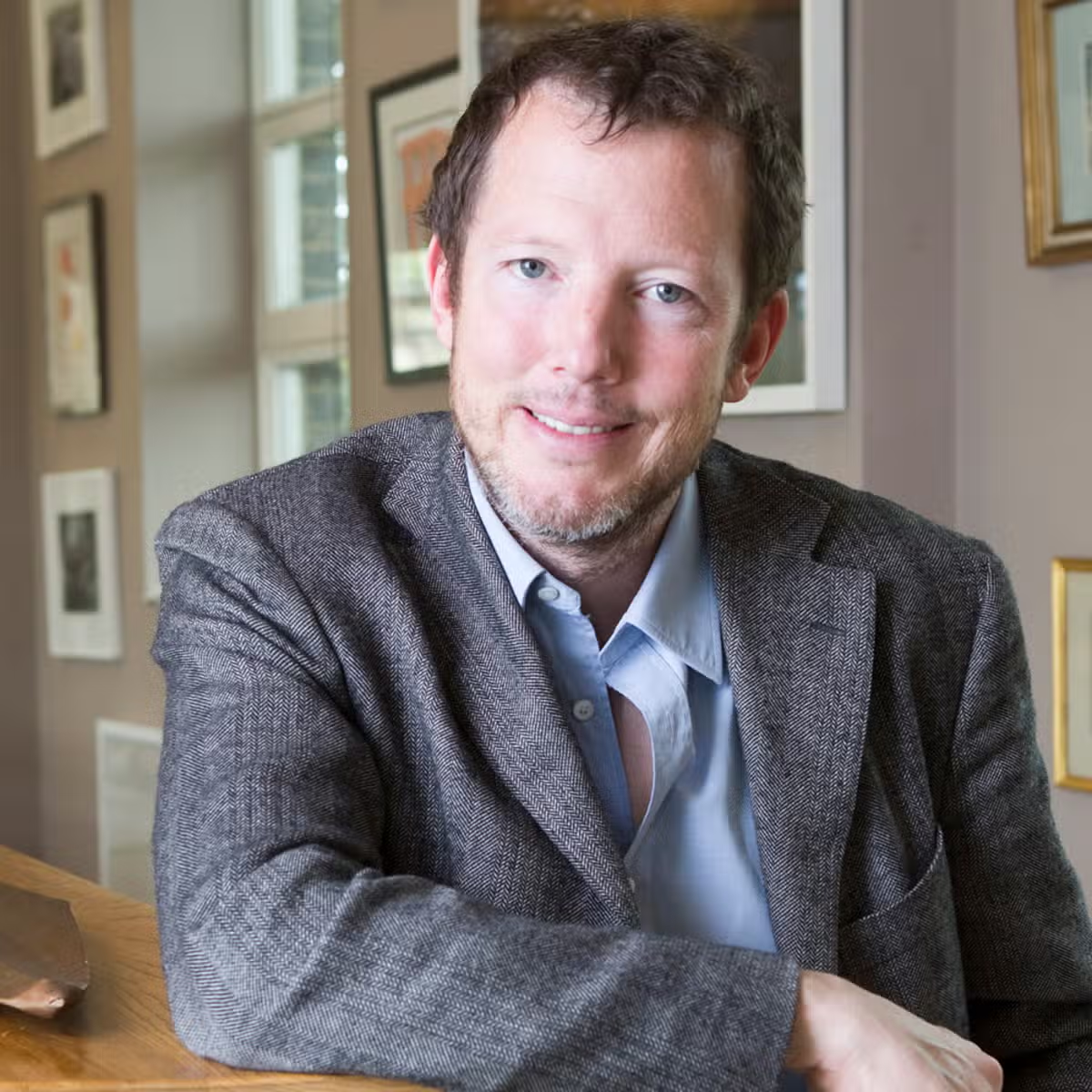
Nathaniel Philip Rothschild, also known as Nat Rothschild, is a prominent British financier and member of the renowned Rothschild family, often regarded as one of the most influential banking dynasties in history. This article delves into the details of Nathaniel Philip Rothschild’s earnings, wealth, and the historical context that has shaped his financial standing. We’ll explore his professional journey, his various business ventures, and the broader impact of his wealth.
Early Life and Education
Nathaniel Philip Victor James Rothschild was born on July 12, 1971, in England. As a scion of the illustrious Rothschild family, Nathaniel had the privilege of an elite education. He attended Eton College, one of the most prestigious schools in the UK, followed by Wadham College at Oxford University. These institutions not only provided him with a top-tier education but also connected him with a network of influential individuals, setting the stage for his future endeavors.
Early Career and Rise in Finance
Nathaniel Rothschild began his professional career in the mid-1990s, working for Lazard Brothers Asset Management in London. His tenure at Lazard provided him with invaluable experience in asset management and investment strategies. He then moved to New York to work for Gleacher Partners, a move that broadened his international perspective and financial acumen.
Atticus Capital and Hedge Fund Success
One of the pivotal points in Rothschild’s career was his involvement with Atticus Capital, a hedge fund he co-chaired and co-owned. During his time at Atticus, Rothschild played a significant role in managing a diverse portfolio of multinational companies. The hedge fund achieved substantial success under his leadership, but it eventually shuttered in 2009. Despite this, Rothschild’s reputation as a savvy financier remained intact.
Post-Atticus Ventures and Business Leadership
After the closure of Atticus Capital, Nathaniel Rothschild continued to make significant strides in the financial sector. He co-chaired Attara Capital LP and took on leadership roles in various asset management companies, including Vivarte, RIT Capital Partners, United Company Rusal plc, and Five Arrows Limited. These positions allowed him to leverage his expertise and expand his influence in the global financial market.
Current Roles and Investments
Today, Nathaniel Rothschild serves as a non-executive director for Barrick Gold Corporation, one of the world’s largest gold mining companies. His role at Barrick Gold underscores his continued involvement in high-stakes, high-reward industries. Additionally, he chairs JNR Ltd., an investment company that focuses on emerging markets, particularly in the metal, mining, and resource sectors. Rothschild’s strategic vision and investment acumen have been pivotal in navigating the complexities of these markets.
Net Worth and Wealth Accumulation
Nathaniel Philip Rothschild’s net worth is estimated to be around $1 billion. This substantial wealth is a testament to his successful career in finance and his ability to manage and grow significant investments. The Rothschild family’s historical wealth, combined with Nathaniel’s personal achievements, has cemented his position as a major player in the financial world.
Historical Context of the Rothschild Dynasty
The Rothschild family’s history dates back to the late 18th century when Mayer Amschel Rothschild established a banking business in Frankfurt, Germany. Over the years, the family expanded its operations across Europe, establishing banking houses in London, Paris, Vienna, and Naples. The Rothschilds played crucial roles in financing governments, facilitating international trade, and supporting industrialization. Their influence extended beyond banking, impacting political, economic, and social spheres.
Nathaniel Rothschild’s Place in the Family Legacy
As a modern-day representative of the Rothschild legacy, Nathaniel Rothschild has upheld the family tradition of financial innovation and leadership. His ventures in hedge funds, asset management, and investment in emerging markets reflect the family’s longstanding ethos of strategic investment and financial stewardship. Nathaniel’s career demonstrates a blend of respect for historical legacy and adaptation to contemporary financial landscapes.
Philanthropy and Social Impact
The Rothschild family has a history of philanthropy, and Nathaniel Rothschild continues this tradition. While his philanthropic activities may not be as publicized as his business ventures, he actively participates in various charitable initiatives. His involvement in the Brookings International Advisory Council and Harvard’s Kennedy School highlights his commitment to contributing to educational and policy-oriented causes. Additionally, his role on the International Advisory Board of Barrick Gold Corporation indicates a focus on sustainable and responsible business practices.
The Future of Nathaniel Rothschild’s Wealth
Looking ahead, Nathaniel Rothschild’s wealth is likely to continue growing, driven by his strategic investments and leadership in high-growth sectors. The metal, mining, and resource industries are poised for significant expansion, particularly in emerging markets. Rothschild’s ability to identify and capitalize on these opportunities will be crucial in maintaining and enhancing his financial standing.
Conclusion
Nathaniel Philip Rothschild’s financial journey is a testament to strategic vision, effective management, and a deep understanding of global markets. His wealth, estimated at $1 billion, reflects his successful navigation of the financial industry and his ability to uphold and expand the Rothschild legacy. As he continues to lead and invest in key sectors, Nathaniel Rothschild remains a prominent figure in the world of finance.
Understanding Nathaniel Rothschild’s financial background provides insight into the broader dynamics of wealth accumulation and management in the modern era. His story underscores the potential for significant financial success through strategic investment, leadership, and a keen understanding of market trends.


