
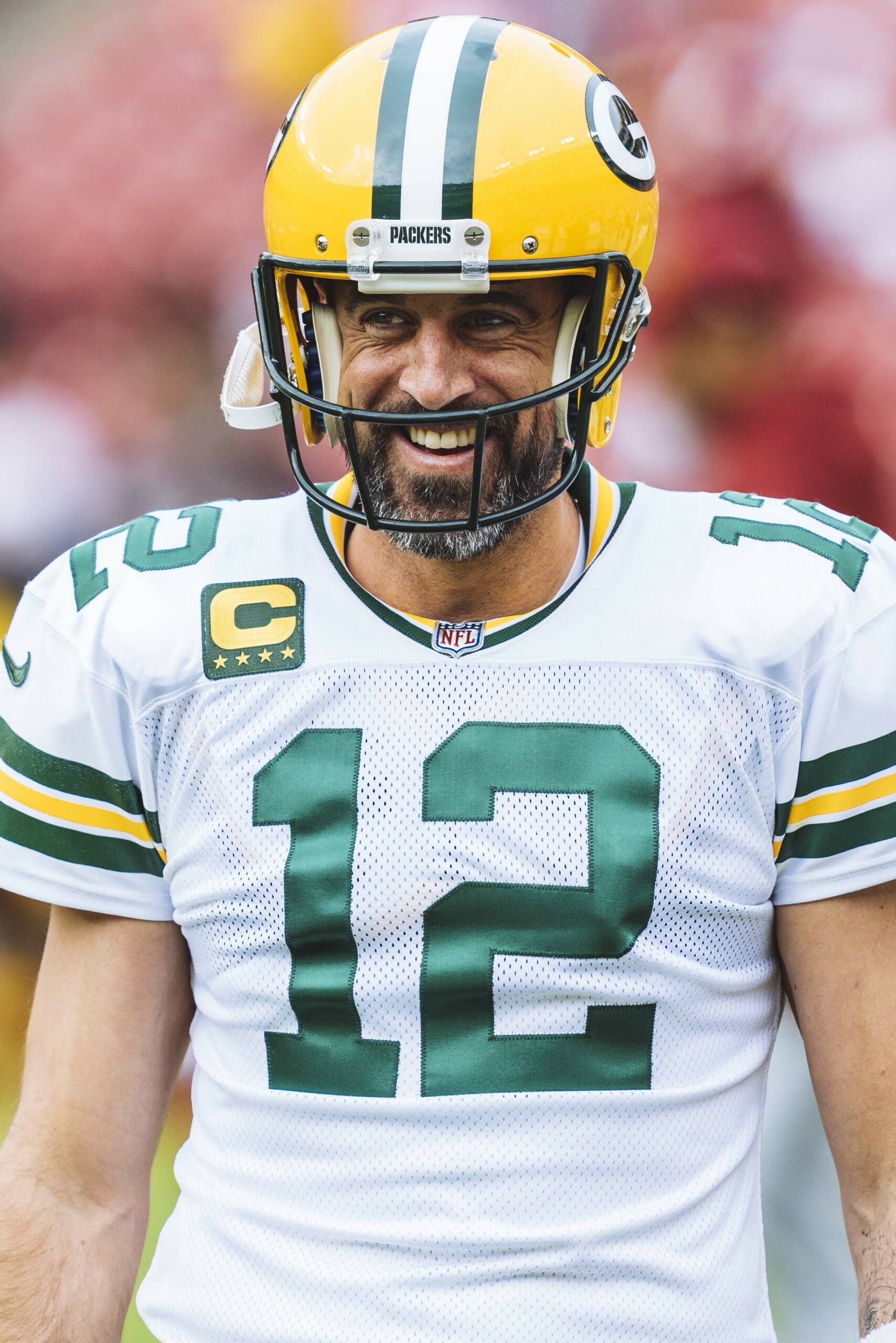
Aaron Rodgers, the celebrated quarterback of the NFL, is widely recognized for his extraordinary skills and strategic prowess on the field. His financial success is as impressive as his sports career, with earnings and wealth that place him among the elite in professional sports. This article delves into Aaron Rodgers’s earnings, wealth, and financial journey, offering detailed insights and historical context for a comprehensive understanding.
Early Life and Career Beginnings
Aaron Charles Rodgers was born on December 2, 1983, in Chico, California. From a young age, Rodgers exhibited a passion for football, which he pursued with dedication through high school and college. He played college football at Butte Community College before transferring to the University of California, Berkeley, where he became a star quarterback for the California Golden Bears.
NFL Draft and Early Career
In 2005, Aaron Rodgers was selected in the first round of the NFL Draft by the Green Bay Packers, a pivotal moment that marked the beginning of his professional career. Initially serving as a backup to Brett Favre, Rodgers honed his skills and prepared for the opportunity to lead the team. In 2008, he became the starting quarterback for the Packers, a role in which he has excelled ever since.
Earnings from NFL Contracts
Rodgers’s primary source of income is his NFL salary, which has seen substantial growth over the years. In 2018, he signed a four-year contract extension with the Packers worth $134 million, including a $57.5 million signing bonus and nearly $100 million guaranteed. This contract made him the highest-paid player in the NFL at the time, underscoring his value to the team and the league.
In 2022, Rodgers signed another contract extension, reportedly worth $150 million over three years, further solidifying his financial standing. His annual salary from this contract averages around $50 million, making him one of the highest-earning athletes in the world.
Endorsements and Sponsorships
Beyond his NFL salary, Rodgers has secured numerous endorsement deals that significantly boost his earnings. He has been a prominent face for brands such as State Farm, Adidas, Bose, and Prevea Health. These endorsements not only increase his income but also enhance his public profile and marketability.
Investments and Business Ventures
Rodgers has also demonstrated a keen interest in investments and business ventures. He has invested in various sectors, including real estate, technology, and sports franchises. In 2018, Rodgers became a limited partner in the ownership group of the Milwaukee Bucks, an NBA team, showcasing his expanding interests beyond football.
His real estate investments include purchasing and developing properties, which have appreciated in value over time, contributing to his wealth. Additionally, Rodgers has invested in tech startups and other business opportunities, leveraging his brand and financial acumen to diversify his income streams.
Wealth Accumulation and Net Worth
As of 2024, Aaron Rodgers’s net worth is estimated to be around $200 million. This substantial wealth accumulation is the result of his lucrative NFL contracts, endorsement deals, and successful investments. Rodgers’s disciplined approach to managing his finances has ensured steady growth in his net worth over the years.
Philanthropy and Charitable Contributions
Rodgers is also known for his philanthropic efforts. He has donated millions to various charitable causes and organizations. Through the Aaron Rodgers Foundation, he supports numerous initiatives aimed at improving the lives of children and families, particularly in education and healthcare. His contributions reflect his commitment to giving back to the community and making a positive impact beyond the football field.
Historical Context and Industry Impact
Aaron Rodgers’s financial journey is set against the broader context of the NFL and the sports industry. The NFL has seen tremendous growth in revenue and viewership, driven by lucrative television deals, sponsorships, and global popularity. As one of the league’s top players, Rodgers has benefitted from this growth, securing contracts that reflect the increasing financial stakes in professional sports.
Rodgers’s success also highlights the changing dynamics of athlete earnings. Modern athletes, particularly in high-profile sports like the NFL, have multiple revenue streams beyond their playing contracts. Endorsements, investments, and business ventures play a crucial role in building wealth, and Rodgers exemplifies this trend.
Challenges and Controversies
Despite his success, Rodgers has faced challenges and controversies. His career has seen its share of injuries, which is a common risk in professional football. Additionally, his public disputes with the Packers’ management over contract negotiations and team decisions have made headlines. These challenges, however, have not deterred Rodgers from maintaining his status as one of the top quarterbacks in the league.
In recent years, Rodgers’s off-field activities, including his engagement to actress Shailene Woodley and his hosting stint on “Jeopardy!”, have attracted media attention. These activities have further diversified his public persona, adding new dimensions to his career and financial profile.
Future Outlook
Looking ahead, Aaron Rodgers’s financial future appears secure. His current contract with the Packers ensures substantial earnings in the coming years. Moreover, his endorsements and investments are likely to continue generating significant income. As he eventually transitions from his playing career, Rodgers’s business acumen and public profile will likely open up new opportunities in broadcasting, business, and philanthropy.
Conclusion
Aaron Rodgers’s earnings and wealth are a testament to his talent, hard work, and strategic decision-making both on and off the field. From his early days as a promising quarterback to his current status as a wealthy and influential athlete, Rodgers’s financial journey offers valuable insights into the potential for success in professional sports. His story underscores the importance of leveraging opportunities, making wise investments, and giving back to the community, setting a standard for future generations of athletes.


