
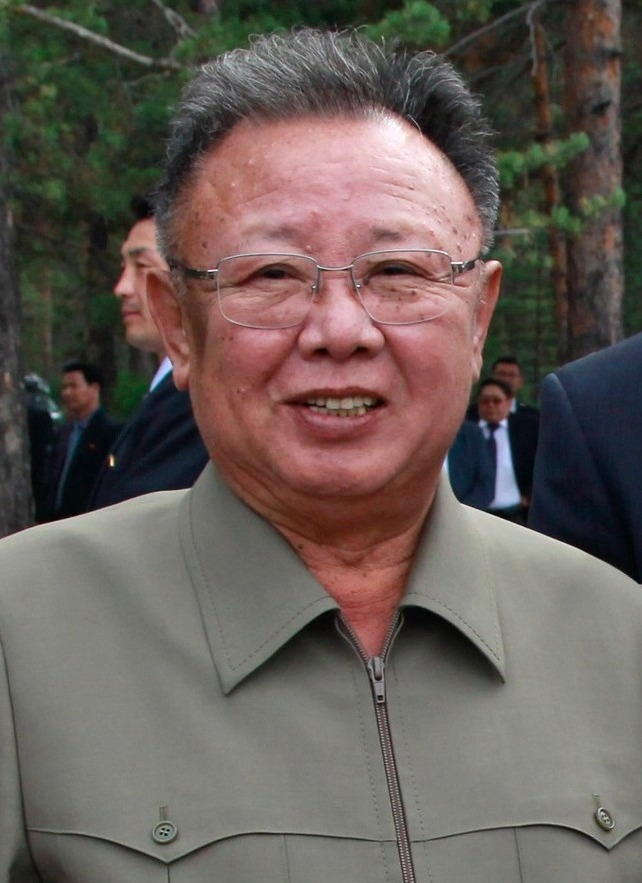
Kim Jong Il, the enigmatic and often controversial leader of North Korea, held power from 1994 until his death in 2011. As the Supreme Leader of one of the world’s most secretive and isolated nations, Kim Jong Il’s earnings and wealth have long been subjects of speculation and intrigue. This article delves into the financial status of Kim Jong Il, providing detailed insights, historical context, and the broader implications of his wealth.
Background and Rise to Power
Kim Jong Il was born on February 16, 1941 (though official North Korean accounts state 1942), in the Soviet Union, where his father, Kim Il Sung, was stationed as a guerrilla fighter. Kim Il Sung, the founding leader of North Korea, established a regime centered around the Juche ideology, which emphasizes self-reliance and the absolute authority of the leader. Kim Jong Il was groomed from a young age to succeed his father, assuming various key positions within the Workers’ Party of Korea and the military.
Kim Jong Il officially took power after Kim Il Sung’s death in 1994. His rule was characterized by a continuation of his father’s policies, with an emphasis on military strength and strict control over the populace. Despite widespread poverty and international sanctions, the regime managed to sustain itself through a combination of propaganda, repression, and strategic alliances.
Sources of Wealth
The wealth of Kim Jong Il, like that of his father and his son, Kim Jong Un, is shrouded in secrecy. However, several sources contribute to the financial resources of North Korea’s ruling elite:
State Resources and National Economy: As the Supreme Leader, Kim Jong Il had absolute control over North Korea’s resources. The country’s economy, while largely state-controlled and struggling under international sanctions, has sectors that generate significant revenue for the regime. These include mining (particularly coal and rare earth minerals), arms sales, and illicit activities such as counterfeiting and smuggling.
Illicit Activities: North Korea has been implicated in numerous illegal operations designed to circumvent international sanctions and generate hard currency. These activities include drug trafficking, counterfeiting U.S. dollars, and the sale of weapons and military technology to rogue states and non-state actors. These clandestine operations have reportedly provided substantial funds for the regime.
Foreign Aid and Remittances: Despite its isolation, North Korea has received aid from various countries over the years, including China, its most significant ally. Additionally, remittances from North Korean workers abroad, who are often forced to hand over a large portion of their earnings to the state, contribute to the regime’s coffers.
Luxury Goods and Personal Assets: Kim Jong Il was known for his opulent lifestyle, which stood in stark contrast to the poverty experienced by the majority of North Koreans. His personal wealth included luxury cars, private jets, and lavish residences. Reports indicate that he had access to a “slush fund” known as Office 39, which managed vast sums of money for the leadership’s use.
Earnings and Annual Income
Estimating Kim Jong Il’s annual earnings is inherently challenging due to the secretive nature of North Korea’s economy and the regime’s finances. However, it is believed that he controlled billions of dollars in state assets and revenue streams. The income generated from legal and illegal activities, combined with foreign aid and remittances, likely amounted to hundreds of millions of dollars annually, if not more.
Net Worth
Kim Jong Il’s net worth has been estimated at around $4 billion. This figure takes into account his control over state resources, illicit revenue streams, and personal luxury assets. The wealth of the Kim family is not easily disentangled from the state’s finances, given the centralized and autocratic nature of the regime. Therefore, the net worth attributed to Kim Jong Il reflects both his personal fortune and the resources he controlled as North Korea’s leader.
Historical Context and Broader Implications
To understand the wealth of Kim Jong Il, one must consider the historical and geopolitical context of North Korea. The country was established in 1948 with Soviet support, following the division of Korea after World War II. Kim Il Sung’s regime focused on creating a self-reliant state, heavily militarized and isolated from much of the world.
Kim Jong Il inherited a country facing severe economic difficulties, compounded by the collapse of the Soviet Union and subsequent loss of crucial support. The 1990s were marked by a devastating famine, known as the Arduous March, which resulted in the deaths of hundreds of thousands of North Koreans. Despite these challenges, Kim Jong Il maintained his grip on power through a combination of propaganda, political repression, and strategic manipulation of international relations.
The regime’s focus on military strength, encapsulated in the “Songun” or “military-first” policy, diverted resources to the armed forces and the development of nuclear weapons. This emphasis on military power served to both consolidate internal control and deter external threats. However, it also perpetuated the country’s economic struggles and reliance on illicit activities to sustain the regime.
Conclusion
Kim Jong Il’s earnings and wealth are a reflection of his absolute control over North Korea’s resources and the regime’s ability to generate revenue through both legal and illegal means. With an estimated net worth of around $4 billion, Kim Jong Il’s financial status underscores the stark contrast between the opulence of the ruling elite and the poverty experienced by the general population.
Understanding Kim Jong Il’s wealth requires a broader perspective on North Korea’s economic history, the regime’s strategies for survival, and the geopolitical dynamics of the region. The legacy of Kim Jong Il’s rule continues to influence North Korea’s current leadership and its ongoing challenges.
As the world continues to scrutinize North Korea’s actions and policies, the wealth and financial strategies of its leaders remain subjects of critical importance. The Kim family’s ability to maintain control and amass wealth despite international sanctions and economic hardships is a testament to their strategic acumen and the complexities of governing one of the world’s most secretive nations.


