
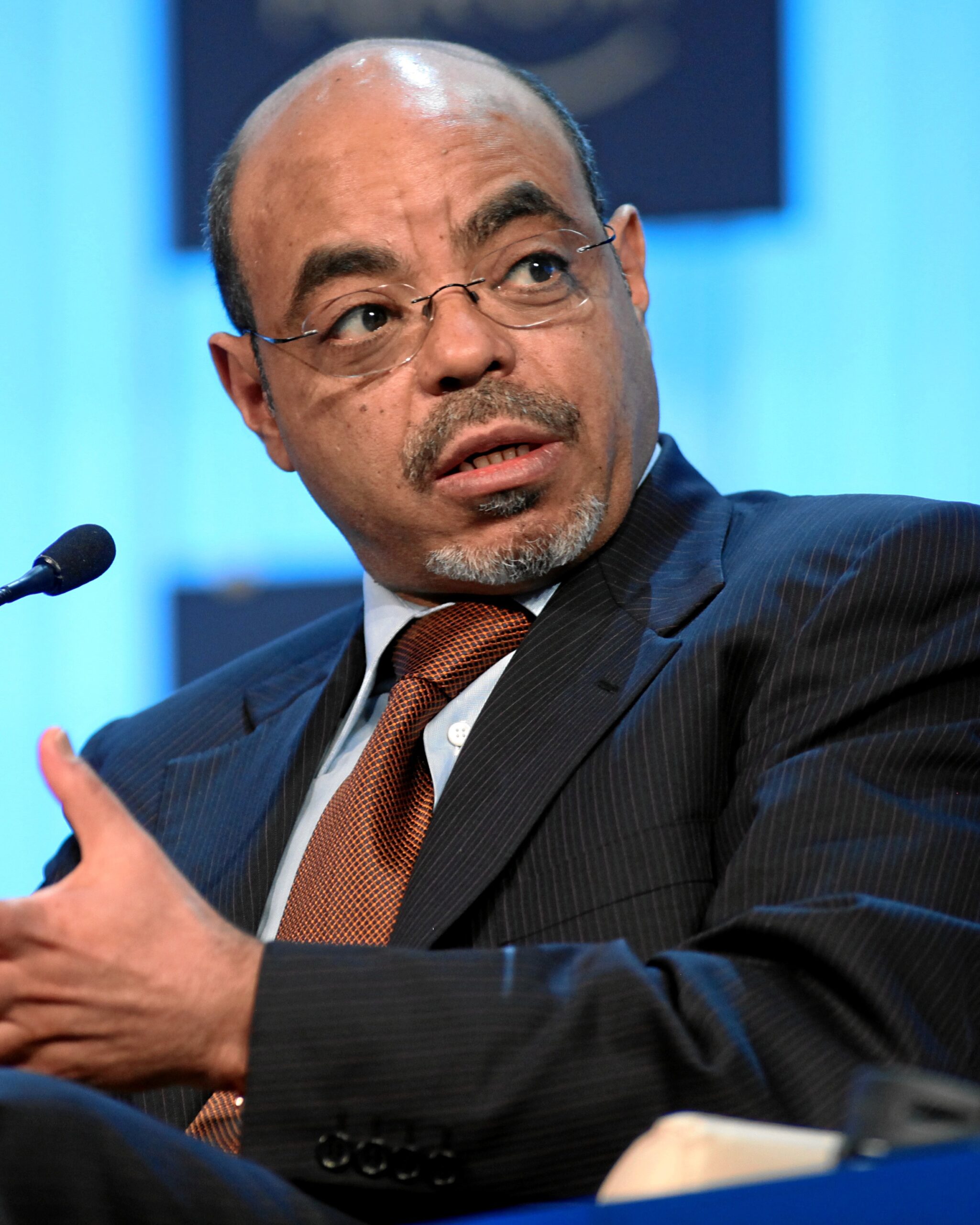
Meles Zenawi, who served as the Prime Minister of Ethiopia from 1995 until his death in 2012, was a significant figure in African politics. His tenure saw substantial economic reforms and a shift towards modernization, but it also sparked debates regarding human rights and governance. This article delves into the earnings and wealth of Meles Zenawi, providing detailed insights, historical context, and broader implications.
Background and Rise to Power
Meles Zenawi was born on May 8, 1955, in Adwa, Ethiopia. He was a prominent figure in the Tigray People’s Liberation Front (TPLF), which played a crucial role in overthrowing the Derg regime in 1991. Following the fall of the Derg, Zenawi became the president of the Transitional Government of Ethiopia and later assumed the position of Prime Minister in 1995. His leadership marked a period of relative stability and economic growth for Ethiopia.
Zenawi was known for his intellectual rigor and strategic thinking. He studied at Addis Ababa University and later completed a master’s degree in business administration (MBA) from the Open University of the United Kingdom and another master’s degree in economics from Erasmus University in the Netherlands. His academic background significantly influenced his approach to governance and economic policy.
Sources of Wealth
The wealth of Meles Zenawi, much like that of many political leaders in developing countries, is complex and not entirely transparent. While exact figures are difficult to ascertain, several sources contribute to the financial resources attributed to him:
Government Salary and Benefits: As Prime Minister, Zenawi received a government salary and various benefits. While the official salary of Ethiopian leaders is relatively modest compared to Western standards, it is supplemented by numerous perks, including housing, transportation, and other allowances.
Political Influence and Patronage: In many African countries, political leaders often have significant control over economic resources and business opportunities. Zenawi’s long tenure allowed him to build a network of political allies and business associates. This influence likely provided access to financial resources beyond his official salary.
International Aid and Investments: During Zenawi’s leadership, Ethiopia received substantial international aid and investments aimed at fostering development. While this aid was primarily intended for national development projects, the management and allocation of these funds often remained under the discretion of the ruling elite.
Real Estate and Business Interests: Reports suggest that Zenawi and his close associates had interests in various business ventures and real estate both within Ethiopia and abroad. These investments, while not publicly detailed, could have contributed significantly to his wealth.
Earnings and Annual Income
Estimating Meles Zenawi’s annual earnings involves considering his official salary, benefits, and potential additional income from other sources. As Prime Minister, his official salary was likely modest, in line with other government officials in Ethiopia. However, the perks associated with his position, such as official residences, travel allowances, and other benefits, would have added considerable value to his overall compensation.
The more significant aspect of Zenawi’s earnings would likely come from his political influence and control over economic resources. Leaders in similar positions often benefit from informal arrangements and business dealings facilitated by their political power. While concrete figures are unavailable, it is reasonable to estimate that Zenawi’s annual income, considering both official and unofficial sources, could have been in the range of several hundred thousand to a few million dollars.
Net Worth
As of the latest estimates, Meles Zenawi’s net worth is believed to be around $3 billion. This figure, though difficult to verify independently, reflects the potential accumulation of wealth through various channels over his long tenure in power. It is important to note that in many cases, the wealth of political leaders in developing countries is intertwined with that of their close associates and family members, making precise valuations challenging.
Zenawi’s wealth would have included various assets such as real estate, business interests, and possibly foreign bank accounts. The secrecy surrounding the finances of political leaders in such contexts often prevents a full accounting of their wealth.
Historical Context and Broader Implications
To understand the wealth of Meles Zenawi, one must consider the historical and political context of Ethiopia during his tenure. Zenawi came to power in the aftermath of a brutal civil war and the fall of a repressive regime. His leadership brought relative stability and economic growth to Ethiopia, transforming it into one of Africa’s fastest-growing economies.
Zenawi’s government implemented significant economic reforms, focusing on infrastructure development, education, and healthcare. These efforts attracted substantial international aid and investment, which played a crucial role in the country’s development. However, his tenure was also marked by allegations of human rights abuses, suppression of political opposition, and limitations on press freedom.
The economic growth achieved under Zenawi’s leadership often came at the cost of democratic freedoms. The concentration of power within the ruling party and the use of state resources to maintain political control are common in many developing countries. This dynamic can lead to significant wealth accumulation by political leaders and their close associates.
Conclusion
Meles Zenawi’s earnings and wealth are a reflection of his influential position within Ethiopia and the broader context of his country’s political and economic landscape. With an estimated net worth of around $3 billion, Zenawi’s financial status underscores the complexities of wealth accumulation in political leadership roles.
Understanding Zenawi’s financial status requires a broader look at Ethiopia’s economic history, his strategic leadership, and the political dynamics of his tenure. His legacy continues to influence Ethiopia’s development trajectory and the ongoing debates about governance and economic growth in the country.
As we reflect on the life and wealth of Meles Zenawi, it is clear that his impact extends far beyond his financial success. His vision for Ethiopia’s development, coupled with the challenges and controversies of his rule, leaves a lasting imprint on the nation’s history and future.


