
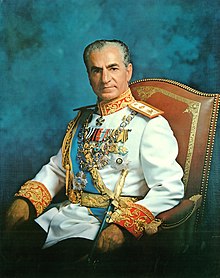
Mohammad Reza Pahlavi, the last Shah of Iran, ruled from 1941 until the Iranian Revolution in 1979. His reign was marked by significant economic growth and modernization efforts but also by political unrest and eventual exile. This article delves into the financial status of Mohammad Reza Pahlavi, providing detailed insights, historical context, and broader implications of his wealth.
Background and Rise to Power
Mohammad Reza Pahlavi was born on October 26, 1919, in Tehran, Iran, into the Pahlavi dynasty. He ascended to the throne in 1941 after the abdication of his father, Reza Shah, during World War II. His reign began under British and Soviet influence, but he quickly established his authority, aiming to modernize Iran and consolidate his power.
The Shah’s rule saw significant changes in Iran, driven by his desire to transform the country into a modern state. The White Revolution, a series of economic, social, and political reforms launched in the 1960s, aimed to modernize agriculture, promote industrial growth, and improve education and healthcare. These efforts were funded by Iran’s burgeoning oil revenues, which played a critical role in the nation’s economy and the Shah’s wealth.
Sources of Wealth
The wealth of Mohammad Reza Pahlavi was derived from several sources, primarily linked to Iran’s vast oil reserves and his control over state resources. The primary sources of his wealth include:
Oil Revenues: Iran’s oil industry was the cornerstone of the Shah’s wealth. The nationalization of the oil industry in 1951 and subsequent control over its revenues allowed the Shah to accumulate significant wealth. The oil boom of the 1970s, in particular, brought immense revenues, which were used to finance his modernization programs and personal wealth.
Royal Assets and Properties: The Pahlavi dynasty controlled extensive properties and assets both within Iran and internationally. These included palaces, estates, and luxury residences. The Shah’s personal holdings were vast, and his lifestyle reflected the wealth at his disposal.
State Resources: As the absolute monarch, Mohammad Reza Pahlavi had control over Iran’s state resources. This included access to state funds, investments, and the ability to allocate resources for personal and political purposes. His control over these resources allowed him to finance his initiatives and maintain a lavish lifestyle.
Business Ventures and Investments: The Shah and his family were involved in various business ventures and investments. These included stakes in industrial enterprises, financial institutions, and international investments. These business interests provided additional streams of income and contributed to his overall wealth.
Earnings and Annual Income
Estimating Mohammad Reza Pahlavi’s annual earnings involves considering his control over oil revenues, state resources, and personal investments. During his reign, Iran’s oil revenues were substantial, particularly during the 1970s oil boom. These revenues significantly boosted the national economy and the Shah’s personal wealth.
In addition to oil revenues, the Shah’s control over state resources allowed him to access significant funds. His official income as the monarch, while not publicly detailed, was supplemented by various allowances, state-funded projects, and the ability to allocate resources for personal use.
Combining these sources, it is reasonable to estimate that Mohammad Reza Pahlavi’s annual income was in the range of hundreds of millions to billions of dollars, particularly during the peak of Iran’s oil boom. This estimate reflects the vast resources at his disposal and the substantial revenues generated by the oil industry.
Net Worth
As of the latest estimates, Mohammad Reza Pahlavi’s net worth at the height of his reign was believed to be around $1 billion. This figure encompasses his various assets, including royal properties, business holdings, and control over state resources. It is important to note that his wealth fluctuated over time, particularly following his exile in 1979.
The Shah’s net worth included a diverse range of assets, from luxury properties and personal holdings to investments and state-controlled resources. His ability to leverage these resources allowed him to maintain significant wealth throughout his reign.
Historical Context and Broader Implications
Understanding Mohammad Reza Pahlavi’s wealth requires a broader look at the historical and political context of Iran during his reign. The Shah’s modernization efforts and economic policies were driven by the desire to transform Iran into a modern, industrialized state. The White Revolution, in particular, aimed to modernize agriculture, promote industrial growth, and improve social infrastructure.
However, these efforts were not without controversy. The Shah’s authoritarian rule, suppression of political dissent, and close ties with Western powers, particularly the United States, led to significant political unrest. The disparity between the wealthy elite and the general population, along with allegations of corruption and misuse of state resources, fueled public discontent.
The Iranian Revolution of 1979 marked the end of the Shah’s reign and led to significant changes in Iran’s political and economic landscape. The revolution was driven by widespread dissatisfaction with the Shah’s rule, economic inequality, and demands for greater political and social freedoms.
Following his exile, the Shah’s assets and properties were subject to legal and political disputes. The new Islamic Republic of Iran sought to reclaim many of the assets controlled by the Pahlavi dynasty, leading to a complex and contentious process of asset recovery and redistribution.
Conclusion
Mohammad Reza Pahlavi’s earnings and wealth reflect his influential position as the Shah of Iran and his control over the nation’s vast resources. With an estimated net worth of around $1 billion at the height of his reign, the Shah’s financial status underscores the potential for wealth accumulation through control over state resources and strategic investments.
Understanding the Shah’s financial status involves appreciating the historical context of Iran’s economic growth, his strategic leadership in modernization efforts, and the broader implications of his wealth. His legacy continues to influence discussions about governance, economic policy, and political leadership in Iran.
As we reflect on the life and wealth of Mohammad Reza Pahlavi, it is clear that his impact extends far beyond his financial success. His vision for a modern Iran, coupled with the challenges and controversies of his rule, leaves a lasting imprint on the nation’s history and future.


