
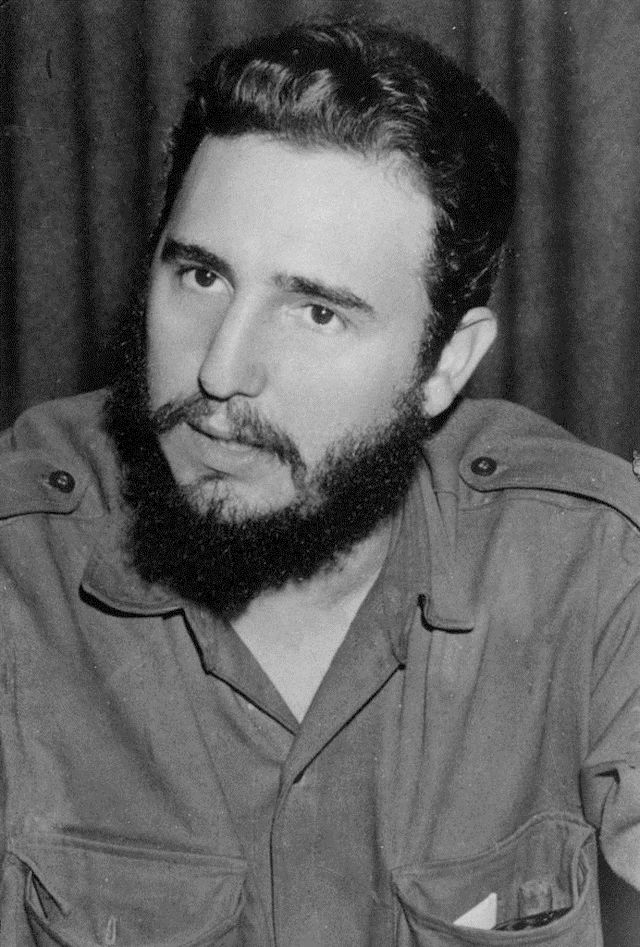
Fidel Castro, the revolutionary leader of Cuba, is a figure of significant historical importance and intrigue. His financial status and wealth have been topics of much speculation and controversy. This article delves into Fidel Castro’s earnings and net worth, exploring his career highlights, political maneuvers, and the historical context that has shaped his financial status.
Fidel Castro’s Background and Rise to Power
Fidel Castro was born on August 13, 1926, in Birán, Cuba. His journey from a law student to the leader of a revolutionary movement, and eventually the head of state, is one of the most compelling stories in modern history.
Early Life and Revolutionary Beginnings
Castro’s early life was marked by his involvement in student politics and his growing discontent with the Cuban government. After studying law at the University of Havana, Castro became increasingly involved in political activism. His revolutionary activities culminated in the failed assault on the Moncada Barracks in 1953, which led to his imprisonment. After being released, he went into exile in Mexico, where he planned the Cuban Revolution with a group of followers, including Che Guevara.
The Cuban Revolution
In 1959, Castro successfully overthrew the Batista regime and established a socialist government in Cuba. As Prime Minister and later President, Castro implemented widespread social and economic reforms, nationalizing industries, and aligning Cuba with the Soviet Union during the Cold War. His leadership transformed Cuba into a one-party socialist state, with Castro maintaining control over the country for nearly five decades.
Earnings and Wealth Accumulation
Fidel Castro’s wealth and earnings are subjects of considerable debate. Officially, Castro always maintained that he lived a modest lifestyle and did not amass personal wealth. However, various reports and investigations have suggested otherwise.
Official Salary and Public Funds
As the head of state, Castro’s official salary was modest, reportedly around $900 per month. However, given the centralized control over the economy and state resources, it is widely believed that Castro had access to substantial funds. His leadership position allowed him to control significant portions of the nation’s wealth, although he publicly denounced personal riches.
Allegations of Hidden Wealth
Several reports, including a 2006 Forbes article, claimed that Castro’s net worth could be as high as $900 million. These estimates were based on his control over state enterprises and the nationalization of businesses. The Cuban government and Castro himself vehemently denied these claims, calling them baseless and politically motivated.
Real Estate and Luxury Assets
Despite his claims of modesty, Castro was believed to have access to multiple luxury residences and properties. Reports indicated that he had several homes across Cuba, including a private island retreat. These properties, while state-owned, were at his disposal and contributed to the perception of his hidden wealth.
Fidel Castro’s Net Worth
Estimating Fidel Castro’s net worth is challenging due to the opaque nature of his financial dealings and the lack of transparent information. While Forbes once estimated his net worth to be around $900 million, this figure has been widely contested and remains speculative. Officially, Castro maintained that he did not possess significant personal wealth and lived modestly, aligning with his socialist principles.
Historical Context and Legacy
Fidel Castro’s financial status cannot be fully appreciated without understanding the historical context of his career. His rise to power and subsequent leadership occurred during a time of significant geopolitical tension and economic transformation in Cuba. The nationalization of industries and alignment with the Soviet Union provided resources but also subjected Cuba to economic sanctions and isolation from the United States and its allies.
Impact on Cuba and Future Generations
Castro’s leadership had profound implications for Cuba. His economic policies and the nationalization of private enterprises aimed to reduce inequality and improve social welfare. However, they also led to economic hardships, shortages, and emigration. Castro’s legacy is complex, with supporters praising his commitment to social justice and detractors criticizing his authoritarian rule and economic mismanagement.
Philanthropy and Social Programs
One of the key aspects of Castro’s rule was his focus on social programs. He implemented extensive healthcare and education reforms, resulting in significant improvements in literacy rates and public health. These programs were funded by state resources and reflected his commitment to socialist principles.
Conclusion
Fidel Castro’s earnings and net worth remain subjects of speculation and controversy. From his early days as a revolutionary leader to his long tenure as the head of state, Castro’s financial journey is intertwined with his political ideology and leadership style. Officially, he claimed to live modestly, but various reports suggest he may have had access to significant resources and wealth.
As we explore the nuances of Fidel Castro’s financial status, it’s clear that his story is not just about wealth but also about the broader implications of his leadership on Cuba and its people. His financial legacy is a reflection of his complex and often contradictory role as a revolutionary leader and head of state.


