
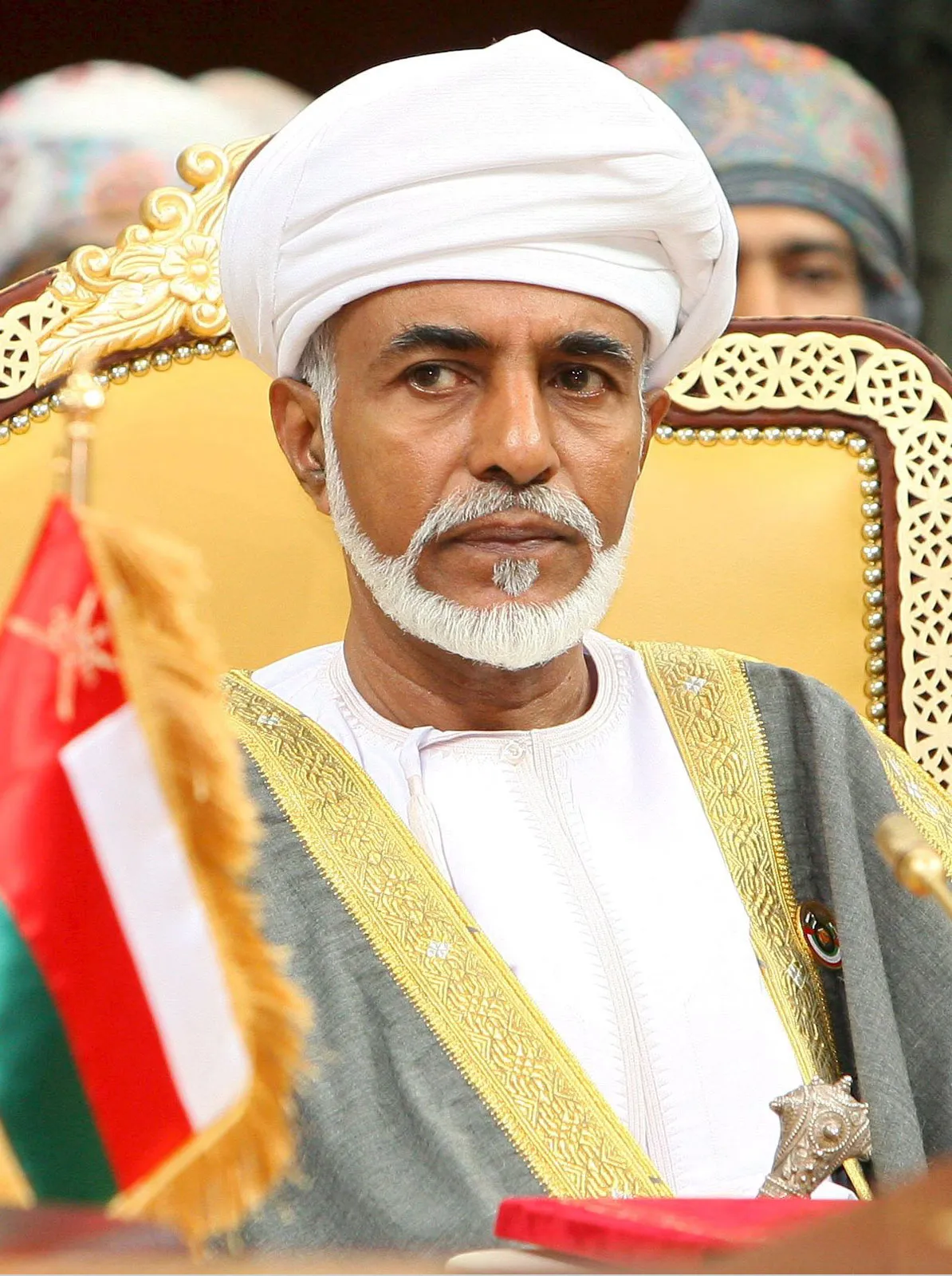
Sultan Qaboos bin Said Al Said, the revered ruler of Oman, left an indelible mark on the nation through his transformative leadership. At the time of his death in January 2020, Sultan Qaboos had a net worth estimated at $900 million. His financial standing and earnings have been subjects of considerable interest, reflective of his significant role in modernizing Oman.
Early Life and Education
Sultan Qaboos bin Said was born on November 18, 1940, in Salalah, Oman. He was the only son of Sultan Said bin Taimur and Princess Mazoon al-Mashani. His early education was in Salalah and India, where he studied under the guidance of Shankar Dayal Sharma, who later became the President of India.
Qaboos furthered his education at the Royal Military Academy Sandhurst in the United Kingdom. Following his graduation, he joined the British Army, serving with the 1st Battalion, The Cameronians. This military background provided him with a strong foundation in leadership and strategic thinking.
Rise to Power
In July 1970, Qaboos bin Said overthrew his father, Sultan Said bin Taimur, in a bloodless coup. His father’s reign had been marked by isolationism and economic stagnation. Upon assuming power, Qaboos declared the renaming of the country from Muscat and Oman to the Sultanate of Oman, symbolizing a new era of unity and progress.
Economic and Social Reforms
Sultan Qaboos is celebrated for his extensive reforms that transformed Oman from an underdeveloped nation into a modern state. He embarked on an ambitious program of modernization, using the country’s oil revenues to build infrastructure, improve healthcare, and enhance education. His efforts led to significant improvements in the quality of life for Omani citizens.
Infrastructure Development
Under Qaboos’s leadership, Oman saw the construction of roads, hospitals, and schools across the nation. These developments not only facilitated economic growth but also improved access to essential services, contributing to a higher standard of living.
Diversification of the Economy
While oil revenues were crucial to Oman’s development, Sultan Qaboos recognized the importance of diversifying the economy. He invested in sectors such as tourism, logistics, and manufacturing, reducing the country’s dependence on oil and ensuring more sustainable economic growth.
Wealth and Earnings
Sultan Qaboos’s net worth of $900 million was primarily derived from Oman’s oil revenues and state assets. Despite his immense wealth, Qaboos was known for his relatively modest lifestyle compared to other regional leaders.
Real Estate and Investments
Qaboos owned numerous properties both within Oman and internationally. His real estate portfolio included palaces and significant land holdings, which added substantial value to his net worth. Moreover, he made strategic investments across various sectors, ensuring a steady increase in his wealth.
Governance and Political Influence
Qaboos bin Said’s governance style was characterized by an absolute monarchy, tempered with a commitment to greater openness and participation. He introduced parliamentary elections and allowed women to vote, showcasing his progressive approach to governance.
Diplomatic Achievements
Qaboos positioned Oman as a neutral state, maintaining balanced relations with both Iran and the United States. This neutral stance enabled Oman to act as a mediator in regional conflicts, enhancing its geopolitical significance. His diplomatic efforts earned him international recognition, including the International Peace Award by the National Council on US-Arab Relations in 1998.
Cultural Contributions and Legacy
Sultan Qaboos was a patron of the arts, particularly classical music. He established a 120-member orchestra composed of Omani musicians, promoting cultural development and showcasing Omani talent on international stages. His love for music reflected his broader commitment to cultural enrichment.
National Holidays
Sultan Qaboos’s birthday, November 18, is celebrated as Oman’s national holiday. Additionally, July 23, the day he assumed power, is recognized as Renaissance Day, symbolizing the beginning of a new era of progress and development for Oman.
Personal Life
In 1976, Sultan Qaboos married his cousin, but the marriage ended in divorce, and he never remarried. Despite his personal life being relatively private, his leadership and public persona left a lasting impact on Oman and the broader Middle East.
Conclusion
Sultan Qaboos bin Said’s legacy is multifaceted, encompassing significant economic, social, and cultural advancements. His net worth of $900 million at the time of his death reflects the wealth accumulated through strategic governance and prudent use of oil revenues. Sultan Qaboos’s transformative rule turned Oman into a modern state, leaving an indelible mark on its history.
His approach to governance, marked by a blend of tradition and modernity, set a unique example in the region. Under his leadership, Oman achieved remarkable progress, positioning itself as a stable and prosperous nation in a tumultuous region. Qaboos bin Said’s life and rule continue to be studied and admired for their profound impact on Oman and its people.


