
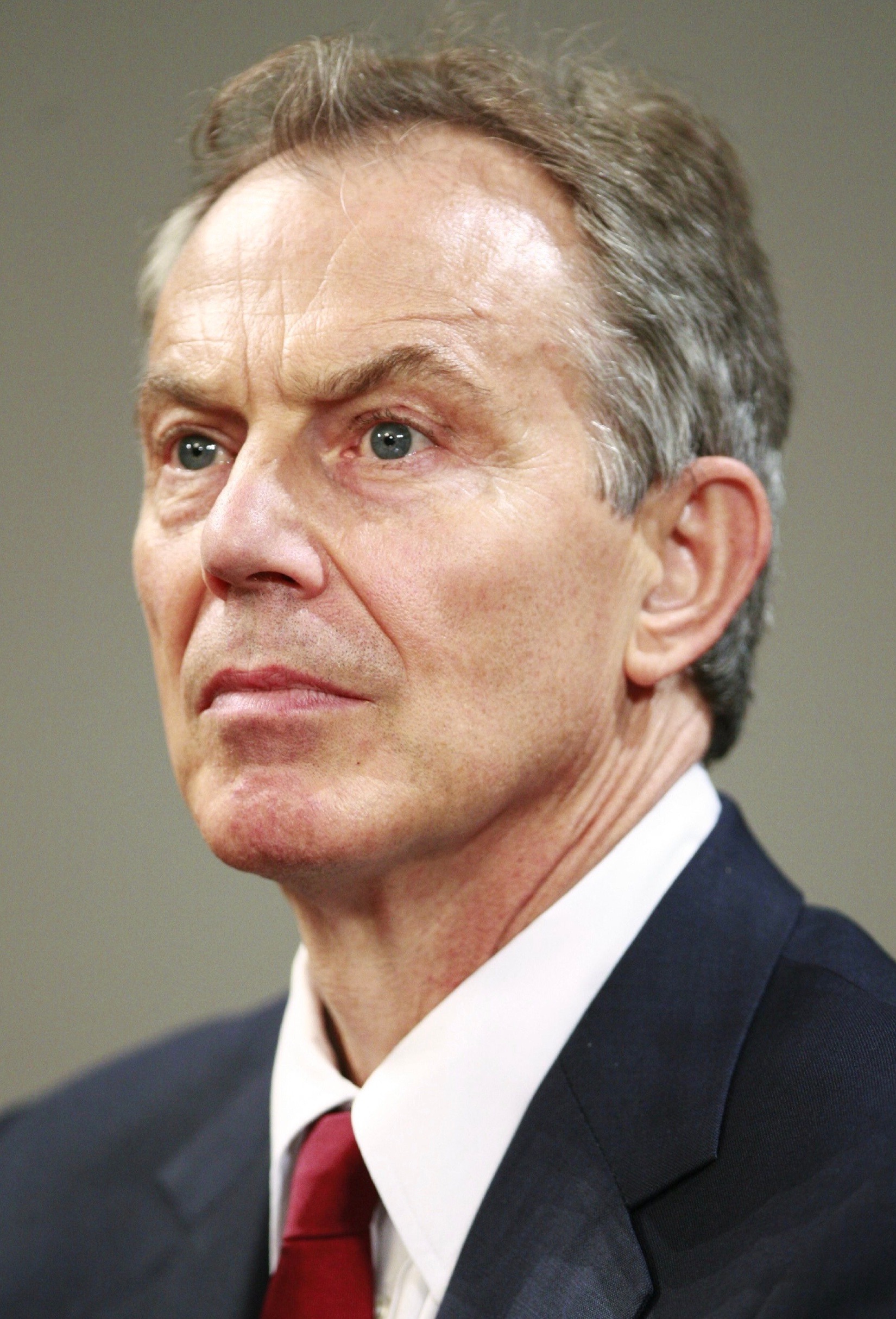
Tony Blair, the former Prime Minister of the United Kingdom, is one of the most prominent political figures of the late 20th and early 21st centuries. His financial journey, from his political career to his post-premiership ventures, offers a compelling narrative. This article explores Tony Blair’s earnings, various income sources, and provides an estimation of his overall wealth, offering detailed insights and historical context.
Tony Blair’s Official Earnings
Tony Blair served as the Prime Minister of the United Kingdom from 1997 to 2007. During his time in office, the Prime Minister’s salary was around £187,000 per year, which includes a basic MP’s salary and an additional amount for the Prime Minister’s role. Over ten years, this would amount to nearly £1.87 million, which is substantial but not the primary source of Blair’s wealth.
Additional Sources of Income
Beyond his official salary as Prime Minister, Tony Blair’s wealth is significantly augmented by various other income streams. These sources contribute substantially to his overall financial status:
Book Royalties and Advances: Tony Blair has earned significant income from his memoirs. His autobiography, “A Journey,” published in 2010, was a bestseller. Blair reportedly received a £4.6 million advance for the book, which provided a substantial boost to his finances. The book’s success has continued to generate royalties.
Speaking Engagements: Post-premiership, Tony Blair has become a highly sought-after public speaker. He commands fees that can range from £200,000 to £400,000 per engagement. Blair’s speeches often focus on his experiences in office, global politics, and leadership, attracting audiences worldwide.
Consulting and Advisory Roles: Tony Blair has taken on several lucrative consulting and advisory roles since leaving office. Notably, he joined JPMorgan Chase as a senior advisor, earning a reported £2.5 million per year. He has also advised Zurich Financial Services on climate change and other issues.
Tony Blair Associates: In 2008, Blair founded Tony Blair Associates, a consultancy that provides strategic advice on politics and economics. This venture has attracted high-profile clients and generated substantial revenue. However, it has also faced criticism for potential conflicts of interest, particularly regarding Blair’s role as a Middle East envoy.
Real Estate Investments: Tony Blair and his wife, Cherie Booth, have made significant investments in real estate. The Blair family owns eight residences, including a primary home in Connaught Square, London. Their real estate portfolio is estimated to be worth tens of millions of pounds.
Middle East Envoy and Other Roles: After leaving office, Blair was appointed as the Middle East envoy for the United Nations, European Union, Russia, and the United States. Although this role was not highly paid, it enhanced his global profile and opened doors for subsequent lucrative opportunities.
Estimated Net Worth of Tony Blair
Tony Blair’s net worth is estimated to be around $60 million. This figure reflects the wealth he has accumulated through his political career, book deals, speaking engagements, consultancy, and real estate investments.
Historical Context and Economic Impact
Understanding Tony Blair’s wealth requires a deep dive into the historical and economic context of his life and career. Born on May 6, 1953, in Edinburgh, Scotland, Blair’s early life was marked by a privileged education. He attended Fettes College, an elite boarding school, before studying jurisprudence at St John’s College, Oxford. At Oxford, Blair was known for his involvement in student politics, his musical ambitions with the rock band Ugly Rumours, and his interest in law.
Blair’s political career began in earnest after joining the Labour Party in the early 1980s. He was elected as the MP for Sedgefield in 1983 and quickly rose through the ranks. By 1994, following the sudden death of Labour leader John Smith, Blair became the party leader and, subsequently, Leader of the Opposition.
Prime Ministerial Tenure
Tony Blair’s tenure as Prime Minister was marked by significant reforms and controversies. His government enacted progressive constitutional reforms, including the establishment of the UK’s Supreme Court and the devolution of powers to Scotland and Wales. Blair’s administration also increased public spending on education and healthcare, introduced the National Minimum Wage Act, and passed the Human Rights Act.
However, Blair’s legacy is also defined by his foreign policy decisions, particularly his support for the US-led invasions of Afghanistan and Iraq. His close alliance with US President George W. Bush and the controversial claims about weapons of mass destruction in Iraq led to widespread criticism and protests.
Post-Prime Minister Ventures
After resigning as Prime Minister in 2007, Blair embarked on various ventures that significantly boosted his wealth. His role as a Middle East envoy, while largely symbolic, enhanced his international profile. His consulting work, particularly with JPMorgan Chase and Zurich Financial Services, has been highly lucrative.
Blair also founded several organizations aimed at addressing global issues. The Tony Blair Faith Foundation and the Tony Blair Sports Foundation are notable examples, focusing on interfaith dialogue and promoting youth participation in sports, respectively. In 2016, he launched the Tony Blair Institute for Global Change, which aims to support political and economic reform worldwide.
Personal Life and Philanthropy
Tony Blair married Cherie Booth, a barrister and judge, in 1980. The couple has four children: Euan, Nicholas, Kathryn, and Leo. The Blairs’ personal life has been subject to media scrutiny, particularly regarding their real estate investments and the financial activities of Tony Blair Associates.
Despite the controversies, Blair has been involved in various philanthropic efforts. The Tony Blair Faith Foundation, for example, works to promote understanding among different religious communities and combat extremism. Blair’s commitment to global change and public service continues to influence his post-political activities.
Conclusion
Tony Blair’s wealth, estimated at $60 million, is a result of his political career, book royalties, speaking engagements, consultancy, and real estate investments. His financial journey from Prime Minister to global consultant and public speaker exemplifies the economic opportunities available to former world leaders. Understanding Blair’s financial status provides valuable insights into the intersection of politics, personal achievement, and wealth accumulation in the modern era.
As Blair continues to engage in public life and philanthropy, his wealth and influence are likely to grow. His story highlights the complexities of navigating a post-political career while balancing public service and private enterprise.


