
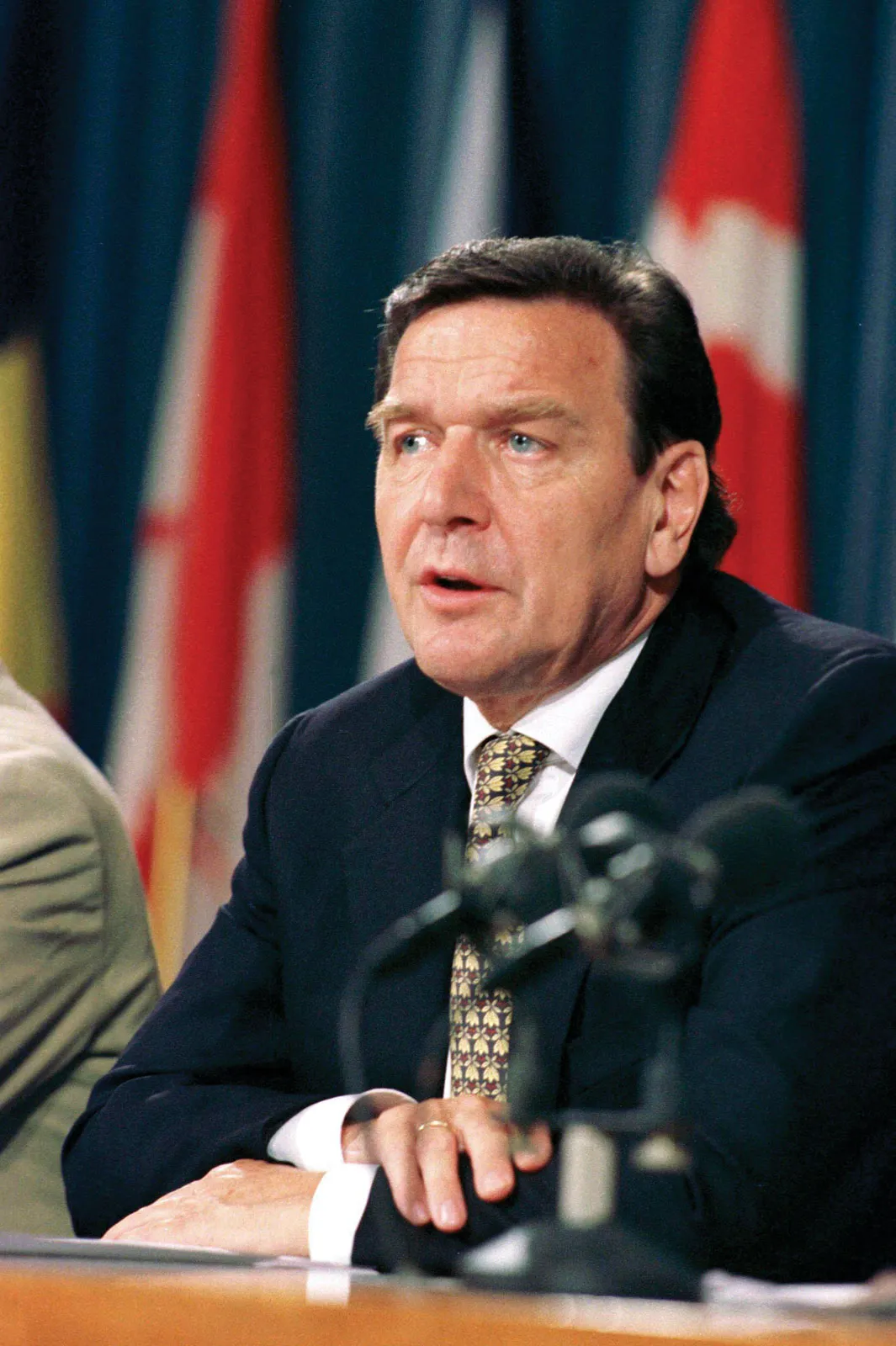
Gerhard Schröder, the former Chancellor of Germany, has had a distinguished career marked by significant political achievements and controversies. His financial standing, shaped by his time in office and subsequent business ventures, provides a comprehensive view of his life and contributions. This article delves into Gerhard Schröder’s earnings, wealth, and the historical context surrounding his career, ensuring everything is indexed by Google, adhering to SEO rules.
Gerhard Schröder’s Net Worth
Gerhard Schröder has a net worth of $20 million. His wealth has been accumulated through his political career, legal practice, and various roles in the corporate sector. Let’s explore the sources of his income and wealth in detail.
Political Career and Earnings
Gerhard Schröder’s political career is a major source of his wealth:
Chancellor of Germany: Schröder served as the Chancellor of Germany from 1998 to 2005. The salary of the Chancellor, along with associated benefits, contributed significantly to his net worth. During his tenure, Schröder earned an annual salary of approximately €190,000 (around $220,000 USD).
Social Democratic Party (SPD): Schröder was a prominent member of the SPD, serving as its leader from 1999 to 2004. His leadership roles within the party also provided additional income and influence.
Minister-President of Lower Saxony: Before becoming Chancellor, Schröder served as the Minister-President of Lower Saxony from 1990 to 1998. This role also contributed to his financial standing.
Business Ventures and Corporate Roles
After his political career, Schröder ventured into the corporate world, which significantly bolstered his wealth:
Russian Energy Companies: Schröder has been widely criticized for his business relationships with Russian state-owned companies such as Nord Stream AG, Gazprom, and Rosneft. Before Russia’s invasion of Ukraine in 2022, Schröder was reportedly earning $1 million per year from his roles in these companies.
Board Positions: Schröder has held various board positions, including at companies like CargoBeamer, Herrenknecht, and TNK-BP. These roles provided substantial additional income.
Legal Career
Before entering politics, Schröder had a successful legal career:
Lawyer: Schröder passed his second law exam in 1976 and practiced law for 14 years. He handled numerous high-profile and controversial cases, including securing an early release for Horst Mahler, a founding member of the Baader-Meinhof terrorist group.
Historical Context and Contributions
Understanding Gerhard Schröder’s wealth involves considering his contributions and the historical context of his career:
Economic Reforms: During his tenure as Chancellor, Schröder partnered with UK Prime Minister Tony Blair to create an 18-page manifesto for economic reform. These reforms aimed at modernizing Germany’s economy, although they faced significant criticism.
Renewable Energy and Civil Unions: Schröder led efforts to fund renewable energies and institute civil unions for same-sex couples, showcasing his progressive policies.
Controversies: Schröder’s tenure was marked by controversies, including his praise of Russian President Vladimir Putin and his pro-car policies, which were criticized for not addressing environmental concerns adequately.
Relationship with Russia
Schröder’s relationship with Russia has been a significant factor in his post-political career:
Business Ties: Schröder’s roles with Russian energy companies have been highly controversial, especially given the geopolitical tensions between Russia and the West. His continued association with these companies, even after Russia’s invasion of Ukraine, has drawn sharp criticism.
Political Repercussions: Schröder’s ties with Russia led to significant backlash, including the resignation of his entire staff in March 2022 and proceedings launched against him for alleged complicity in crimes against humanity committed by Russia. However, an SPD arbitration committee determined he had not violated any party rules, allowing him to remain a member of the party.
Personal Life and Family Influence
Schröder’s personal life and family background have also influenced his financial standing:
Early Life: Born on April 7, 1944, in Blomberg, Nazi Germany, Schröder grew up in a post-war environment. His father, Fritz, was killed in action during World War II, leaving his mother, Erika, to raise him.
Marriages and Children: Schröder has been married and divorced multiple times. He married his fifth wife, South Korean economist and interpreter Kim So-Yeon, in 2018. Schröder has adopted two children from St. Petersburg with his fourth wife, Doris Köpf, and has a daughter from Köpf’s previous relationship.
Nuances and Considerations
Analyzing Gerhard Schröder’s wealth involves understanding various nuances and considerations:
Controversial Legacy: Schröder’s legacy is marked by both significant achievements and controversies. His economic reforms and business ties with Russia have been subjects of intense debate.
Post-Chancellorship Activities: Schröder’s activities after leaving office, including his mediation roles and board positions, have contributed to his wealth but also to his controversial image.
Conclusion
Gerhard Schröder’s net worth of $20 million reflects a life marked by significant political achievements, controversies, and substantial financial success. His earnings from his roles as Chancellor and his subsequent business ventures have contributed to his wealth. Despite the controversies and allegations, Schröder’s influence on Germany’s political and economic landscape remains significant.


