
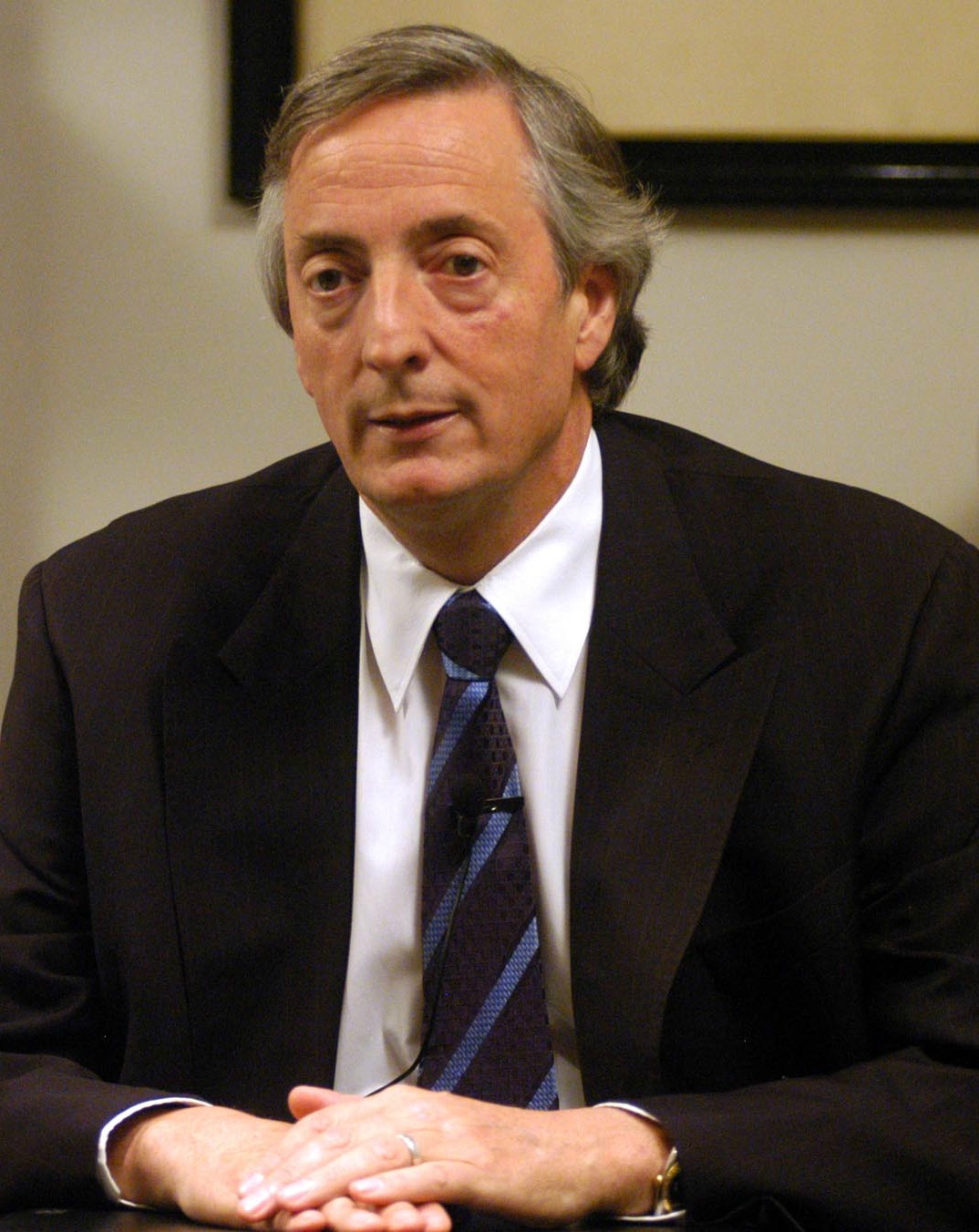
Néstor Kirchner, an influential Argentine politician, served as the President of Argentina from 2003 to 2007. His financial standing, along with his political career and personal investments, provides a comprehensive view of his life and contributions. This article delves into Néstor Kirchner’s earnings, wealth, and the historical context surrounding his career, providing detailed insights and explanations while ensuring everything is indexed by Google, adhering to SEO rules.
Néstor Kirchner’s Net Worth
Néstor Kirchner had a net worth of $20 million at the time of his death in 2010. His wealth was accumulated through his political career, personal investments, and property holdings. Let’s explore the sources of his income and wealth in detail.
Political Career and Earnings
Néstor Kirchner’s political career was a significant source of his wealth:
President of Argentina: Kirchner served as the President of Argentina from May 2003 to December 2007. The presidential salary, along with associated benefits, contributed significantly to his net worth. During his presidency, Kirchner earned a substantial salary, which was augmented by various allowances and perks associated with the office.
Governor of Santa Cruz: Before becoming President, Kirchner served as the Governor of Santa Cruz from December 1991 to May 2003. This role provided him with a substantial salary and various benefits, enhancing his financial standing.
Mayor of Río Gallegos: Kirchner’s political career began at the local level, where he served as the Mayor of Río Gallegos from December 1987 to December 1991. This position also contributed to his early financial base.
Other Political Roles: Kirchner held several other significant political positions, including President of the Justicialist Party and Secretary General of the Union of South American Nations (UNASUR), which further added to his income and influence.
Personal Investments and Real Estate
Kirchner’s financial portfolio included significant investments in real estate:
Property Holdings: By 2009, Néstor Kirchner and his wife, Cristina Fernández de Kirchner, reported owning 28 properties valued at approximately $4 million. These investments in real estate provided a stable source of income and capital appreciation.
Bank Deposits: In 2009, their financial disclosure indicated bank deposits totaling $8 million, reflecting their substantial liquid assets.
Hotels and Tourism Complexes: The Kirchners were involved in the tourism sector, owning several hotels, including the Hotesur in El Calafate. These ventures were lucrative but also subjects of controversy and investigations.
Controversies and Legal Issues
Néstor Kirchner’s career and financial dealings were not without controversy:
Allegations of Corruption: The Kirchners faced allegations of using their political power to buy land at rock-bottom prices and developing it into profitable hotels and tourism complexes. These accusations included operating “ghost hotels” to launder money, although no official wrongdoing was ever discovered by investigators.
Financial Growth: When Kirchner first came to power in 2003, he and his wife reported a net worth of $3 million. By 2009, their combined net worth had increased to $14 million, and by 2013, after Néstor’s death, Cristina reported a personal net worth of $82 million.
Historical Context and Contributions
Understanding Néstor Kirchner’s wealth involves considering his contributions and the historical context of his career:
Economic Policies: As President, Kirchner implemented policies aimed at economic recovery following Argentina’s 2001 financial crisis. His administration focused on debt restructuring, increasing foreign reserves, and reducing poverty.
Political Influence: Kirchner’s influence extended beyond his presidency. He played a key role in shaping Argentine politics, particularly through his support of his wife, Cristina Fernández de Kirchner, who succeeded him as President.
Regional Leadership: Kirchner’s role as Secretary General of UNASUR highlighted his influence in South American politics, promoting regional integration and cooperation.
Personal Life and Family Influence
Néstor Kirchner’s personal life and family background also played a role in his financial and political journey:
Early Life and Education: Born on February 25, 1950, in Río Gallegos, Santa Cruz, Argentina, Kirchner pursued a law degree from the National University of La Plata. His education and early career in law provided a foundation for his political endeavors.
Marriage to Cristina Fernández de Kirchner: Néstor married Cristina Fernández in 1975, and the couple had a powerful political partnership. Cristina’s subsequent presidency and continued political influence have kept the Kirchner legacy prominent in Argentine politics.
Family Wealth: The Kirchners’ combined wealth grew significantly during their political careers, reflecting their successful investments and strategic financial decisions.
Nuances and Considerations
Analyzing Néstor Kirchner’s wealth involves understanding various nuances and considerations:
Political Legacy: Kirchner’s legacy is marked by both significant achievements and controversies. His economic policies helped stabilize Argentina after a financial crisis, but allegations of corruption and financial misconduct have tainted his reputation.
Public Perception: Despite the controversies, Kirchner remained a popular figure in certain segments of Argentine society. His supporters often viewed him as a strong leader who prioritized national interests.
Conclusion
Néstor Kirchner’s net worth of $20 million reflects a life marked by significant political achievements, substantial financial success, and numerous controversies. His earnings from his roles as President and Governor, coupled with his investments in real estate and other assets, contributed to his wealth. Despite the controversies and allegations, Kirchner’s influence on Argentina’s political and economic landscape remains significant.


