
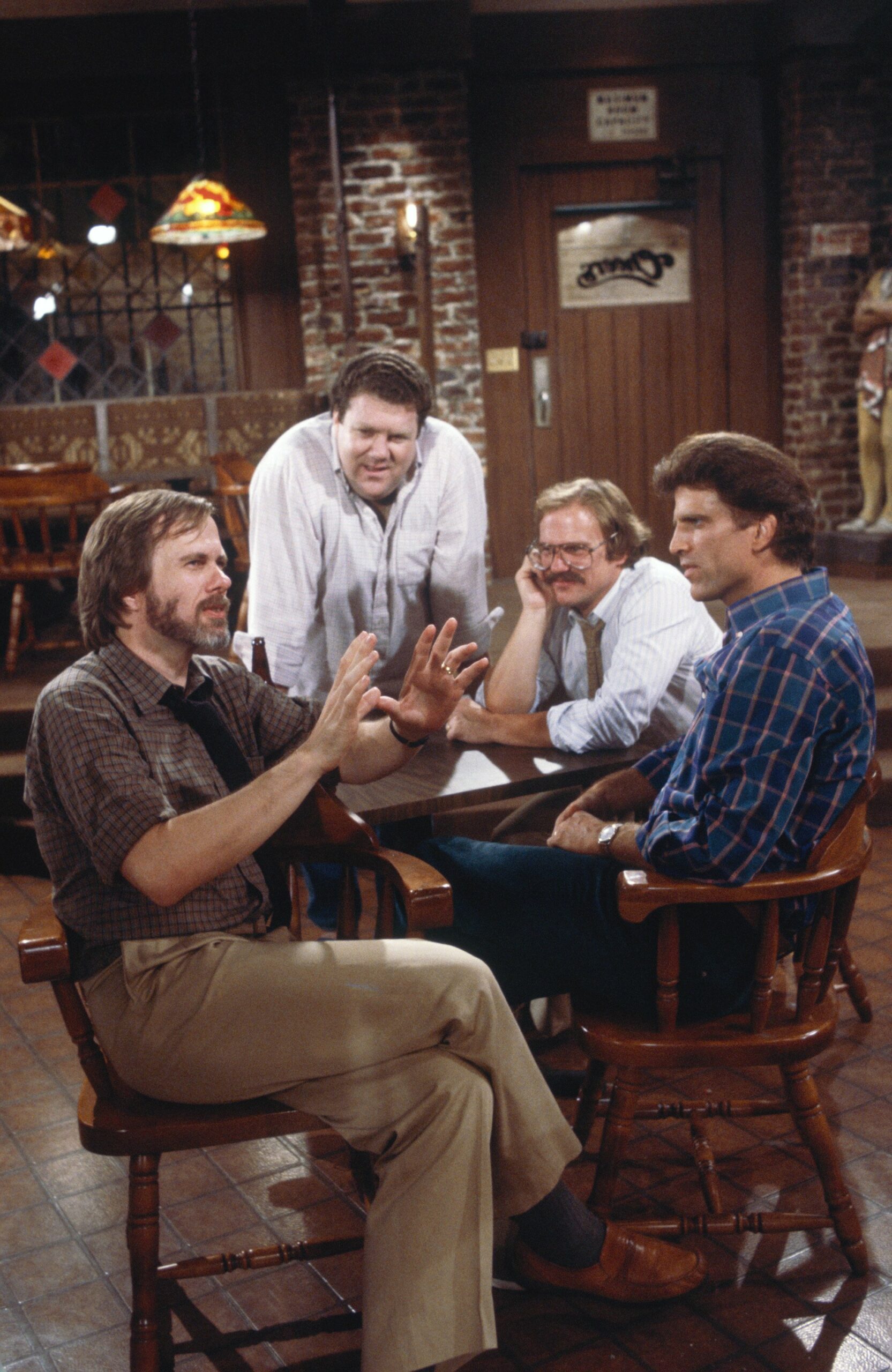
Glen Charles, an esteemed American screenwriter and television producer, boasts a substantial net worth of $300 million. Alongside his brother Les Charles, Glen earned a significant portion of his wealth by co-creating the iconic sitcom “Cheers.” The Charles brothers’ contributions to television have left an indelible mark on the entertainment industry, securing their place among the most influential figures in TV history.
Early Life and Education
Glen Charles was born on February 8, 1943, in Henderson, Nevada. His younger brother, Les, was born five years later. The Charles brothers were raised in a devout household as members of the Church of Jesus Christ of Latter-day Saints. They both attended the University of Redlands in California, where Glen graduated in 1965, and Les followed in 1971.
Transition to Television Writing
Glen Charles began his career as an advertising copywriter before transitioning to television in the mid-1970s. His first screenwriting credit came in 1975 with the CBS series “MAS*H,” co-writing the season-four episode “The Late Captain Pierce” with his brother Les. The success of this episode opened doors for the Charles brothers, leading them to write for the sitcom “Doc” and eventually “Phyllis,” a spinoff of “The Mary Tyler Moore Show.” They continued to write for “Phyllis” until its conclusion in 1977.
Breakthrough with “Taxi”
In 1978, Glen and Les Charles joined the writing team for the ABC sitcom “Taxi.” Their tenure on the show was marked by critical acclaim and multiple Emmy Award nominations. The brothers wrote numerous episodes, contributing to the show’s success until 1982. Their work on “Taxi” solidified their reputation as talented and innovative screenwriters.
Creating “Cheers”
The pinnacle of Glen Charles’s career came with the creation of “Cheers” in 1982. Alongside his brother Les and television director James Burrows, they formed the production company Charles/Burrows/Charles. “Cheers” was set in a Boston bar and focused on a group of locals who gathered to socialize and escape their daily woes. The show featured an ensemble cast including Ted Danson, Shelley Long, Nicholas Colasanto, Rhea Perlman, George Wendt, Kelsey Grammer, and Woody Harrelson.
“Cheers” quickly became a cultural phenomenon, running for 11 seasons until 1993. The show garnered numerous awards, including multiple Emmy Awards for Outstanding Comedy Series and Outstanding Writing for a Comedy Series. The Charles brothers wrote 12 episodes, including the pilot and the series finale, which are considered some of the best-written episodes in television history.
Television Accolades
Glen and Les Charles’s work on “Cheers” and “Taxi” earned them several prestigious awards. They won Primetime Emmys for Outstanding Comedy Series for “Taxi” in 1979, 1980, and 1981, and for “Cheers” in 1983, 1984, 1989, and 1991. Additionally, they received the Writers Guild of America Laurel Award for TV Writing Achievement in 2002. These accolades underscore the brothers’ exceptional talent and lasting impact on television.
Film Career
While primarily known for their television work, Glen and Les Charles ventured into film with the 1999 dramedy “Pushing Tin.” Directed by Mike Newell, the film starred John Cusack as an air traffic controller embroiled in a rivalry with a colleague, played by Billy Bob Thornton. Despite a star-studded cast that included Cate Blanchett and Angelina Jolie, the film received mixed reviews and underperformed at the box office.
Legacy and Impact
The Charles brothers’ contributions to television extend beyond their award-winning shows. They influenced a generation of writers and producers, setting a high standard for sitcoms with their sharp wit, engaging characters, and relatable storylines. “Cheers” and “Taxi” remain beloved classics, continuously rewatched and celebrated by fans worldwide.
Historical Context and Industry Influence
The success of “Cheers” can be attributed to its timing and the cultural landscape of the 1980s. During this era, television was evolving, and audiences were seeking more sophisticated and character-driven narratives. “Cheers” delivered this with its ensemble cast and barroom setting, offering a microcosm of society where diverse characters could interact and develop.
Glen and Les Charles’s writing captured the zeitgeist of the time, blending humor with deeper, more poignant moments. This approach resonated with viewers and set a precedent for future sitcoms. Their work demonstrated that television comedy could be both entertaining and meaningful, paving the way for shows that followed.
Financial Insights
Glen Charles’s $300 million net worth is a testament to the commercial success of his projects. The longevity and syndication of “Cheers” alone contributed significantly to his wealth. Syndication deals, DVD sales, and streaming rights continue to generate substantial revenue, ensuring a steady income stream long after the original airing of the show.
In addition to television earnings, the Charles brothers likely benefited from lucrative contracts, production deals, and residuals from their work. Their financial success underscores the value of quality writing and production in the entertainment industry.
Conclusion
Glen Charles’s remarkable career as a screenwriter and television producer has left an indelible mark on the entertainment industry. With a net worth of $300 million, his success is a reflection of his talent, creativity, and dedication. From the early days of “MAS*H” to the enduring legacy of “Cheers,” Glen Charles has crafted stories that resonate with audiences across generations. His work continues to inspire and entertain, cementing his place as one of television’s most influential figures.


