
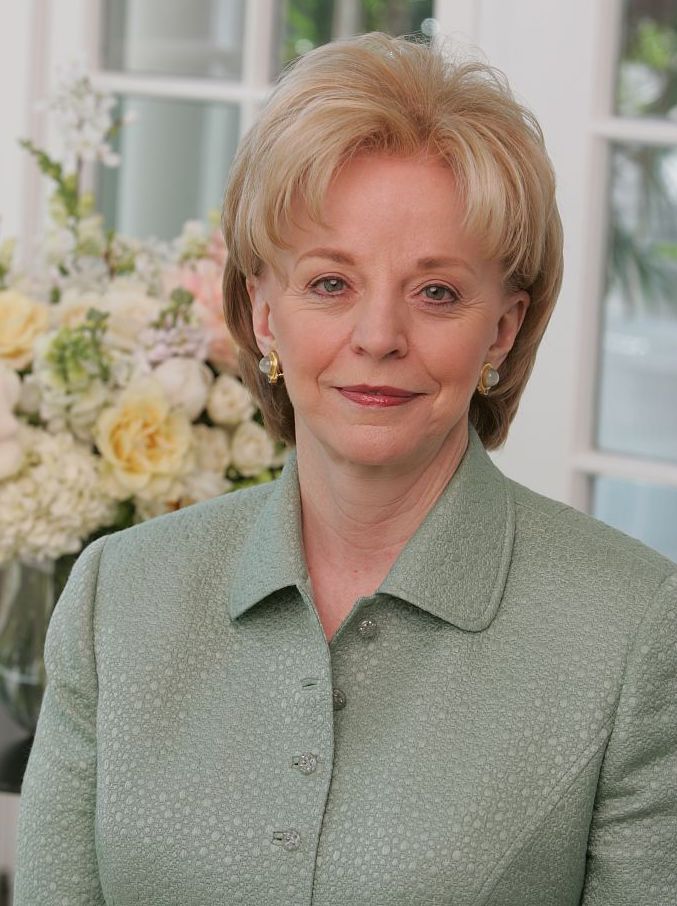
Lynne Cheney is a distinguished figure in American politics, literature, and education. Known for her influential roles and extensive contributions, Cheney’s financial standing has often been a topic of interest. This article delves into her earnings and overall wealth, offering detailed insights, explanations, and historical context to provide a comprehensive understanding of her financial journey.
Early Career and Education
Lynne Cheney’s path to prominence began with her academic pursuits. She earned a Bachelor of Arts degree in English literature from Colorado College and later completed a Master of Arts degree from the University of Colorado. Her academic achievements laid the foundation for her subsequent career as a writer, scholar, and public figure.
Literary and Academic Contributions
Lynne Cheney’s career as an author and scholar has significantly contributed to her earnings and wealth. She has written numerous books, ranging from historical and political non-fiction to children’s literature. Her works include titles such as “We the People: The Story of Our Constitution,” “A Time for Freedom: What Happened When in America,” and “Blue Skies, No Fences: A Memoir of Childhood and Family.”
Cheney’s books have been well-received, earning her a substantial income through book sales, royalties, and speaking engagements. Her expertise in American history and politics has also made her a sought-after speaker, further augmenting her earnings. As an academic, she has held various positions, including serving as a senior fellow at the American Enterprise Institute, a prominent conservative think tank. Her contributions to academia and literature have not only enhanced her reputation but also her financial portfolio.
Political and Public Service Roles
Lynne Cheney’s political engagement, particularly her role as the Second Lady of the United States during her husband Dick Cheney’s vice presidency from 2001 to 2009, has also impacted her earnings and wealth. While the position of Second Lady does not come with a salary, it does provide significant visibility and opportunities for influence.
During her tenure as Second Lady, Cheney focused on promoting education and literacy. She chaired the National Endowment for the Humanities from 1986 to 1993, where she played a crucial role in advancing humanities education in the United States. Although these roles were primarily public service-oriented, they bolstered her public profile and opened avenues for further professional and financial opportunities.
Investments and Financial Management
Lynne Cheney’s wealth is not solely derived from her earnings as an author and public figure. Like many individuals with substantial net worth, she has likely engaged in various investment activities. These investments could include real estate, stocks, bonds, and other financial instruments that contribute to her overall wealth.
Given her husband’s prominent political career and their combined financial acumen, it is reasonable to assume that the Cheneys have managed their finances prudently. Investments in property and other assets have likely played a significant role in growing and preserving their wealth over the years.
Estimating Lynne Cheney’s Net Worth
Estimating Lynne Cheney’s net worth involves considering her diverse income streams and financial activities. Her earnings from book sales, royalties, speaking engagements, and academic positions form a significant portion of her wealth. Additionally, her investments and prudent financial management contribute to her overall net worth.
As of recent estimates, Lynne Cheney’s net worth is approximately $100 million. This figure reflects her successful career as an author, scholar, and public figure, as well as her strategic investments and financial planning. It is important to note that net worth estimates can vary based on market conditions, investment performance, and other factors.
Historical Context and Nuances
Understanding Lynne Cheney’s wealth requires appreciating the historical context of her career and contributions. Her rise to prominence in the literary and political spheres came at a time when women’s roles in these fields were evolving. Cheney’s achievements as an author and scholar have broken barriers and set precedents for future generations.
Her tenure as the Second Lady of the United States also occurred during a transformative period in American politics, marked by significant events and challenges. Cheney’s focus on education and literacy during this time highlighted the importance of these issues in the national discourse.
Philanthropy and Legacy
Philanthropy is a significant aspect of Lynne Cheney’s life and legacy. Throughout her career, she has supported various causes and initiatives aimed at improving education and promoting historical literacy. Her philanthropic efforts reflect her commitment to giving back to the community and making a positive impact on society.
Through charitable donations and support for educational institutions, Cheney has contributed to the betterment of American society. Her philanthropic activities not only enhance her legacy but also underscore the broader impact of her work and wealth.
Conclusion
Lynne Cheney’s financial journey is a testament to her multifaceted career and contributions to literature, academia, and public service. From her early academic achievements to her tenure as the Second Lady of the United States, Cheney has demonstrated a commitment to excellence and a passion for education and history. Her wealth, estimated at around $100 million, reflects her diverse income streams, prudent financial management, and strategic investments.
Understanding the nuances and historical context of Lynne Cheney’s financial journey provides valuable insights into the factors that have shaped her wealth and continue to influence her legacy. Her contributions to literature, education, and public service have left an indelible mark on American society, underscoring the importance of her work and the impact of her wealth.


