
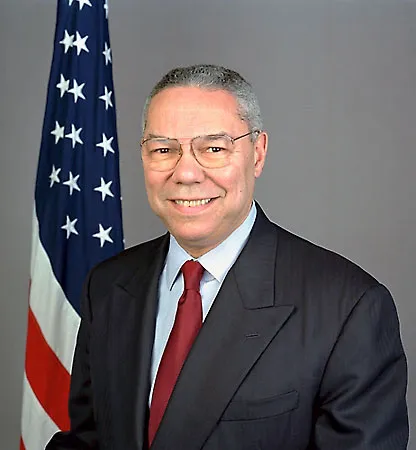
Colin Powell, a name synonymous with leadership, military service, and diplomacy, has made a significant impact on American and global affairs. Known for his roles as a four-star general, National Security Advisor, Chairman of the Joint Chiefs of Staff, and Secretary of State, Powell’s financial journey reflects his illustrious career. This article delves into Colin Powell’s earnings and wealth, providing detailed insights, explanations, and historical context to offer a comprehensive understanding of his financial standing.
Early Life and Military Career
Colin Luther Powell was born on April 5, 1937, in Harlem, New York City, to Jamaican immigrant parents. He grew up in the South Bronx and attended the City College of New York (CCNY), where he participated in the Reserve Officers’ Training Corps (ROTC). Powell’s military career began in earnest when he was commissioned as a second lieutenant in the United States Army upon graduation in 1958.
Powell’s rise through the military ranks was marked by numerous leadership roles and notable accomplishments. He served two tours in Vietnam, where he earned numerous military decorations, including the Bronze Star and the Purple Heart. His military service laid the foundation for his subsequent roles in government and public service.
Earnings from Military Service
As a career military officer, Colin Powell’s earnings were primarily derived from his salary and benefits as an officer in the United States Army. By the time he retired as a four-star general in 1993, Powell’s salary was in line with the pay scale for the highest-ranking military officers. While military salaries are modest compared to the private sector, they come with substantial benefits, including pensions, healthcare, and housing allowances.
Upon retirement, Powell received a military pension, which provided a steady income stream. His distinguished service and leadership roles also opened the door to lucrative opportunities in the private sector and public speaking engagements.
Government Roles and Salaries
Colin Powell’s government service extended beyond his military career. He served as National Security Advisor under President Ronald Reagan, Chairman of the Joint Chiefs of Staff under Presidents George H.W. Bush and Bill Clinton, and Secretary of State under President George W. Bush.
As National Security Advisor, Powell’s salary was aligned with the executive pay scale for senior government officials. Similarly, his roles as Chairman of the Joint Chiefs of Staff and Secretary of State came with significant responsibilities and commensurate salaries. As Secretary of State, Powell’s annual salary was approximately $186,000. While these salaries are modest compared to private sector executive compensation, they reflect the high level of public trust and responsibility associated with these positions.
Private Sector Earnings and Public Speaking
After retiring from public service, Colin Powell capitalized on his extensive experience and public profile by engaging in various private sector activities. He joined the boards of several prominent corporations, including AOL, Gulfstream Aerospace, and Salesforce. These board positions came with substantial compensation packages, including salaries, stock options, and other incentives.
Powell also became a sought-after public speaker, commanding high fees for his appearances. His speeches, often focused on leadership, international relations, and public service, drew large audiences and added significantly to his income. Public speaking engagements can earn high-profile figures like Powell hundreds of thousands of dollars per appearance, contributing substantially to their overall wealth.
Investments and Financial Management
In addition to his earnings from military service, government roles, and private sector activities, Colin Powell likely engaged in strategic investments to grow and preserve his wealth. High-net-worth individuals typically diversify their investments across various asset classes, including stocks, bonds, real estate, and private equity. These investments provide additional income streams and contribute to the growth of their net worth.
Powell’s background and connections likely provided him with access to exclusive investment opportunities, enhancing his ability to grow his wealth. His financial management practices, including prudent spending, saving, and investing strategies, played a crucial role in building and maintaining his financial standing.
Estimating Colin Powell’s Net Worth
Estimating Colin Powell’s net worth involves considering his diverse income streams and financial activities. His earnings from military and government salaries, private sector board positions, public speaking engagements, and strategic investments form the core of his wealth. Additionally, his prudent financial management practices contribute to his overall net worth.
As of recent estimates, Colin Powell’s net worth is approximately $60 million. This figure reflects his successful career in both public service and the private sector, his ability to monetize his expertise effectively, and his strategic investments. It is important to note that net worth estimates can vary based on market conditions, investment performance, and other factors.
Historical Context and Industry Impact
Understanding Colin Powell’s wealth requires appreciating the historical context of his career and contributions to various fields. Powell’s rise to prominence occurred during significant periods of American military and political history, including the Vietnam War, the end of the Cold War, and the post-9/11 era. His leadership and service during these times were instrumental in shaping U.S. military and foreign policy.
Powell’s influence extends beyond his financial success. His ability to navigate complex issues, build consensus, and implement effective policies has left a lasting impact on the military, government, and international relations. His contributions to public service and his role as a trailblazer for African Americans in leadership positions underscore the significance of his work.
Philanthropy and Personal Interests
Colin Powell’s wealth has enabled him to engage in philanthropic activities and support various causes. He and his wife, Alma Powell, founded America’s Promise Alliance, a nonprofit organization dedicated to improving the lives of children and youth in the United States. Powell’s philanthropic efforts reflect his commitment to giving back to society and making a positive impact.
Powell’s personal interests, including his passion for education and leadership development, have influenced his philanthropic endeavors. Supporting educational institutions, leadership programs, and community initiatives aligns with his background and personal values, further enhancing his legacy beyond his professional achievements.
Conclusion
Colin Powell’s financial journey is a testament to his ability to excel in both public service and the private sector. From his early days as a military officer to his roles in government and beyond, Powell has demonstrated a keen understanding of leadership, strategy, and effective management.
His wealth, estimated at around $60 million, reflects his diverse income streams, prudent financial management, and strategic investments. Understanding the nuances and historical context of Colin Powell’s financial journey provides valuable insights into the factors that have shaped his wealth and continue to influence his legacy. His contributions to military service, government, and philanthropy underscore the significance of his work and the financial success that has accompanied it.


