
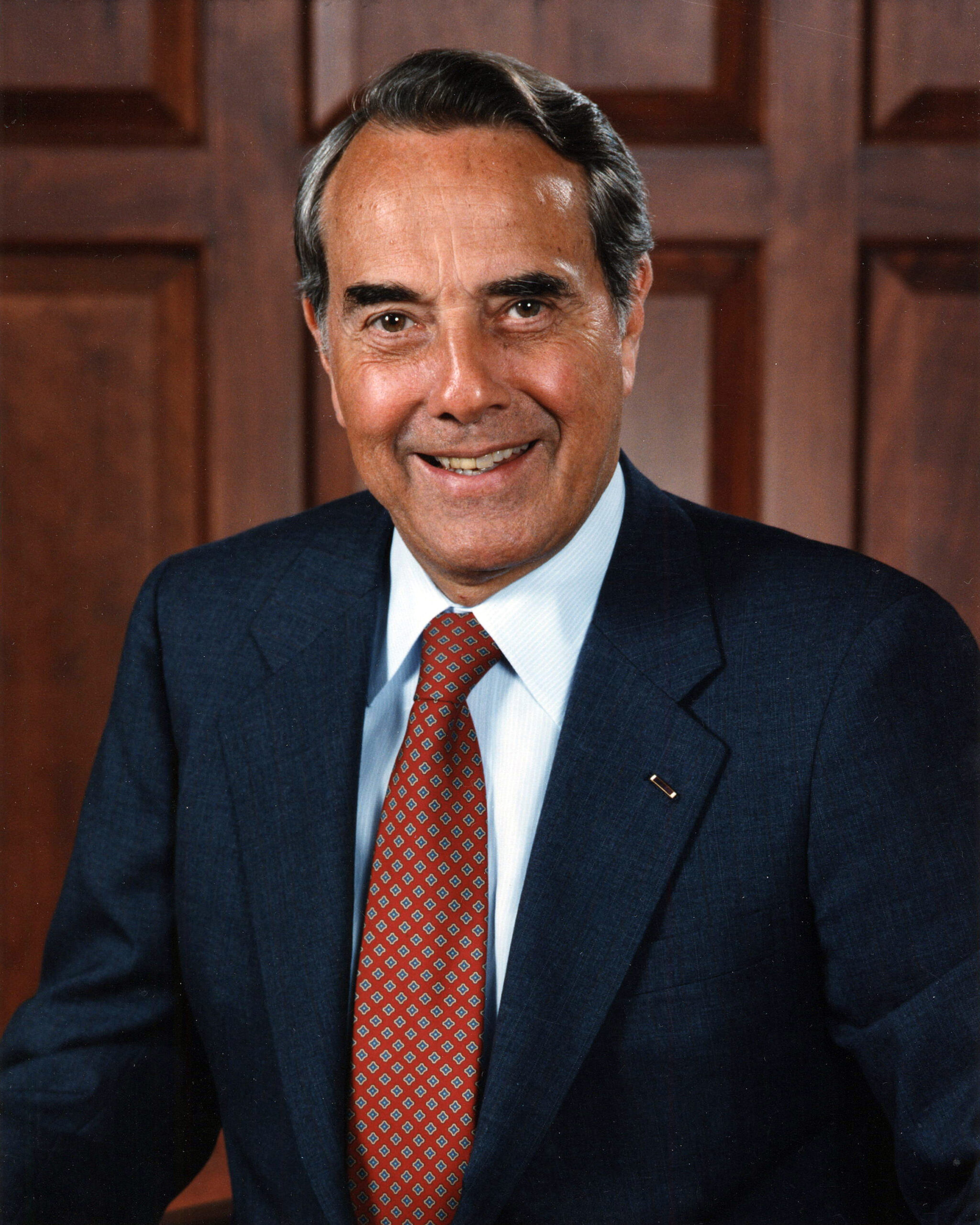
Bob Dole, an iconic figure in American politics, is renowned for his long and distinguished career in public service. Known for his roles as a U.S. Senator, Senate Majority Leader, and the Republican nominee for President in 1996, Dole’s legacy is marked by his commitment to his country and his influential political career. This article delves into Bob Dole’s earnings and wealth, providing detailed insights, explanations, and historical context to offer a comprehensive understanding of his financial journey.
Early Life and Military Service
Robert Joseph Dole was born on July 22, 1923, in Russell, Kansas. Growing up during the Great Depression, Dole’s early life was marked by hardship and resilience. He attended the University of Kansas but left to serve in World War II. As a second lieutenant in the U.S. Army’s 10th Mountain Division, Dole was seriously injured in combat, which led to a lengthy recovery and left him with a permanent disability in his right arm.
Political Career and Earnings
Dole’s political career began in 1950 when he was elected to the Kansas House of Representatives. He later served as Russell County Attorney before being elected to the U.S. House of Representatives in 1960. In 1968, Dole won a seat in the U.S. Senate, where he served until 1996. During his time in the Senate, Dole held several key positions, including Senate Majority Leader, making him one of the most influential politicians of his time.
As a U.S. Senator, Dole earned a salary that, while substantial for public service, was modest compared to private sector earnings. Senate salaries have varied over the years, but during Dole’s tenure, the annual salary for a senator ranged from approximately $30,000 in the 1970s to around $133,600 by the mid-1990s. As Senate Majority Leader, Dole earned a slightly higher salary due to the additional responsibilities and leadership duties associated with the role.
Presidential Campaigns and Public Speaking
Bob Dole ran for President of the United States three times, securing the Republican nomination in 1996. While his presidential campaigns were high-profile and costly, they did not directly contribute to his personal wealth. However, the visibility and connections gained through his presidential bids enhanced his post-political career opportunities.
After retiring from the Senate, Dole became a sought-after public speaker and author. His speaking engagements, which often focused on his experiences in politics, leadership, and public service, commanded high fees. Public speaking has been a significant source of income for Dole, reflecting his continued influence and popularity.
Corporate Boards and Consulting
Following his retirement from the Senate, Dole leveraged his extensive experience and connections by serving on corporate boards and engaging in consulting work. He joined the Washington law firm Verner, Liipfert, Bernhard, McPherson, and Hand, which later became part of DLA Piper. His role as a senior advisor and consultant provided a lucrative income stream, as law firms and corporations highly valued his expertise and insight.
Dole’s work with various corporations and organizations, including his role as an advisor to the pharmaceutical industry, further augmented his income. These positions often come with substantial compensation, including salaries, bonuses, and stock options.
Investments and Financial Management
Like many individuals with significant earnings, Bob Dole likely engaged in strategic investments to grow and preserve his wealth. Investments in stocks, bonds, real estate, and other financial instruments provide additional income streams and contribute to the overall growth of one’s net worth.
Dole’s background in law and public service likely equipped him with the skills necessary for prudent financial planning and investment management. His diversified investment portfolio and strategic financial decisions have been key factors in building and maintaining his wealth.
Estimating Bob Dole’s Net Worth
Estimating Bob Dole’s net worth involves considering his diverse income streams and financial activities. His earnings from a lengthy political career, public speaking engagements, corporate board positions, consulting work, and strategic investments form the core of his wealth. Additionally, his prudent financial management practices contribute to his overall net worth.
As of recent estimates, Bob Dole’s net worth is approximately $40 million. This figure reflects his successful career in public service, his ability to monetize his experience and expertise effectively, and his strategic investments. It is important to note that net worth estimates can vary based on market conditions, investment performance, and other factors.
Historical Context and Industry Impact
Understanding Bob Dole’s wealth requires appreciating the historical context of his career and contributions to American politics. Dole’s rise to prominence occurred during a period of significant political and economic change, and his leadership in the Senate was instrumental in shaping legislative priorities and policies.
Dole’s influence extends beyond his financial success. His ability to navigate complex political landscapes and build bipartisan support for key initiatives has left a lasting impact on the legislative process and American governance. His work on behalf of veterans and individuals with disabilities, including the passage of the Americans with Disabilities Act, underscores his commitment to public service and advocacy.
Philanthropy and Personal Interests
While Bob Dole is best known for his political career, his wealth has also enabled him to engage in philanthropic activities. Dole and his wife, Elizabeth Dole, a former U.S. Senator and presidential candidate, have supported various charitable causes through the Dole Foundation. Their philanthropic efforts focus on issues such as veterans’ support, disability rights, and education.
Dole’s personal interests, including his passion for public service and advocacy, influence his philanthropic endeavors. Supporting veterans’ organizations and initiatives that promote disability rights aligns with his background and personal values, further enhancing his legacy beyond his professional achievements.
Conclusion
Bob Dole’s financial journey is a testament to his ability to excel in both public service and the private sector. From his early days in the Kansas House of Representatives to his influential role in the U.S. Senate and his post-political career, Dole has demonstrated a keen understanding of governance and a remarkable ability to leverage his experience and expertise.
His wealth, estimated at around $40 million, reflects his diverse income streams, prudent financial management, and strategic investments. Understanding the nuances and historical context of Bob Dole’s financial journey provides valuable insights into the factors that have shaped his wealth and continue to influence his legacy. His contributions to American politics, public service, and philanthropy underscore the significance of his work and the financial success that has accompanied it.


