
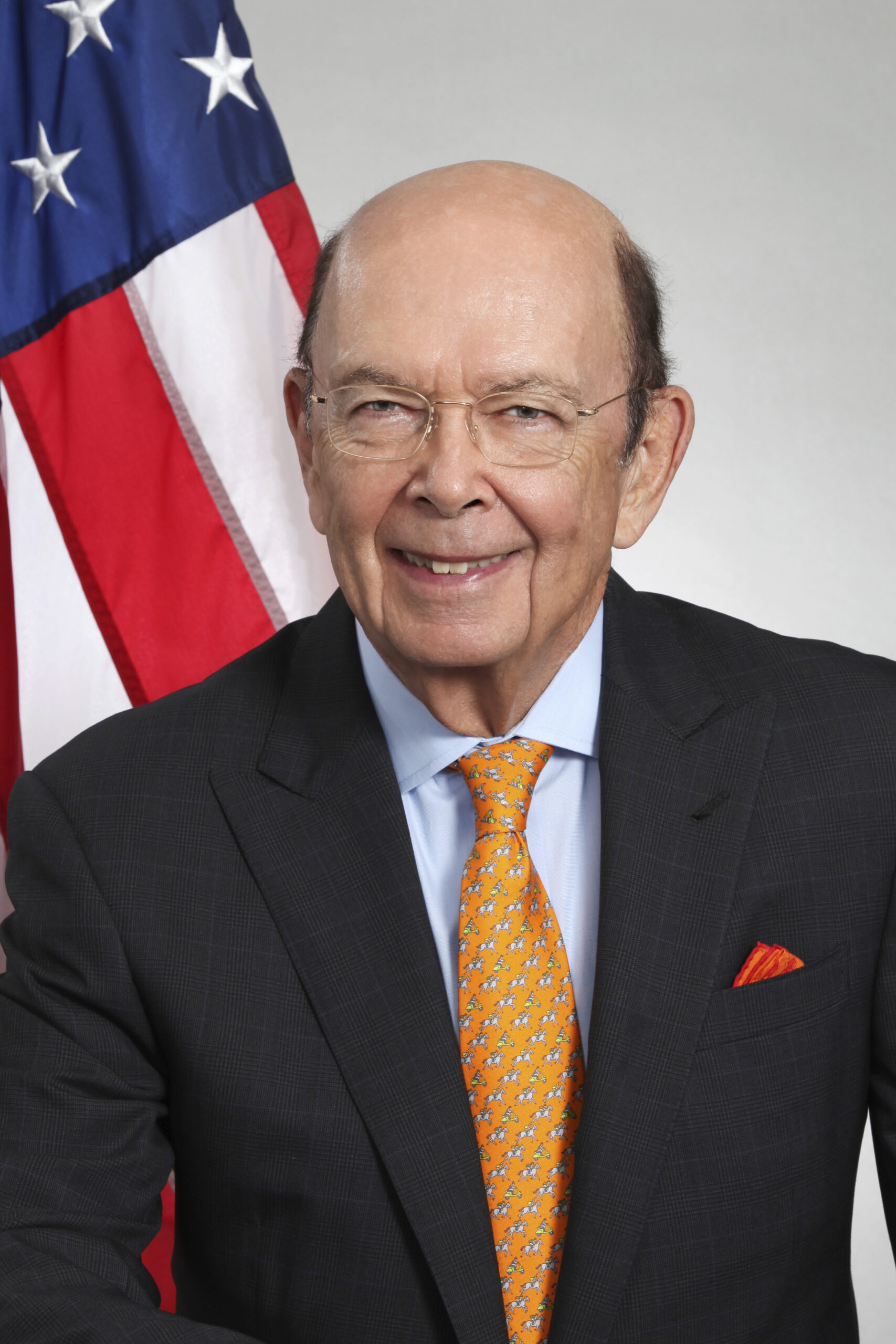
Wilbur Ross, an American investor and former United States Secretary of Commerce, is renowned for his expertise in restructuring failed companies across various industries. Known for his specialization in leveraged buyouts and distressed businesses, Ross has carved out a significant niche in the financial world. This article delves into Wilbur Ross’s earnings, wealth, and the intricacies of his financial journey, providing a comprehensive overview for those interested in his financial standing.
Early Life and Education
Wilbur Ross was born on November 28, 1937, in Weehawken, New Jersey. He grew up in a financially well-off family in suburban New Jersey. Ross’s commitment to education was evident from an early age, as he commuted two hours each day from New Jersey to attend an elite Catholic college prep school in Manhattan. He went on to earn his undergraduate degree from Yale College, following in his father’s footsteps, and later received an MBA from Harvard Business School. These prestigious educational credentials laid a strong foundation for his future career in finance.
Career Beginnings
Ross’s entry into the financial world began with a summer job on Wall Street, facilitated by his faculty advisor at Yale. In the mid-1970s, Ross established his reputation as a bankruptcy advisor, positioning himself as a key figure in cleaning up the mess created by the junk-bond financing trend led by Michael Milken. His role as a bankruptcy advisor allowed him to gain deep insights into the financial restructuring of distressed companies.
Founding WL Ross & Company
In 2000, Wilbur Ross took a significant step by buying out his equity fund from Rothschild and founding WL Ross & Company in New York. This move marked a turning point in his career, allowing him to fully leverage his expertise in managing distressed assets and leveraged buyouts. His firm quickly gained a reputation for its ability to turn around failing companies, particularly in the steel, coal, telecommunications, foreign investment, and textiles industries.
Key Investments and Restructurings
Ross’s firm played a pivotal role in the restructuring of several high-profile companies. One notable example is the revival of several American steel companies, which he acquired during a period when the industry was in decline. By implementing strategic operational improvements and navigating complex financial landscapes, Ross successfully revitalized these companies, ultimately selling them for substantial profits.
Earnings and Wealth Accumulation
As of 2024, Wilbur Ross’s net worth is estimated to be around $860 million. This impressive figure reflects his successful investments, strategic financial decisions, and his role in managing and restructuring distressed businesses. Ross’s earnings come from various sources, including his leadership role at WL Ross & Company, advisory positions, and his tenure as Secretary of Commerce.
Executive Compensation
As the founder and CEO of WL Ross & Company, Ross’s compensation includes a combination of salary, performance-based bonuses, and equity stakes in the companies he restructures. His expertise in turning around distressed assets has consistently led to substantial financial rewards. Additionally, his role in managing a private-equity fund within Rothschild before founding his own firm contributed to his wealth accumulation.
Investment Returns
Ross’s investment strategy focuses on acquiring undervalued, distressed companies and implementing operational and financial restructurings to enhance their value. His ability to identify potential in failing businesses and execute effective turnaround strategies has resulted in significant returns on investment. This approach has been particularly successful in industries such as steel and coal, where he has revitalized companies and sold them at a profit.
Government Service
Wilbur Ross’s wealth and earnings also include his tenure as the United States Secretary of Commerce under President Donald Trump. Serving from February 2017 to January 2021, Ross played a crucial role in shaping trade policies and promoting economic growth. While government salaries are typically modest compared to private sector earnings, his high-profile position added to his overall financial standing and influence.
Philanthropy and Personal Life
Beyond his financial success, Wilbur Ross is known for his philanthropic efforts. He manages a philanthropic foundation that supports various causes, particularly those focused on Jewish heritage and education. Ross has been involved in numerous charitable activities and serves on the board of advisors for the Yale School of Management.
Educational Contributions
Ross has made significant donations to educational institutions, including his alma maters, Yale and Harvard. He believes in the transformative power of education and has funded scholarships, research initiatives, and educational programs aimed at fostering academic excellence and providing opportunities for future generations.
Community Development and Cultural Preservation
Ross’s philanthropic efforts extend to community development and cultural preservation. His foundation supports initiatives that promote cultural heritage, community building, and social welfare. These contributions reflect his commitment to giving back to society and enhancing the quality of life for underserved communities.
The Nuances of Ross’s Wealth
Understanding Wilbur Ross’s wealth requires an exploration of the nuances of leveraged buyouts, distressed asset management, and strategic financial restructurings. Unlike traditional investments, managing distressed businesses involves a complex interplay of financial expertise, operational improvements, and market insights.
Investment Philosophy
Ross’s investment philosophy is rooted in identifying undervalued, distressed companies with potential for turnaround. He emphasizes thorough due diligence, strategic planning, and operational improvements to enhance the value of these companies. This disciplined approach has been a key factor in his success, allowing him to transform failing businesses into profitable entities.
Risk Management
Effective risk management is crucial in Ross’s investment strategy. Acquiring distressed assets involves significant risks, including financial instability, operational challenges, and market volatility. Ross’s ability to manage these risks through comprehensive analysis, strategic planning, and proactive management has been instrumental in his financial success.
Influence and Network
Ross’s extensive network and influence in the financial industry have played a significant role in his success. His connections with influential figures and access to valuable information have enhanced his investment strategies and contributed to his wealth accumulation. These relationships have provided opportunities for strategic partnerships and collaborative ventures.
Challenges and Controversies
Ross’s career has not been without challenges and controversies. His role in restructuring distressed companies often involves tough decisions, including layoffs and cost-cutting measures, which can lead to public scrutiny and criticism. Additionally, his tenure as Secretary of Commerce faced scrutiny over potential conflicts of interest and ethical considerations. Despite these challenges, Ross has remained committed to his investment principles and continues to be a prominent figure in finance.
Conclusion
Wilbur Ross’s wealth and earnings are a result of his strategic investments, deep market understanding, and disciplined approach to managing distressed assets. With an estimated net worth of $860 million, he exemplifies the potential for substantial financial success in the finance industry. Beyond his financial achievements, Ross’s philanthropic efforts highlight his commitment to giving back to society and making a positive impact on the world.


