
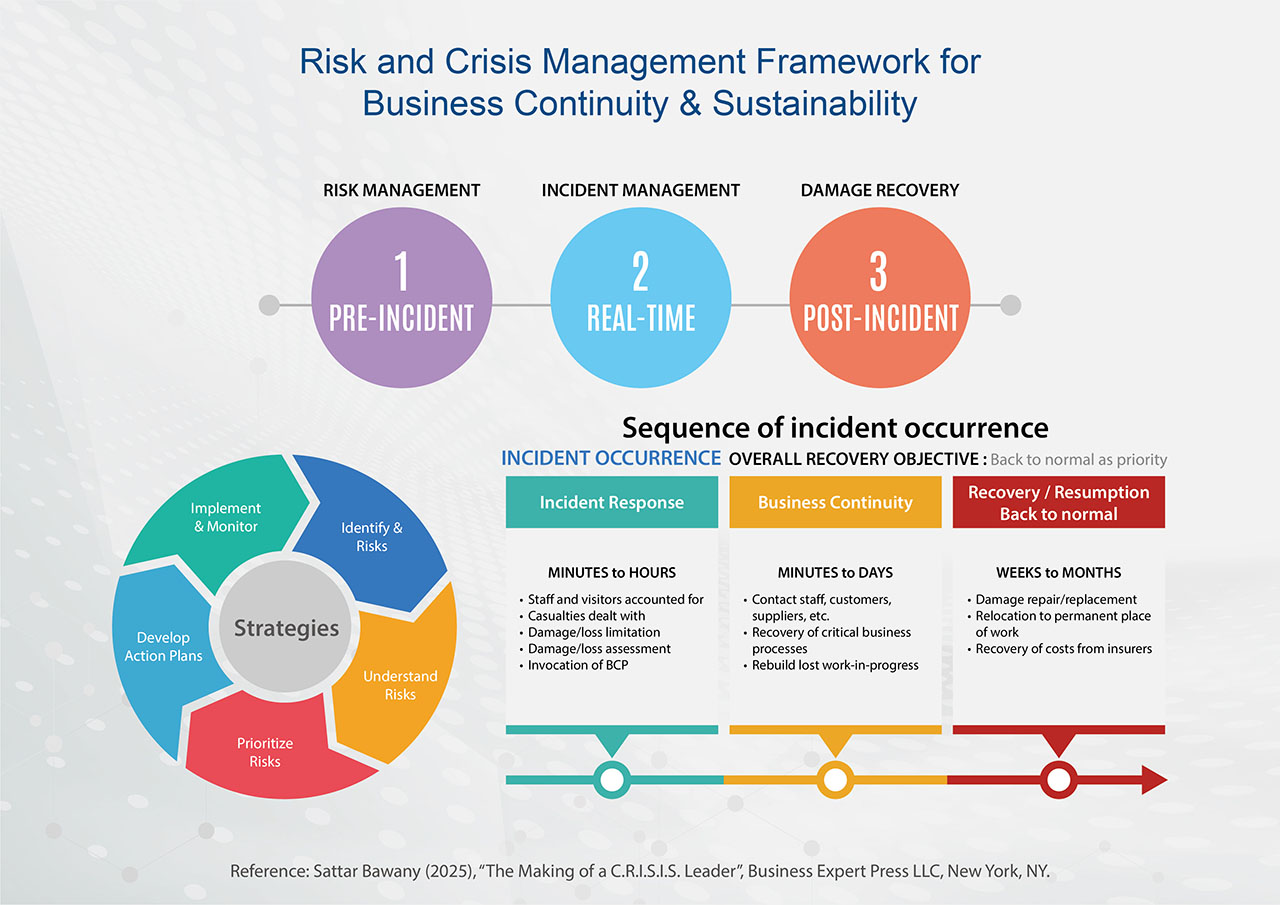
The COVID-19 pandemic has reshaped the global landscape, prompting a wave of reflection on leadership strategies and practices. As we emerge from this unprecedented crisis, it has become clear that the leaders who will thrive in this new world are those who adapt, inspire, and innovate. Whether you’re leading a small team or a large organization, the principles of effective leadership have evolved, urging us to rethink how we engage with our teams and communities.
This article outlines ten strategic approaches to leadership that will enable you to not only survive but thrive in a post-crisis world.
1. Embrace Emotional Intelligence
In times of crisis, emotional intelligence becomes a cornerstone of effective leadership. Understanding and managing your own emotions and those of your team members can foster a supportive work environment. Leaders should cultivate empathy, listen actively, and show appreciation for the challenges their people have faced. This not only builds trust but also encourages open communication, enabling your team to feel safe expressing their concerns and ideas.
2. Foster a Culture of Agility
The ability to pivot quickly in response to changing circumstances is crucial in today’s rapidly evolving landscape. Leaders should encourage a culture of agility, where flexibility and innovation are prioritized. This involves empowering your team to take risks, experiment with new ideas, and learn from failures. By embracing a mindset of adaptability, your organization can respond confidently to new challenges and seize opportunities born from change.
3. Prioritize Transparent Communication
During crises, uncertainty can create anxiety within teams. Prioritizing transparent communication helps mitigate this by keeping everyone informed about developments and decisions. Regularly updated briefings, open forums for discussion, and an approachable leadership style can help maintain a sense of security and morale. Transparency builds trust—an essential element for fostering a collaborative environment.
4. Encourage Collaboration and Teamwork
In a post-crisis world, collective efforts often yield the best results. Leaders should encourage collaboration across all levels of their organization. Break down silos and create interdisciplinary teams that bring diverse perspectives together to solve problems. Foster an environment where team members feel comfortable sharing their ideas and insights, as leveraging the strengths of varied skill sets will lead to greater innovation and effectiveness.
5. Invest in Employee Well-Being
Employee well-being has taken center stage in recent years, and for good reason. Leaders should be proactive in establishing programs and initiatives that focus on mental health, work-life balance, and overall wellness. This may include flexible working hours, wellness workshops, or access to mental health resources. Investing in your team’s well-being will yield higher job satisfaction, improved productivity, and lower turnover rates.
6. Champion Continuous Learning
In a world that continues to change rapidly, continuous learning is no longer a luxury—it’s a necessity. Leaders should foster a culture of lifelong learning by encouraging employees to pursue professional development and further their education. This can be through workshops, online courses, mentoring programs, or simply by sharing valuable resources. By promoting a growth mindset, leaders not only empower their teams but also position their organizations for future success.

- Overcome negative thought patterns, reduce stress, and live a worry-free life
- Overthinking is the biggest cause of unhappiness
- Don't get stuck in a never-ending thought loop
- Stay present and keep your mind off things that don't matter, and never will
- Break free of your self-imposed mental prison
7. Build Resilience Through Empowerment
Empowering your team can lead to greater resilience, allowing them to tackle challenges head-on. This involves delegating authority, providing resources, and encouraging decision-making at all levels. When team members feel trusted and capable, they are more likely to take initiative and develop creative solutions during times of uncertainty. Resilient teams can adapt to change and unexpected obstacles, ultimately driving the organization forward.
8. Lead by Example with Authenticity
Authenticity in leadership is more important than ever. In a post-crisis environment, leaders should be genuine in their actions and decision-making processes. Share your own challenges and vulnerabilities, as this fosters a connection with your team and encourages them to be open as well. Leading by example not only builds relatability but also inspires others to approach their work with the same level of integrity and transparency.
9. Cultivate Inclusivity and Diversity
Diversity and inclusivity are not simply buzzwords; they are essential elements of contemporary leadership. A diverse team can provide a broader range of perspectives, experiences, and ideas, which enhances creativity and innovation. Leaders should actively cultivate an inclusive culture, ensuring that all voices are heard and valued. This involves not only hiring diverse talent but also implementing practices that support equity and inclusion within the workplace.
10. Focus on Long-Term Vision and Sustainability
Finally, as we transition into a post-crisis world, leaders should maintain a focus on long-term vision and sustainability. This means not just responding to immediate challenges, but also planning for the future. Leaders should consider the environmental, social, and economic impacts of their decisions, and strive to create a sustainable legacy. By instilling a sense of purpose in your organization, you can inspire your team to contribute positively to society while driving results.
Conclusion
Thriving in a post-crisis world requires a shift in leadership strategies. By embracing emotional intelligence, fostering agility, prioritizing transparent communication, and investing in employee well-being, leaders can navigate the complexities of the new normal. Empowering teams, championing continuous learning, and leading with authenticity create an environment where resilience flourishes. Moreover, prioritizing inclusivity, diversity, and long-term sustainability ensures that organizations not only survive but thrive amid uncertainty.
The leadership landscape has undoubtedly transformed, but with the right strategies, you can inspire your team to embrace change, innovate, and succeed in a world that is constantly evolving. The opportunity is here—seize it with confidence!


