
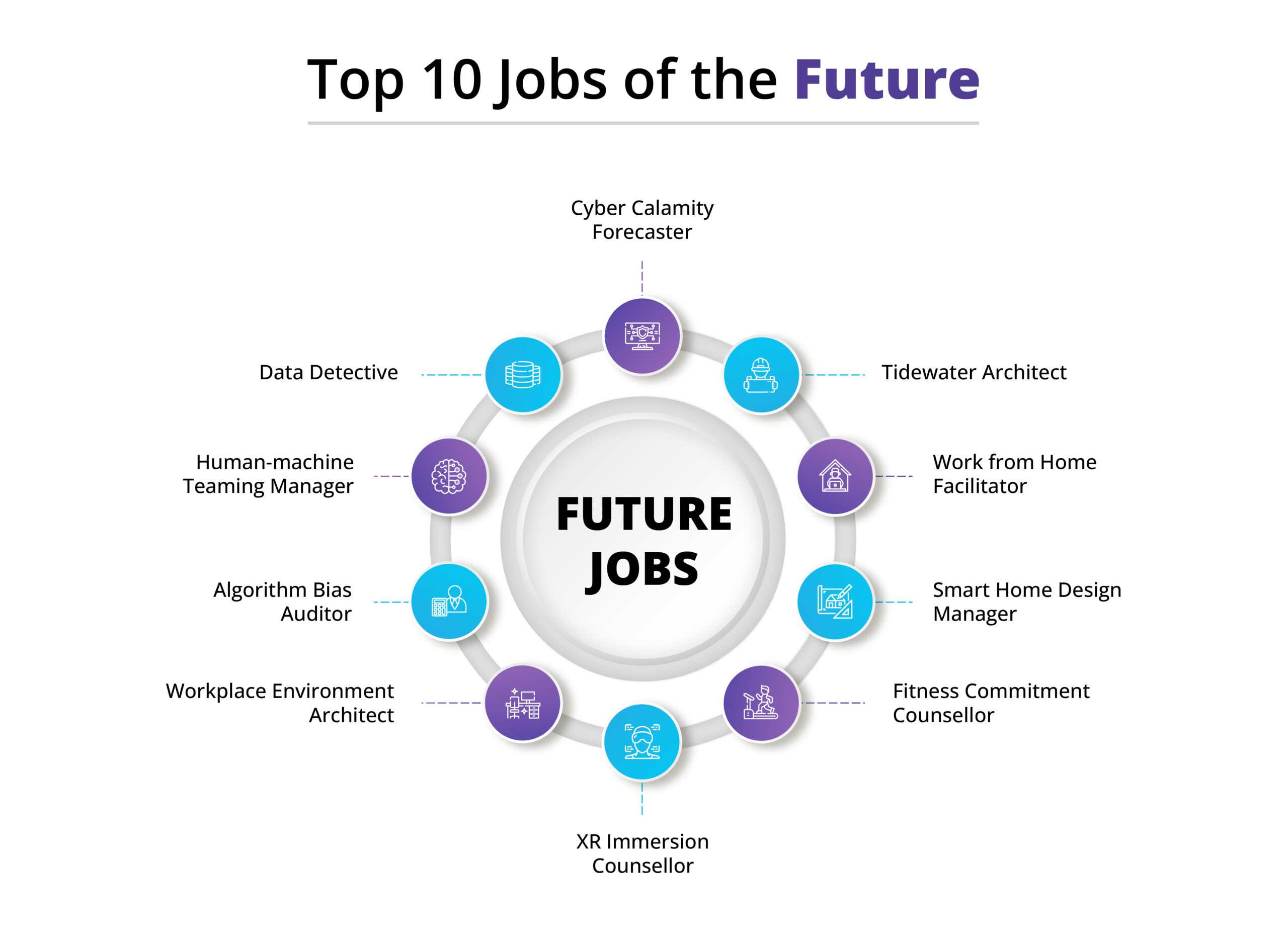
As we speed into the future, the way we work is evolving at an unprecedented pace. The COVID-19 pandemic served as a catalyst for change, accelerating trends that were already beginning to take hold. With technological advances, shifting cultural values, and a growing emphasis on work-life balance, it’s essential to look ahead. In this article, we’ll explore 10 predictions about the workplace of 2030, giving you insights into how you can prepare for the changes ahead.
1. Remote Work Will Become the Norm
In 2020, remote work shifted from being a rare perk to a widespread necessity. By 2030, we predict that remote work will not only persist but will likely become the standard working arrangement across industries. Companies will embrace flexibility as they recognize the benefits: reduced overhead costs, access to a broader talent pool, and happier employees.
This shift will encourage businesses to invest heavily in technology, fostering digital collaboration tools that seamlessly integrate into employees’ daily routines. Expect to see virtual offices where teams can interact, brainstorm, and socialize through immersive technologies, such as VR and AR.
2. An Increased Focus on Mental Health
As the workplace transforms, so too does the conversation around mental health. By 2030, organizations will prioritize employees’ well-being like never before. Expect comprehensive mental health programs, stress reduction workshops, and increased access to mental health resources.
Companies will recognize that happy, healthy employees are more productive and engaged. Flexible schedules, mandatory breaks, and mental health days will become standard practices. In doing so, employers will foster a culture of openness and support, leading to decreased burnout and improved job satisfaction.
3. The Rise of AI and Automation
By 2030, artificial intelligence and automation will significantly reshape the work environment. Industries ranging from finance to healthcare will witness the emergence of AI-driven tools capable of executing routine tasks, analysis, and even decision-making processes.
While this may seem threatening to job security, the reality is that AI will create new opportunities and demand for skills such as creativity, empathy, and strategic thinking—qualities that machines cannot replicate. Professionals who focus on honing these human-centric skills will thrive in this new landscape.
4. The Gig Economy Will Expand
The gig economy is already burgeoning, and by 2030, it will be a predominant aspect of the workforce. More individuals will choose freelance and contract work for greater autonomy and the ability to diversify their income streams. Platforms connecting freelancers with employers will see exponential growth, and businesses will increasingly turn to this talent pool to access specialized skills.
This trend will also lead to a rethinking of employee benefits and protections, as the traditional employer-employee relationship shifts. Worker advocacy will become crucial, with calls for fair wages, health care access, and added job security for gig workers.
5. Emphasis on Diversity, Equity, and Inclusion
The movement toward more inclusive workplaces is already gaining momentum, but by 2030, expect this to transform the fabric of corporate culture. Organizations will prioritize diverse hiring practices, actively working to ensure that a variety of voices are represented at every level.
Leaders will recognize that diverse teams are more innovative and better at problem-solving. Fostering an inclusive environment will be critical not only for attracting top talent but also for maintaining employee engagement and retention.
6. The Workspace Will Shift Dramatically
Gone are the days of rigid cubicles and solitary offices. By 2030, we will see a dramatic shift toward flexible and adaptable workspaces, designed for collaboration and creativity. Expect to see open layouts with dedicated zones for different types of work—quiet areas for concentration, collaborative spaces for teamwork, and relaxation zones for breaks.
The aesthetic will also play a crucial role; sustainable designs will flourish, and nature-inspired concepts will be integrated, creating environments that promote well-being and enhance productivity.

- Overcome negative thought patterns, reduce stress, and live a worry-free life
- Overthinking is the biggest cause of unhappiness
- Don't get stuck in a never-ending thought loop
- Stay present and keep your mind off things that don't matter, and never will
- Break free of your self-imposed mental prison
7. Lifelong Learning Will Be Essential
With the rapid pace of technological advancement, continuous learning will be non-negotiable for professionals. By 2030, we anticipate a shift toward lifelong learning as a fundamental workplace expectation. Companies will support employee development through training programs, online courses, and mentorship opportunities.
Employees will need to embrace a mindset of adaptability, honing skills that align with evolving demands. Those who prioritize learning will be better positioned for advancement, enjoying enriched career paths and job satisfaction.
8. Health and Sustainability Will Be a Priority
As global concerns about climate change and public health persist, businesses will act on their social responsibilities. By 2030, expect sustainability and health initiatives to dominate the workplace agenda. Companies will implement eco-friendly practices, reduce their carbon footprints, and prioritize wellness in their policies.
Expect offices outfitted with green technologies, sustainable materials, and healthier food options in cafeterias. Commuting solutions, like bike-friendly facilities, will encourage environmentally conscious choices. Employees will also value organizations that make these commitments, affecting their loyalty and job satisfaction.
9. Performance Metrics Will Evolve
The traditional annual review is on its way out. By 2030, we will witness a paradigm shift in how employee performance is measured. Instead of rigid KPIs and quotas, organizations will adopt more holistic approaches to evaluation, focusing on collaboration, innovation, and impact.
The rise of continuous feedback will foster stronger relationships between employees and management, enabling talent development and ensuring alignment with company goals. This approach creates a more adaptive work environment, where employees feel supported and motivated to grow.
10. Virtual Reality Will Transform Training
Training and professional development will reach new heights in the workplace of 2030, thanks to advancements in virtual reality (VR) and augmented reality (AR) technologies. These immersive experiences will allow employees to engage in realistic simulations for hands-on learning, enhancing knowledge retention, and skill acquisition.
From onboarding new hires to ongoing training, VR technology will offer interactive experiences tailored to individual learning needs. Employees will benefit from immersive environments that bolster confidence and proficiency in real-world tasks.
Conclusion
The workplace of 2030 promises to be dynamic, inclusive, and incredibly different from the environments we know today. As trends like remote work, AI, and sustainability take center stage, it is essential for companies and employees alike to adapt and prepare for these changes. By embracing a culture of flexibility, collaboration, and continuous learning, businesses can position themselves for success in this rapidly evolving landscape. The future of work is bright—it’s up to us to make the most of it.
By anticipating these trends and preparing for the future, individuals can thrive within this new world of work, ensuring that they remain invaluable assets to their organizations. Whether you’re an employer or an employee, the key takeaway is clear: adapt, grow, and embrace the future.
The workplace of 2030 is not something to fear; it is an opportunity for transformation, innovation, and improved job satisfaction. Let’s step into this exciting era together, ready to face the changes head-on and create a balanced, fulfilling work environment for all.


