
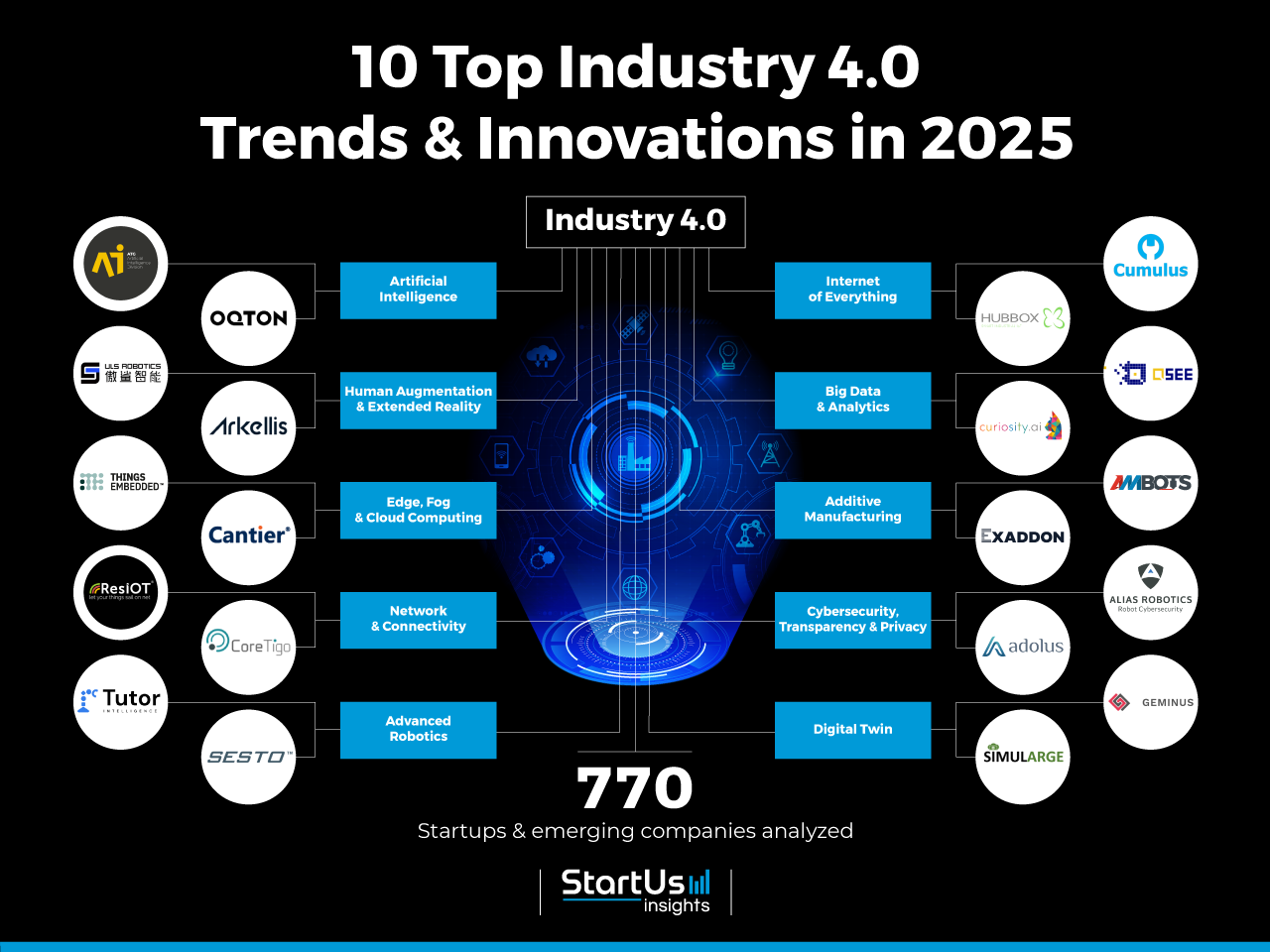
The business landscape is always changing, and startups are at the forefront of innovation, bringing fresh ideas and revolutionary practices to the table. As an entrepreneur or someone interested in the dynamics of the business world, understanding these trends is vital for staying ahead of the curve. In this article, we’ll explore the top ten startup trends that are shaping the future of business, along with insights and examples that make these trends relevant and actionable.
1. Remote Work Tools and Digital Collaboration
The pandemic has drastically changed the way we work. Remote work is no longer just a temporary solution; instead, it has evolved into a permanent fixture for many startups. Companies are increasingly adopting a remote-first philosophy, wherein they invest in tools that facilitate collaboration from anywhere in the world.
Example: Tools like Slack, Trello, and Zoom have become staples of remote work culture. Startups are not only relying on these tools for communication but are also exploring integrations with AI to streamline workflows.
Takeaway: If you’re planning to launch a startup, investing in a robust tech stack that supports remote work is essential. Prioritizing a culture of open communication and collaboration will position your business as attractive to top talent who prefer flexibility.
2. Health and Wellness Innovations
There’s been a significant focus on health and wellness, and startups are stepping up to meet this growing demand. From mental health apps to wellness-oriented services like virtual fitness coaching, entrepreneurs are innovating solutions that cater to individual well-being in various forms.
Example: Consider Noom, a digital health platform that focuses on weight loss through behavior change. They’re successfully merging psychology with technology, which highlights the trend of personalized health-related solutions.
Takeaway: If you’re considering health-related startups, identify specific pain points in wellness and position your product accordingly. Your target market likely values integrative and customizable solutions.
3. Sustainability and Green Business Practices
Today’s consumers are increasingly eco-conscious, making sustainable business practices not just a trend but a necessity. Startups are spearheading initiatives that prioritize environmental sustainability, whether through eco-friendly products, carbon offsetting, or waste reduction plans.
Example: Companies like Allbirds prioritize sustainability in their product sourcing and manufacturing processes. Their commitment to using natural materials creates a loyal customer base who values eco-friendly businesses.
Takeaway: Startups should consider how they can implement sustainable practices into their business model. This can be a significant differentiator that attracts ethically-minded consumers and enhances brand authenticity.
4. The Rise of Artificial Intelligence and Automation
AI is revolutionizing many aspects of business and offering startups a chance to increase efficiency through automation. From customer service chatbots to advanced data analytics, the integration of AI allows startups to streamline operations and enhance user experience.
Example: Companies like ChatGPT and E-commerce platforms using AI for recommendations show how AI can create a more personalized shopping experience while also relieving customer service burdens.
Takeaway: Startups should assess how they can incorporate AI technologies to improve operational efficiency. Additionally, understanding AI’s potential will be key to staying competitive in a tech-driven market.
5. Subscription-Based Business Models
Subscription-based models are gaining traction across various industries, including software, fashion, and even food services. This model offers consistent revenue and helps build a community around a brand, given its reliance on customer loyalty.
Example: Dollar Shave Club disrupted the shaving industry by offering convenience and a subscription service, which creates a seamless experience for customers.
Takeaway: If you’re considering launching a startup, think about how you can implement a subscription service. Understanding customer lifecycle value will enable you to design offerings that foster long-term relationships.

- Overcome negative thought patterns, reduce stress, and live a worry-free life
- Overthinking is the biggest cause of unhappiness
- Don't get stuck in a never-ending thought loop
- Stay present and keep your mind off things that don't matter, and never will
- Break free of your self-imposed mental prison
6. Diverse and Inclusive Workplaces
Diversity and inclusion are no longer just buzzwords; they’re essential for startup culture. Consumers are drawn to brands that reflect and celebrate diversity in their workforce and leadership. Moreover, diverse teams have been shown to drive innovation and enhance problem-solving capabilities.
Example: Companies like Blendoor are focused on bringing diversity to tech recruiting, helping startups build more inclusive teams from the ground up.
Takeaway: When establishing a startup, prioritize building a diverse and inclusive workforce. Not only will this create a positive work environment, but it will also resonate with your customer base who values representation.
7. Experience-Driven Consumption
Today’s consumers crave experiences over material goods—a trend that can significantly impact how startups market their products or services. From immersive brand experiences to unique customer journeys, businesses must create emotional connections with their customers.
Example: Brands like Airbnb have revolutionized the travel industry by focusing on unique, local experiences rather than simply providing a place to stay.
Takeaway: Ensure that your startup prioritizes experience in its offerings. Consider how you can tell a compelling story that resonates with your market.
8. E-commerce and Direct-to-Consumer (DTC) Models
The shift to online shopping has been accelerated by recent global events, giving rise to e-commerce and DTC models. Startups can leverage digital platforms to reach consumers directly, reducing the need for intermediaries and enhancing personalization.
Example: Warby Parker is an excellent example of a DTC brand that has successfully transitioned traditional retail models into an online experience.
Takeaway: For startups, focusing on DTC e-commerce can streamline operations and create better consumer relationships. Prioritize user experience and data analysis to optimize your e-commerce strategies.
9. Gig Economy and Freelance Platforms
The gig economy continues to grow, with more professionals opting for freelance over traditional employment models. This trend presents a unique opportunity for startups to connect talent with businesses in need of flexible labor arrangements.
Example: Platforms like Upwork and Fiverr have transformed how businesses source talent, enabling startups to build projects without the overhead costs typically associated with employing full-time staff.
Takeaway: Think about how your startup can harness the gig economy. This could be through offering freelance platforms or leveraging freelancers to bolster project-based work.
10. Focus on Data Privacy and Cybersecurity
As startups become increasingly data-driven, the emphasis on privacy and cybersecurity cannot be overstated. Recent scandals have mistrusted consumers, and startups must prioritize data protection as a core value to gain and maintain customer trust.
Example: Companies like DuckDuckGo prioritize user privacy and have thrived by providing alternatives to traditional data-driven models.
Takeaway: Building your startup with data privacy in mind can be a unique selling point. Transparency in data handling will attract mindful consumers and build trust in your brand.
Conclusion
The future of business is being shaped by these ten startup trends, and understanding them is vital for any entrepreneur or aspiring business owner. By aligning your startup with these changing dynamics—be it through technology, sustainability, diversity, or the customer experience—you position yourself not only as a competitor but as a leader in your industry.
The environment is ripe with potential for those willing to innovate, adapt, and embrace the changes on the horizon. The key is to remain agile and persistently align your business strategies with these emerging trends. With the right approach, your startup could very well be among those that define the future of business in the years to come.


