
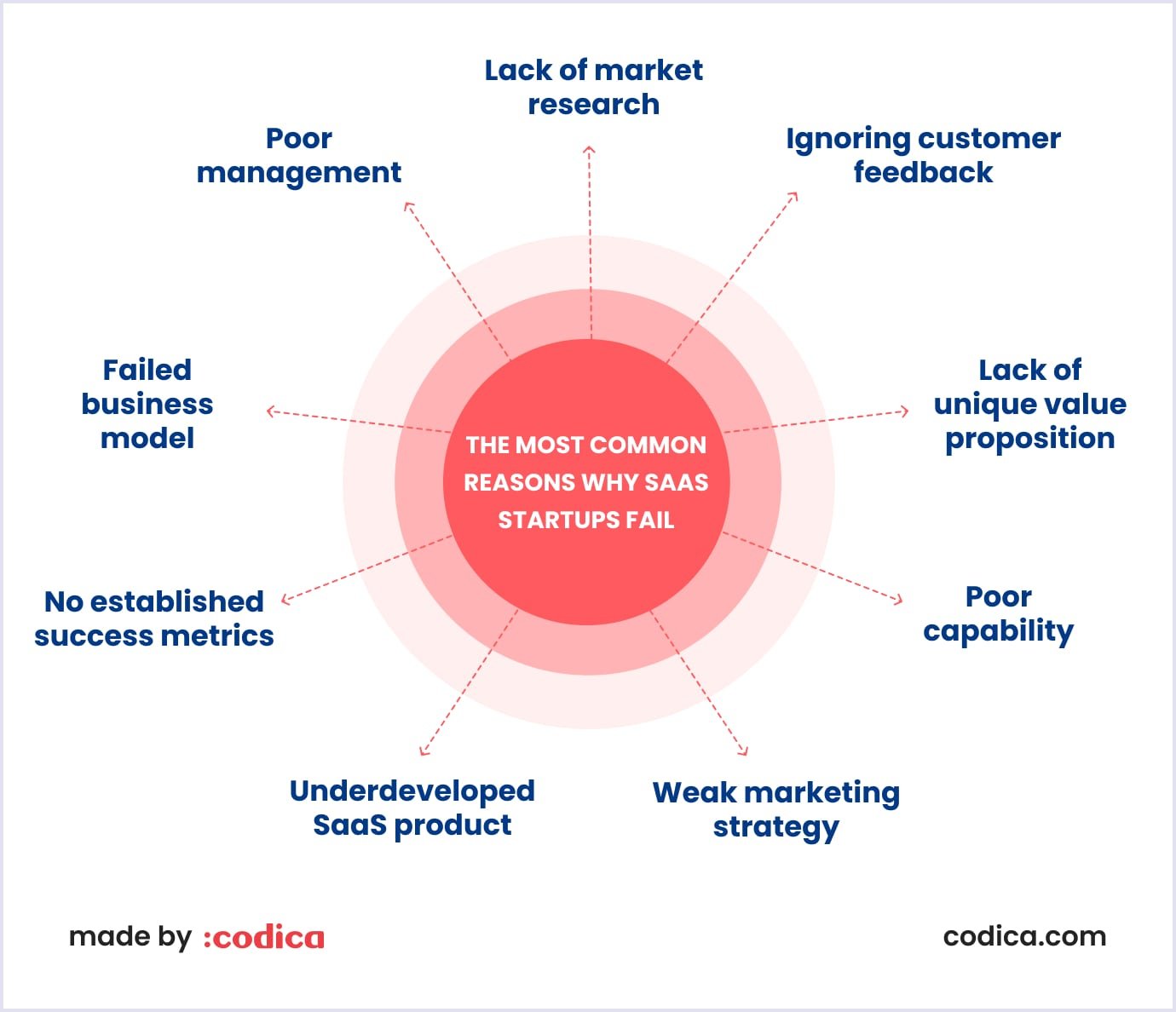
In today’s rapidly evolving digital landscape, launching a Software as a Service (SaaS) company can be an exciting yet daunting task. Entrepreneurs are aware of the staggering potential that the SaaS model offers, including predictable revenue streams, scalability, and widespread market accessibility. However, crafting a successful SaaS business plan is a multifaceted process, and many aspiring business owners make critical mistakes that can jeopardize their startups before they even take off. This article will delve deep into the five common pitfalls found in SaaS business plans, drawing valuable lessons from real failures in the industry.
Understanding SaaS: A Brief Overview
Before we dive into the mistakes to avoid, let’s quickly clarify what a SaaS business is. Software as a Service is a cloud-based service that allows users to access software applications over the internet. This model eliminates the need for complex installations and updates, making it a preferred choice for many businesses looking to save time and resources. However, the allure of SaaS can cloud judgment and lead to miscalculations that could derail a young company.
Common Mistake #1: Neglecting Market Research
Real-Life Example: Clinkle
One of the most notorious failures in the SaaS sector is Clinkle, a mobile payment service that garnered attention for its ambitious vision but floundered due to a lack of thorough market research. The founders assumed they could enter the market with their flashy technology without fully understanding user needs or existing competitors. Consequently, Clinkle launched into a saturated market without a compelling value proposition.
Lesson Learned
The key takeaway here is to invest time and resources into comprehensive market research. Understand your target customers and their pain points. Identify your competitors and analyze what works well for them and what doesn’t. Knowledge is power, and a strong foundation of market intelligence can help you craft a product that stands out and addresses specific needs.
Common Mistake #2: Underestimating Financial Projections
Real-Life Example: YouMail
YouMail, a voicemail service, faced significant challenges early on due to overly optimistic financial projections. The company projected explosive growth based on user adoption rates that didn’t materialize as expected. As a result, they struggled to meet operational costs and eventually had to pivot, which hurt their brand reputation and user trust.
Lesson Learned
When constructing financial projections, be realistic and conservative. Use industry benchmarks, historical data, and market research to create informed estimates. Understand that ramping up new users takes time and resources. Establish a runway that considers a potential slower growth trajectory, allowing for unforeseen circumstances.
Common Mistake #3: Ignoring Customer Feedback
Real-Life Example: Gist
Gist, a business contact management tool, initially ignored customer feedback. While the founders believed they had a solid vision for the product, they weren’t responsive to user needs and suggestions. As a result, they fell out of touch with their audience, and their product became increasingly irrelevant amid changing market dynamics.

- Overcome negative thought patterns, reduce stress, and live a worry-free life
- Overthinking is the biggest cause of unhappiness
- Don't get stuck in a never-ending thought loop
- Stay present and keep your mind off things that don't matter, and never will
- Break free of your self-imposed mental prison
Lesson Learned
Customer feedback is invaluable. Implement structured methods for gathering feedback from your users, such as surveys, interviews, beta testing, and user forums. Prioritize listening to your customers and being adaptive. A responsive approach not only leads to product improvement but also fosters a loyal community around your brand.
Common Mistake #4: Failing to Build a Solid Marketing Strategy
Real-Life Example: 37signals (now Basecamp)
In the early days of 37signals, the founders underestimated the power of a dedicated marketing strategy. Although their product was innovative, they struggled to communicate its benefits effectively, leading to slower-than-expected customer acquisition. It wasn’t until they honed their messaging and increased their visibility that they started seeing significant growth.
Lesson Learned
From the outset, a robust marketing plan is vital to a SaaS business’s success. Define a unique selling proposition (USP) and outline your marketing channels. Whether it’s content marketing, social media outreach, or paid advertising, make sure your strategy aligns with your target audience’s demographics and behaviors. And remember, marketing is not a one-time effort—it’s an ongoing process that requires adaptation and evolution.
Common Mistake #5: Overcomplicating the Product
Real-Life Example: Aardvark (Acquired by Google)
Aardvark, a social search engine, developed a feature-rich platform with extensive functionalities. Unfortunately, they overcomplicated their offering, making it hard for users to navigate. This complexity diluted their value proposition and caused frustration among early users. The ultimate acquisition by Google did little to revive the platform.
Lesson Learned
Simplicity is critical in design, especially in the SaaS space. Focus on building a minimum viable product (MVP) that effectively addresses the core needs of your users without unnecessary features. Once you’ve established a solid user base and received feedback, you can incrementally add new functionalities that enhance the user experience without overwhelming customers.
Conclusion
Launching a SaaS business is a fantastic opportunity, filled with both potential rewards and risks. The landscape is fraught with challenges, but by avoiding common pitfalls, you can significantly improve your chances of success.
By investing in thorough market research, crafting realistic financial projections, actively seeking and responding to customer feedback, developing a solid marketing strategy, and focusing on simplicity, you’ll be well on your way to creating a SaaS company that not only survives but thrives in a competitive market. Remember, learning from the mistakes of others can save you time, resources, and, most importantly, your dream.
In the SaaS industry, knowledge and adaptability can make all the difference between success and failure. So, arm yourself with the insights from these real-world examples, and take your SaaS business to the next level. Happy SaaS-ing!


