
In an age where the tech landscape is ever-evolving, businesses are continually seeking innovative solutions that not only streamline operations but also enhance profitability. One such solution that has captured the attention of entrepreneurs worldwide is Software as a Service (SaaS). If you’re intrigued by how a SaaS plan can lead a company to achieve profitability in under two years, you’re in the right place. This article will dissect the elements that can make a SaaS business model successful, the churning waters of startup management, and the practical steps necessary to reach profitability swiftly.
Understanding SaaS: The Basics
Before we dive deeper into profitability, it’s essential to clarify what SaaS stands for. Software as a Service is a cloud-based model that provides online software solutions to consumers. Unlike traditional software that you would purchase, install, and regularly update on a device, SaaS applications are hosted on the cloud and can be accessed via a subscription model.
Why Consider SaaS?
The SaaS model offers compelling benefits not just for the tech-savvy but also for small businesses, solopreneurs, and enterprises alike:
- Cost-Effective: No hefty upfront licensing costs, which minimizes financial risks.
- Scalability: Businesses can easily adjust their plans based on their needs as they grow.
- Accessibility: SaaS applications can be accessed from any location, facilitating remote work.
- Automatic Updates: Users always have the latest version without needing to manage updates manually.
Given these advantages, many entrepreneurs are drawn to the prospect of launching SaaS businesses. However, the challenge lies in developing a plan that not only attracts users but also secures profitability.
Foundations of a Profitable SaaS Business
1. Market Research and Niche Identification
Before even a line of code is written or a product is developed, conducting market research is crucial. Understanding your target market, competitors, and potential challenges can set the foundation for success.
- Identify Your Audience: Who will use your software? What problems are you solving for them?
- Analyze Competition: Know who your competitors are and what they offer. How will your solution stand out?
- Pinpoint Industry Trends: Stay updated on industry developments. Adapting to changes can give your business a dynamic edge.
2. Business Model Selection
Selecting the right business model is vital for achieving profitability. Common SaaS models include:
- Freemium: Offer a basic version for free and charge for advanced features.
- Tiered Pricing: Different levels of service at various prices cater to a wider audience.
- Pay-as-you-go: Users pay only for what they use, garnering more engagement.
Choosing the right model involves analyzing the needs and behavior of your target audience, as well as conducting price sensitivity analysis to avoid losing potential customers.
3. Building an MVP (Minimum Viable Product)
An MVP is a version of your product with just enough features to satisfy early adopters. This approach provides excellent feedback loops and allows businesses to iterate without committing extensive resources upfront.
- Focus on Core Features: Identify the critical functionality users need and prioritize those in your MVP.
- User Testing: Release the MVP to a small group of users. Collect their feedback and improve accordingly.
Building an MVP helps in mitigating risks, optimizing resources, and fast-tracking the input of customer perspectives into the product development process.
4. Marketing Strategy
An effective marketing strategy ensures that your product reaches its target users. Here are essential components to consider:
- Content Marketing: Creating valuable content helps to engage your audience while improving SEO.
- Social Media Presence: Utilize platforms like LinkedIn, Facebook, and Twitter to connect and communicate directly with potential users.
- Influencer Collaborations: Partnering with industry influencers can greatly amplify your message and reach.
A strong marketing strategy can make or break your SaaS business, so invest time in developing a multi-channel approach that resonates with your target market.

- Overcome negative thought patterns, reduce stress, and live a worry-free life
- Overthinking is the biggest cause of unhappiness
- Don't get stuck in a never-ending thought loop
- Stay present and keep your mind off things that don't matter, and never will
- Break free of your self-imposed mental prison
5. Customer Support and Retention
Once customers start using your software, retaining them should become a top priority. Implement effective customer support channels such as chat systems or help desks. Build strong relationships through regular communication, adding value through helpful content or updates.
- Ongoing Training: Offer webinars or tutorials to help users understand your software better.
- Feedback Mechanisms: Implementing feedback loops will give you valuable insights into areas for potential improvement.
6. Metrics and KPIs
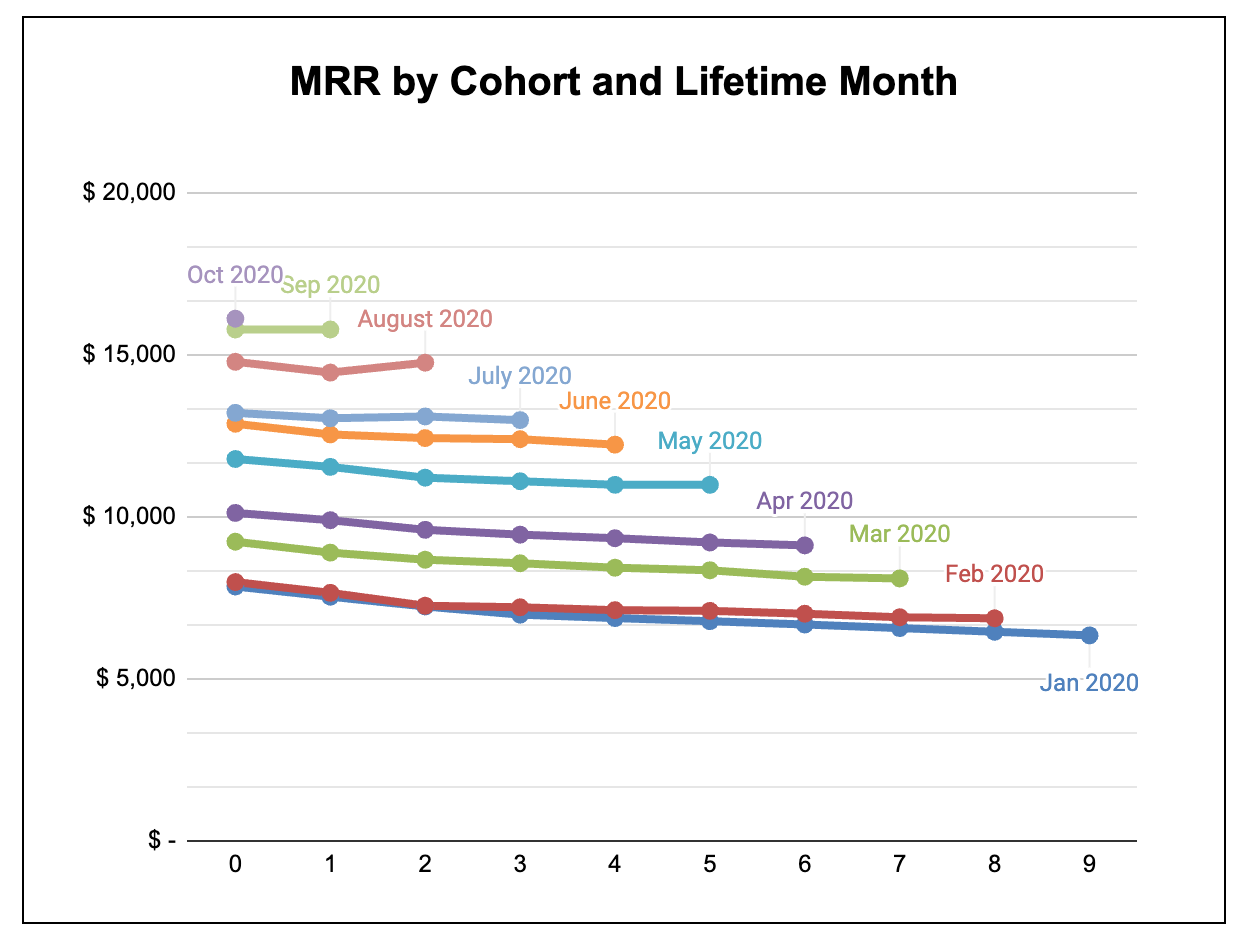
Success in the SaaS industry is not just about acquisition; it’s equally about retention and profitability. Tracking metrics such as Monthly Recurring Revenue (MRR), Customer Acquisition Cost (CAC), and Churn Rate will guide strategic decisions effectively.
- Churn Rate: This measures the percentage of users that stop using your service. The lower the churn rate, the better your SaaS business is performing.
- Customer Lifetime Value (CLV): Understanding how much revenue a customer is likely to generate throughout their engagement with your business can help inform acquisition strategies.
Case Study: A Successful SaaS Journey
To see the aforementioned principles in action, let’s analyze a hypothetical SaaS company, “TaskFlow.”
Year 1: Laying the Groundwork
Market Research & Niche: TaskFlow identified a gap in project management tools specifically designed for remote teams. They realized that while many tools existed, few focused on the unique needs of remote collaboration, especially post-pandemic.
Creating an MVP: Instead of launching a comprehensive tool with all the bells and whistles, TaskFlow prioritized essential features such as task assignment, deadline reminders, and a calendar integration.
Marketing Launch: Launching with a freemium model, TaskFlow attracted 5,000 users in the first three months through strategic social media marketing and partnerships with influencers in the tech space.
Year 2: Stepping Up Strategies
Gathering Feedback and Iteration: Based on initial user feedback, TaskFlow added analytics features and made the interface more intuitive. They strategically used tools like Net Promoter Score (NPS) to gauge customer satisfaction, which helped improve user experience.
Customer Support and Retention: TaskFlow established a customer success team to engage users through webinars. Using drip email campaigns, they informed existing users about new features and how to use the platform effectively.
Metrics Tracking: By the end of the second year, TaskFlow had reduced its churn rate to 5%. They had increased their MRR by 200% and, more importantly, achieved profitability.
Conclusion: Your Roadmap to SaaS Profitability
Launching a SaaS business that quickly achieves profitability requires strategic planning, execution, and continuous improvement. From effectively conducting market research to building a robust marketing strategy around your product, every step in the journey is crucial.
As seen in real-world examples like TaskFlow, the combination of customer feedback, a focus on problem-solving, and strategic marketing can enable a SaaS company to thrive even in competitive spaces. With a proactive approach and keen attention to metrics that matter, your SaaS business can not only launch successfully but also achieve profitability in under two years.
Final Thoughts: Is SaaS Right for You?
If you’re considering a venture into the SaaS world, take time to assess your strengths, market interest, and existing expertise. Remember, the road to success is not linear but filled with learning experiences that mold and shape your business for the better.
In a rapidly changing digital landscape, your ability to adapt and innovate will be pivotal in turning your SaaS dream into a thriving reality. Get started today, and who knows? You might just be the next success story in the SaaS realm.


