
In recent years, the intersection of technology and the real estate sector has redefined how businesses operate and how consumers engage with real estate transactions. One promising avenue in this evolution is the emergence of Software as a Service (SaaS) startups tailored specifically for the real estate market. But what does it take to create a successful SaaS business plan for the real estate industry? In this article, we will analyze the key components of a SaaS startup’s business plan within this dynamic sector, exploring essential elements such as market analysis, competition, financial planning, and future growth strategies.
Understanding the Real Estate SaaS Landscape
Before diving into the specifics of a business plan, it’s crucial to understand the landscape in which these SaaS startups operate. The real estate industry is vast and encompasses a myriad of services, including property management, real estate investment, transaction management, and customer relationship management (CRM). As technology progresses, real estate SaaS solutions have emerged to streamline operations, enhance customer experiences, and drive operational efficiencies.
In fact, the global real estate SaaS market is projected to grow significantly, driven by the increasing digitization of real estate processes, the proliferation of cloud-based solutions, and the need for more data-driven decision-making. As an entrepreneur or investor, recognizing the potential of this market is the first step to creating a robust business plan.
Key Components of a Business Plan for a Real Estate SaaS Startup
-
Executive Summary
The executive summary is the first impression a potential investor or partner will have of your startup. This section should succinctly summarize the problem being addressed, your unique solution, target audience, and financial projections. In the context of a real estate SaaS startup, it’s vital to articulate how your software simplifies processes, reduces costs, or enhances customer interactions. -
Market Analysis
Conducting an in-depth market analysis is essential to understanding the current landscape and identifying opportunities for your startup. This includes examining trends in the real estate industry, such as the growing reliance on technology and the increasing demand for efficiency. Furthermore, it’s critical to segment your target market—whether it’s real estate agents, property managers, investors, or homebuyers—and analyze their specific needs and pain points.
A valid approach is to leverage tools like surveys and interviews to gather insights directly from potential customers. Also, consider using secondary research from industry reports to back up your findings. This data not only guides your product development but also strengthens your business plan by demonstrating a well-researched understanding of the market.
- Understanding the Competition
No business operates in a vacuum, and the real estate SaaS sector is no exception. Assessing the competitive landscape is a necessary step to distinguish your startup from existing solutions. Identify key competitors and analyze their strengths and weaknesses. Focus on their pricing models, customer engagement strategies, and technological capabilities. Evaluate their market share and customer feedback to discern gaps your startup can exploit.
By performing a detailed competitor analysis, you can find your unique selling proposition (USP) that sets your SaaS solution apart. Are you providing superior customer support? Is your interface more user-friendly? Or do you offer a unique feature that no one else does? This understanding will play a vital role in shaping your marketing strategy and product development.
- Defining Your Product Features
In the real estate industry, your SaaS product must reflect a deep understanding of the operational challenges faced by its users. Start by defining your software’s core features. If you’re focusing on property management, consider functionalities that include tenant screening, rent collection, maintenance requests, and communication tools.
Moreover, it’s crucial to prioritize user experience. Today’s consumers demand intuitive interfaces and seamless integrations with other tools they already use, such as CRM systems and marketing platforms. Engage potential users during the development phase to ensure that your product meets their actual needs and is user-friendly.
- Business Model and Pricing Strategy
A significant component of your business plan will be your business model and pricing strategy. Decide whether you will adopt a subscription model, pay-per-use, or tiered pricing based on user levels. For SaaS products in the real estate market, monthly or yearly subscriptions are most common, allowing for predictable recurring revenue.
When identifying pricing, it’s essential to consider your customers’ willingness to pay and the added value your software provides. Conducting A/B testing with different pricing tiers can help in determining the optimal price point. Additionally, offering free trials or freemium versions can attract new users while allowing you to showcase the value of your product.
- Marketing and Sales Strategy
A great product will only succeed if you have a clear marketing and sales strategy in place to reach your target audience. In the realm of real estate, digital marketing plays a pivotal role. Invest in SEO strategies, targeted content marketing, and social media campaigns to attract potential customers.
Networking with real estate professionals and building partnerships can also facilitate market entry. Consider developing case studies and testimonials, as these can significantly enhance your credibility in the industry. Participating in real estate expos and conferences should also be part of your strategy, generating leads and increasing visibility.
- Financial Projections
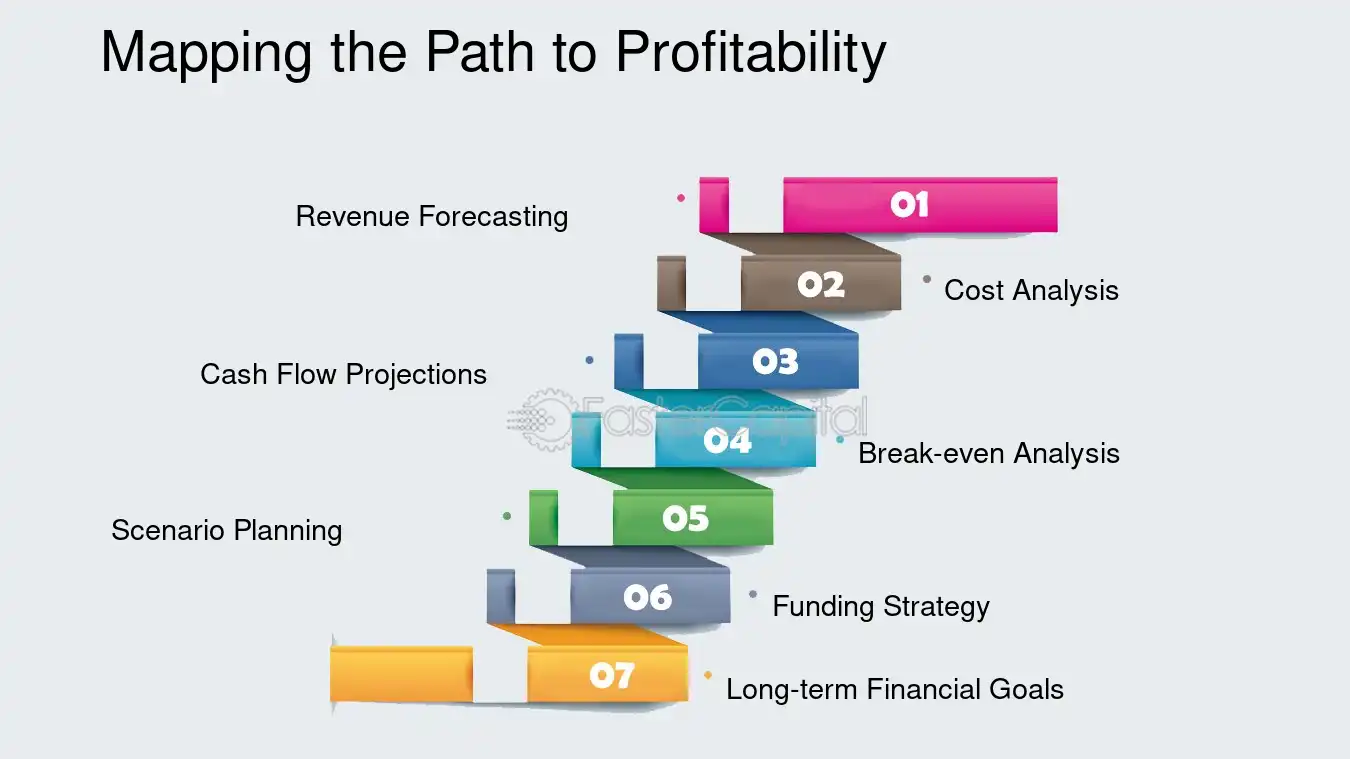
A well-articulated financial projection will provide potential investors with the insight needed to assess your startup’s potential profitability and sustainability. Include projected revenues, expenses, profit margins, and cash flow forecasts. A break-even analysis can also be valuable in demonstrating when you expect to become profitable.
Be realistic with your projections while also showing growth potential. It’s vital to back your financial claims with data and research from market trends and customer acquisition costs. This thorough financial planning can be a critical aspect of your business plan that gives investors confidence in your startup.
- Team Composition
Highlighting your team’s expertise and skills can bolster confidence in your startup. Invested employees play a crucial role, especially in startup environments where agility and adaptability are key. Present the strengths and backgrounds of your team members, and make a case for why their collective experience will drive the company to success.
If your team lacks some essential skills, like in software development or marketing, consider outlining a plan for how you will hire or partner with experts in these areas. Emphasizing the value of a well-rounded team dedicated to innovation can help garner interest from investors.
- Scalability and Future Growth Strategies
Real estate is a global industry, and a SaaS startup in this space has limitless potential for expansion. Highlight the scalability of your business model, focusing on how your software can adapt to larger markets, additional features, or new customer segments.
Consider potential partnerships with real estate agencies, investment firms, or related tech companies that can facilitate growth. Highlighting the adaptability of your product to integrate with advancing technology, such as artificial intelligence and machine learning, can also amplify future growth potential.
- Risk Analysis and Contingency Plans
Every startup faces inherent risks, and your business plan should address them head-on. Conduct a risk analysis that identifies potential market fluctuations, technology changes, and customer acquisition challenges. It’s essential to express understanding of these risks and provide contingency plans on how you aim to mitigate them.
Demonstrating proactive risk management fosters confidence among investors and stakeholders, proving that your startup is prepared for uncertainties in such a fast-paced industry.

- Overcome negative thought patterns, reduce stress, and live a worry-free life
- Overthinking is the biggest cause of unhappiness
- Don't get stuck in a never-ending thought loop
- Stay present and keep your mind off things that don't matter, and never will
- Break free of your self-imposed mental prison
Conclusion
Creating a well-rounded business plan for a SaaS startup in the real estate industry requires careful analysis, strategic thinking, and an understanding of market dynamics. By focusing on critical components such as market analysis, competition, product features, business models, marketing strategies, and risk management, entrepreneurs can craft a plan that captures the unique challenges of the real estate sector.
In a world where technology is rapidly reshaping industries, real estate SaaS startups have the opportunity to significantly impact how real estate transactions and management are conducted. By leveraging technology to enhance efficiency and customer satisfaction, these startups are poised for growth in the evolving landscape of real estate.
Whether you’re looking to start your own SaaS venture in real estate or analyze potential investments in this arena, understanding the essential elements of a solid business plan is a noteworthy step toward success. Stay informed, stay innovative, and embrace the opportunities that lie ahead in this exciting field!


