
Breaking Barriers: Empowering Individuals With Autism Through Technology
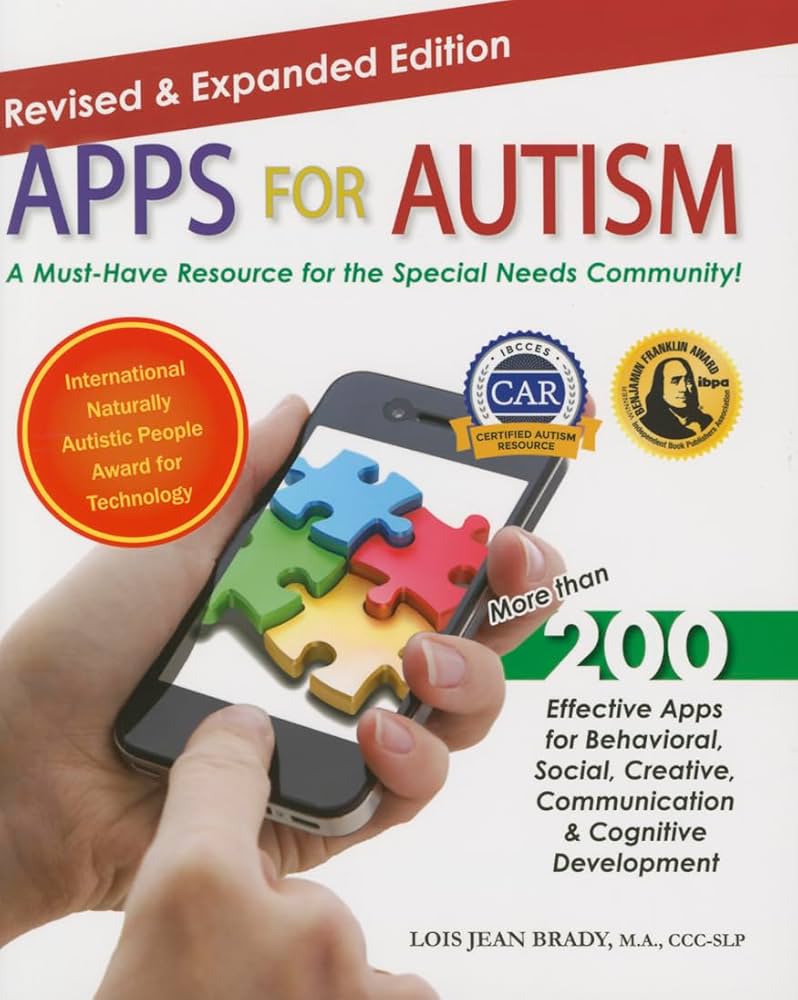
As we navigate the complexities of modern life, it’s essential to recognize the unique challenges faced by individuals with autism. While technology has revolutionized many aspects of our lives, its potential to support and empower those on the autism spectrum is often overlooked. In this article, we’ll delve into the world of apps designed specifically for autism, exploring their features, benefits, and real-world applications.
Understanding Autism
Before diving into the apps, it’s crucial to understand what autism entails. Autism Spectrum Disorder (ASD) affects individuals in various ways, impacting communication, social interactions, and behavior. Each person with autism is unique, requiring personalized approaches to support and inclusion.
App For Autism: Enhancing Learning And Development
The first category of apps we’ll examine focuses on learning and development. These tools aim to improve cognitive functions, language skills, and attention span in individuals with autism.
- Mita: A free app designed by neuroscientist Andrey Vyshedskiy from Boston University, MITA offers structured learning activities under the form of games. This adaptable algorithm adjusts gamblings based on user responses, ensuring a suitable level of difficulty.
- I Learn With Videomodeling: This paid app (\$19.99) Aims to stimulate behavioral patterns, increase personal autonomy, and domestic social skills using video modeling techniques.
- In Flight With Mathematics: A free app that helps users learn addition and subtraction within 20 using hands and mental calculation in daily life situations.
App For Autism: Creating Visually-based Diaries
The second category of apps focuses on creating visually-based diaries to support individuals with autism. These tools help plan, organize, and enhance autonomy through visual aids.
- Pictogramagenda: A free app that allows users to create visually-based diaries using up to 20 pictograms. Users can add images or videos to each activity, set reminders, and track progress.
- Caa Diary: A free app that enables users to create task analysis for complex activities, breaking them down into smaller, more manageable parts.
- Niki Diary: A paid app (\$5.99) That offers a calendar-based approach with daily, weekly, or monthly planning.
App To Communicate Autism
The final category of apps focuses on communication and support for individuals with autism. These tools aim to facilitate interaction through visual aids, vocal synthesis, and other means.
- Imaginary: A paid app (\$14.99) That offers a vast library of pictograms, phrases, and images to aid communication.
- Pictotea: A free app that provides customizable pictograms for communication purposes.
- Let Me Talk: A free app that allows users to create phrases using pictograms, vocal synthesis, or video modeling techniques.
Conclusion
Technology has the potential to revolutionize the lives of individuals with autism. By leveraging apps designed specifically for this community, we can enhance learning, development, and communication. While these tools are not a replacement for professional advice and support, they offer valuable resources for empowerment and inclusion.
Frequently Asked Questions (FAQs)
- What is autism?
Autism Spectrum Disorder (ASD) affects individuals in various ways, impacting communication, social interactions, and behavior. - How can technology help individuals with autism?
Technology offers a range of tools to support learning, development, communication, and inclusion for individuals with autism. - Are these apps suitable for all ages?
The apps discussed cater to different age groups, from children to adults, depending on their specific needs and abilities. - Can I use multiple apps simultaneously?
Yes, many of the apps mentioned can be used in conjunction with other tools and resources to provide a comprehensive support system. - Are these apps available for both Android and iOS devices?
Most of the apps discussed are compatible with both Android and iOS devices, ensuring broad accessibility.
As we continue to navigate the complexities of modern life, it’s essential to recognize the potential of technology to empower individuals with autism. By embracing these innovative tools, we can break down barriers and create a more inclusive environment for all.


