
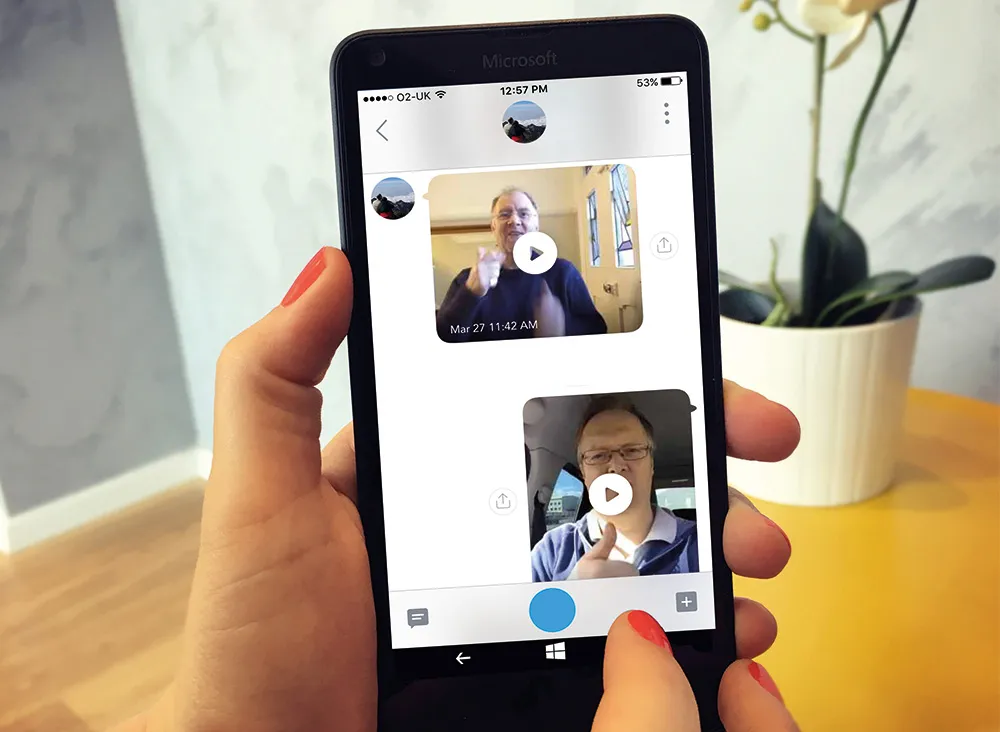
The Rise of Accessibility: How Technology is Revolutionizing Communication For Deaf Individuals
In today’s digital age, accessibility has become a crucial aspect of technology. With the increasing number of individuals with hearing impairments, companies are now prioritizing the development of accessible features in their products and services. In this article, we will explore the world of apps specifically designed for deaf individuals, highlighting some of the most innovative and user-friendly options available.
Why Accessibility Matters
Accessibility is not just a nicety; it’s a necessity. With more than 5% of the global population experiencing hearing impairments, companies have a moral obligation to provide accessible services that cater to their needs. By doing so, they can ensure equal access to information and opportunities for all individuals.
The Best Apps For Deaf Individuals
Here are some of the top apps designed specifically for deaf individuals:
- Pedius: This app is an excellent example of innovation in accessibility. Developed for both Android and iOS devices, Pedius allows users to communicate with others through video calls, messaging, and phone calls using sign language interpretation.
- Look to Speak: Another groundbreaking app from Google, Look to Speak uses AI-powered technology to recognize sign language and convert it into spoken words. This app has been specifically designed for deaf individuals who want to communicate with hearing people.
- Accessibitaly: This app is a must-have for anyone interested in learning about Italian history and culture. With interactive maps, videos, and audio descriptions, AccessibItaly provides an immersive experience that’s perfect for deaf learners.
Other Notable Mentions
While the above apps are specifically designed for deaf individuals, there are other notable mentions worth mentioning:
- Ava: This app is a versatile tool that allows users to listen to radio, watch TV, and engage in conversations while monitoring transcriptions.
- Ioparlo: This user-friendly app enables users to type messages or phrases using pre-defined words, which are then translated into spoken language.
- Speakliz: This innovative app uses video camera technology to recognize sign language and convert it into spoken words.
The Future of Accessibility
As technology continues to evolve, we can expect even more innovative solutions for deaf individuals. With the rise of AI-powered apps, accessibility is no longer a barrier but an opportunity for inclusive communication.
Conclusion
In conclusion, the world of accessible apps has come a long way in recent years. From Pedius to Look to Speak and AccessibItaly, these innovative solutions are revolutionizing the way deaf individuals communicate with others. By prioritizing accessibility, companies can ensure equal access to information and opportunities for all individuals, regardless of their hearing abilities.
Frequently Asked Questions
- What is The Purpose of Pedius?
Pedius is a communication app that enables users to make video calls, send messages, and receive phone calls using sign language interpretation. - How Does Look to Speak Work?
Look to Speak uses AI-powered technology to recognize sign language and convert it into spoken words in real-time. - What is The Main Feature of Accessibitaly?
AccessibItaly provides interactive maps, videos, and audio descriptions that allow users to explore Italian history and culture through an immersive experience. - Can Ava be Used For Listening to Radio And Watching Tv?
Yes, Ava allows users to listen to radio and watch TV while monitoring transcriptions in real-time. - How Does Ioparlo Work?
IoParlo enables users to type messages or phrases using pre-defined words, which are then translated into spoken language. - What is The Cost of Speakliz?
SpeakLiz offers a monthly subscription plan for 5.49 Euros and an annual plan for 43.99 Euros.
Key Takeaways
- Accessibility is no longer a nicety but a necessity in today’s digital age.
- The rise of AI-powered apps has revolutionized the way deaf individuals communicate with others.
- Pedius, Look to Speak, AccessibItaly, Ava, IoParlo, and SpeakLiz are just a few examples of innovative solutions designed specifically for deaf individuals.
Recommendations
If you’re interested in learning more about accessible technology, we recommend exploring the following resources:
- Google’s Accessibility Portal: This portal provides an extensive library of articles, videos, and tutorials on accessibility.
- Microsoft’s Accessibility Website: Microsoft’s website offers a wealth of information on accessibility features, including apps and software specifically designed for deaf individuals.
Conclusion
In conclusion, the world of accessible apps has come a long way in recent years. By prioritizing accessibility, companies can ensure equal access to information and opportunities for all individuals, regardless of their hearing abilities.


