
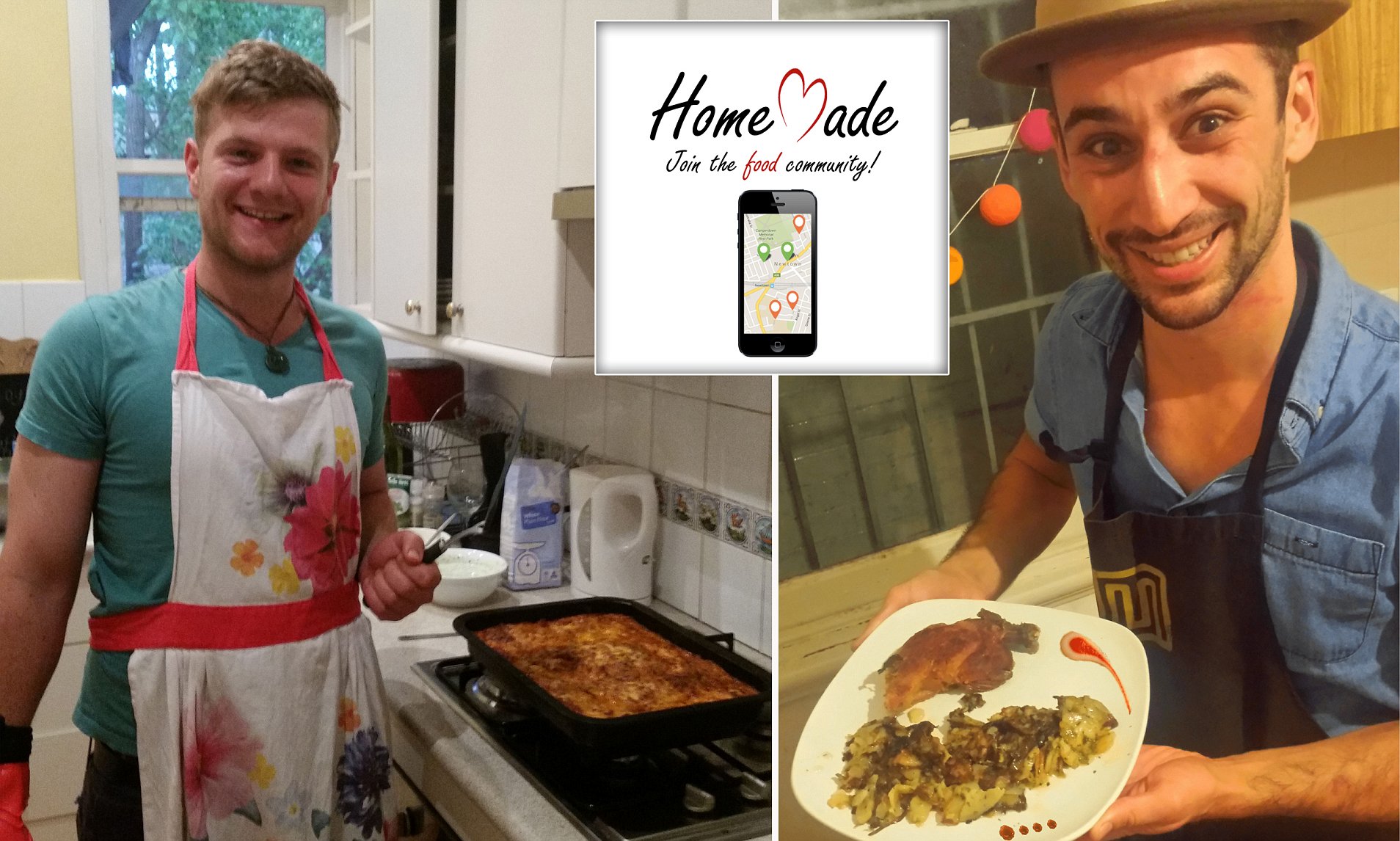
Unlocking The Potential of Your Culinary Skills: How to Sell Food Made at Home
As a passionate home cook, you’ve probably spent countless hours perfecting your recipes and delighting your loved ones with delicious meals. But have you ever thought about taking your culinary skills to the next level by selling food made at home? In this article, we’ll explore the possibilities of monetizing your cooking hobby and provide you with a step-by-step guide on how to get started.
The Benefits of Selling Food Made at Home
Selling food made at home can be a fantastic way to earn extra income, supplement your family’s expenses, or even turn your passion into a full-time business. Not only will you have the opportunity to share your culinary creations with others, but you’ll also develop valuable skills in marketing, customer service, and entrepreneurship.
Understanding The Italian Regulations
Before diving into the world of selling food made at home, it’s essential to understand the regulations governing this activity in Italy. In Italy, selling food made at home falls under the category of “micro-enterprises” or “micro-impresa domestica alimentare” (MIDA). This type of business is regulated by regional laws and requires specific permits, licenses, and certifications.
Meeting The Requirements
To sell food made at home in Italy, you’ll need to meet certain requirements:
- Register Your Business: Register your MIDA with the Chamber of Commerce and obtain a unique identification number.
- Obtain Necessary Permits: Get the required permits from your local authorities, including health and safety certifications (HACCP) and food safety permits.
- Labeling And Packaging: Ensure that your products are properly labeled and packaged to meet national and European standards.
- Respect Hygienic Norms: Maintain a clean and safe working environment, following strict guidelines for handling and storing food.
Platforms And Apps For Selling Food Made at Home
Now that you’re aware of the regulations, it’s time to explore the various platforms and apps available for selling food made at home:
- Etsy: A popular e-commerce platform ideal for crafters, makers, and food vendors.
- Prontopro: An online marketplace connecting professionals with customers seeking specific services, including food preparation and catering.
- Foodbarrio: A platform focused on promoting Italian crafted food, allowing users to sell their products directly to clients.
Other Solutions For Selling Food Made at Home
In addition to the platforms mentioned above, there are other solutions to consider:
- Moome: An online platform that enables home cooks to create a menu and receive orders from customers.
- Babette: A web-based platform facilitating encounters between users seeking homemade food and local cooks.
- Facebook: Utilize social media to promote your business and engage with potential customers.
Creating an Online Presence
Establishing an online presence is crucial for selling food made at home:
- Shopify: Create a professional e-commerce website or store using Shopify’s user-friendly platform.
- Wix: Develop a custom website, including payment solutions, without needing extensive coding knowledge.
Conclusion
Selling food made at home can be a rewarding experience, allowing you to monetize your passion for cooking while developing valuable skills and connections with potential customers. By understanding the regulations, utilizing platforms and apps, and creating an online presence, you’ll be well on your way to success in this exciting field.
Frequently Asked Questions (FAQs)
- What Are The Benefits of Selling Food Made at Home?
Selling food made at home can provide a supplemental income, allow you to share your passion for cooking with others, and develop valuable skills. - What Regulations Apply to Selling Food Made at Home in Italy?
Selling food made at home in Italy falls under the category of micro-enterprises (MIDA), requiring specific permits, licenses, and certifications. - Which Platforms And Apps Can I Use to Sell Food Made at Home?
Popular options include Etsy, ProntoPro, Foodbarrio, Moome, Babette, Facebook, Shopify, and Wix. - How do I Create an Online Presence For my Food Business?
Establish a professional e-commerce website or store using platforms like Shopify or develop a custom website with payment solutions using Wix.
Table 1: Comparison of Platforms And Apps
| Platform/App | Features | Fees |
|---|---|---|
| Etsy | E-commerce platform, product listings, sales tracking | Commission-based fees (6.5% + 3.5%) |
| ProntoPro | Online marketplace for professionals, service listings, client management | Free registration; credit packs available |
| Foodbarrio | Focused on Italian crafted food, direct sales to clients, subscription model | €69/month for creation and maintenance services |
Table 2: Other Solutions For Selling Food Made at Home
| Platform/Service | Features | Fees |
|---|---|---|
| Moome | Online platform for home cooks, menu creation, order management | Free registration; commission-based fees (10%) |
| Babette | Web-based platform for encounters between users and local cooks | PayPal payments only |
| Social media promotion, engagement with potential customers | Free registration; advertising services available |
Note: The tables above provide a summary of the platforms and apps mentioned in the article. The information is intended to facilitate comparison and understanding of each option.


