
On January 9, 2007, Steve Jobs stood before a packed audience and declared that “every so often, a revolutionary product comes along that changes everything.” At that moment, he was referring to the iPhone, but little did the world know that his words would also foreshadow a seismic shift in the world of horology. Just eight years later, the Apple Watch was introduced, and it would go on to disrupt an industry that had been relatively stable for decades: Swiss watchmaking. Today, the impact of Apple’s foray into the watch market has reverberated through the corridors of traditional Swiss watchmakers, leaving them scrambling to adapt.
The Initial Skepticism
When Nicolas Hayek, the visionary behind Swatch, first encountered the Apple Watch, he dismissed it as a “nice toy” with little potential to revolutionize the watch industry. At the time, Hayek’s Swatch Group was a dominant force in the global watch market, and the notion that a tech company could challenge this status quo seemed far-fetched. Hayek had previously faced challenges from Japanese digital watches in the 1970s, notably Casio’s pioneering digital timepieces, which disrupted the traditional mechanical watch market but ultimately didn’t overshadow Swiss craftsmanship. In response, Hayek introduced Swatch’s colorful and affordable watches in 1983, capturing the spirit of the 1980s and cementing Swatch’s position as a major player in the industry.
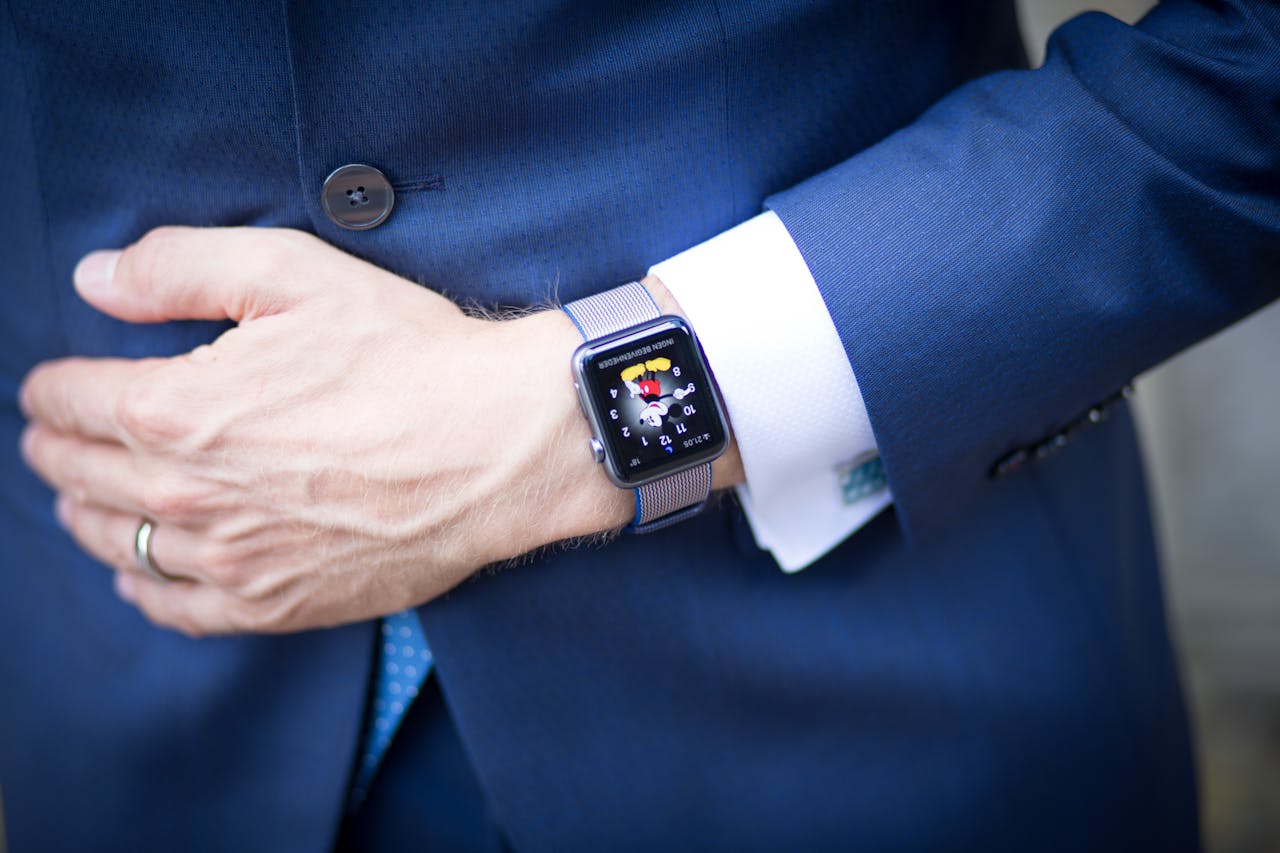
However, the Apple Watch was not just another digital timepiece. Launched in April 2015, it was an extension of Apple’s ecosystem, offering a blend of technology, fashion, and functionality that Swiss watchmakers had not anticipated. The watch was more than just a timekeeping device; it was a personal health and communication hub, integrating seamlessly with iPhones and other Apple products.
The Rise of the Apple Watch
The success of the Apple Watch has been nothing short of extraordinary. As of 2023, over 100 million units have been sold, a figure that dwarfs the collective sales of Swiss watches. In 2019, the Apple Watch’s sales volume surpassed that of all Swiss watches combined. This trend continued, with Apple selling 38 million units in 2021 compared to 16 million Swiss watches. This massive disparity highlights the shifting preferences of consumers, who increasingly value multifunctional technology over traditional timepieces.
The Swiss watch industry, with its deep-rooted heritage and craftsmanship, is struggling to keep pace. The challenge is not merely in the numbers but in the fundamental shift in consumer behavior. The Apple Watch caters to a new generation of tech-savvy consumers who view watches as more than just accessories—they are essential tools for modern life.
The Swiss Response: Adapt and Innovate
In response to this new challenge, the Swiss watch industry has had to rethink its strategy. Swatch Group, now led by Nick Hayek, Nicolas’s son, has attempted to counter the Apple Watch’s dominance by leveraging its marketing prowess. The introduction of the MoonSwatch, a budget-friendly version of the iconic Omega Speedmaster, is a prime example. The MoonSwatch generated significant buzz and long queues outside Swatch stores worldwide, proving that there is still considerable demand for innovative and affordable timepieces.
Despite these efforts, Swatch Group faced a 14.3% decrease in revenue in the first half of 2023, largely due to declining sales in China and Hong Kong. The challenges posed by the Apple Watch are compounded by the competitive landscape in these key markets, where tech giants like Huawei are also vying for consumer attention.
The Broader Impact on Swiss Watchmaking
The rise of the Apple Watch has also impacted other major Swiss watch brands, including Rolex. Traditionally seen as the pinnacle of luxury and precision, Rolex is now facing a new kind of competition. The allure of mechanical watches is being tested by the convenience and multifunctionality of smartwatches. For consumers who prioritize technology and connectivity, the Apple Watch offers a compelling alternative to traditional luxury timepieces.
This shift in consumer preferences is forcing Swiss watchmakers to innovate. Many brands are beginning to explore hybrid models that combine traditional craftsmanship with modern technology. For example, some luxury watchmakers are experimenting with smart features integrated into their mechanical watches, attempting to bridge the gap between classic design and contemporary functionality.
The Future of Watchmaking
As the Swiss watch industry grapples with these changes, it is clear that the Apple Watch has set a new benchmark for what consumers expect from their timepieces. The question is not whether Swiss watchmakers can compete with Apple but how they will adapt to this evolving landscape. The industry must find ways to blend its rich heritage with the demands of a tech-driven world.
In the coming years, we may see more collaboration between traditional watchmakers and tech companies, leading to innovative products that combine the best of both worlds. The challenge for Swiss watchmakers will be to maintain their reputation for quality and precision while embracing the technological advancements that are shaping the future of horology.
Conclusion
The arrival of the Apple Watch has indeed caused a paradigm shift in the watch industry, one that the Swiss were initially unprepared for. What started as a “nice toy” has become a dominant force in the market, challenging the long-standing traditions of Swiss watchmaking. As the industry moves forward, the ability to adapt and innovate will be crucial in maintaining its relevance in an increasingly tech-centric world. The Apple Watch has not only changed the way we think about watches but also set the stage for a new era of horological evolution.


