
In the fast-paced world of Software as a Service (SaaS), striking a balance between costs and growth is one of the most significant challenges startup founders face. With the growing demand for cloud-based solutions and the proliferation of subscription-based revenue models, entrepreneurs must develop strong financial planning strategies that not only support immediate operational needs but also foster sustainable growth. This article aims to delve into the intricacies of financial planning in the SaaS sector, offering practical advice on how to optimize costs while positioning your startup for long-term success.
Understanding the SaaS Financial Landscape
Before we dive into actionable strategies, it’s essential to understand the unique characteristics of the SaaS business model. Unlike traditional product-based businesses that rely heavily on upfront sales, SaaS companies typically function on a subscription basis. This model offers recurring revenue, which can lead to healthier cash flows. However, it also comes with its own set of financial planning considerations:
-
Customer Acquisition Costs (CAC): The cost associated with acquiring a new customer can dramatically impact profitability, especially for early-stage startups. High CAC can hinder growth if not managed effectively.
-
Monthly Recurring Revenue (MRR): This metric is pivotal for SaaS businesses, providing insights into consistent revenue. MRR needs to be carefully monitored and forecasted to ensure financial stability.
-
Churn Rate: The rate at which customers stop subscribing to your service is critical for long-term sustainability. Minimizing churn requires investments in customer support and product development.
-
Lifetime Value (LTV): Understanding the value that a customer brings over their entire relationship with your business helps in determining how much you can spend on acquiring new customers.
-
Scalability: Many SaaS startups struggle with scaling their operations. Investing in the right technology and infrastructure is essential to support growth without dramatically increasing costs.
With these fundamental concepts in mind, let’s explore effective strategies for balancing costs and growth in your SaaS startup financial planning.
Develop a Robust Financial Model
Building a Financial Forecast
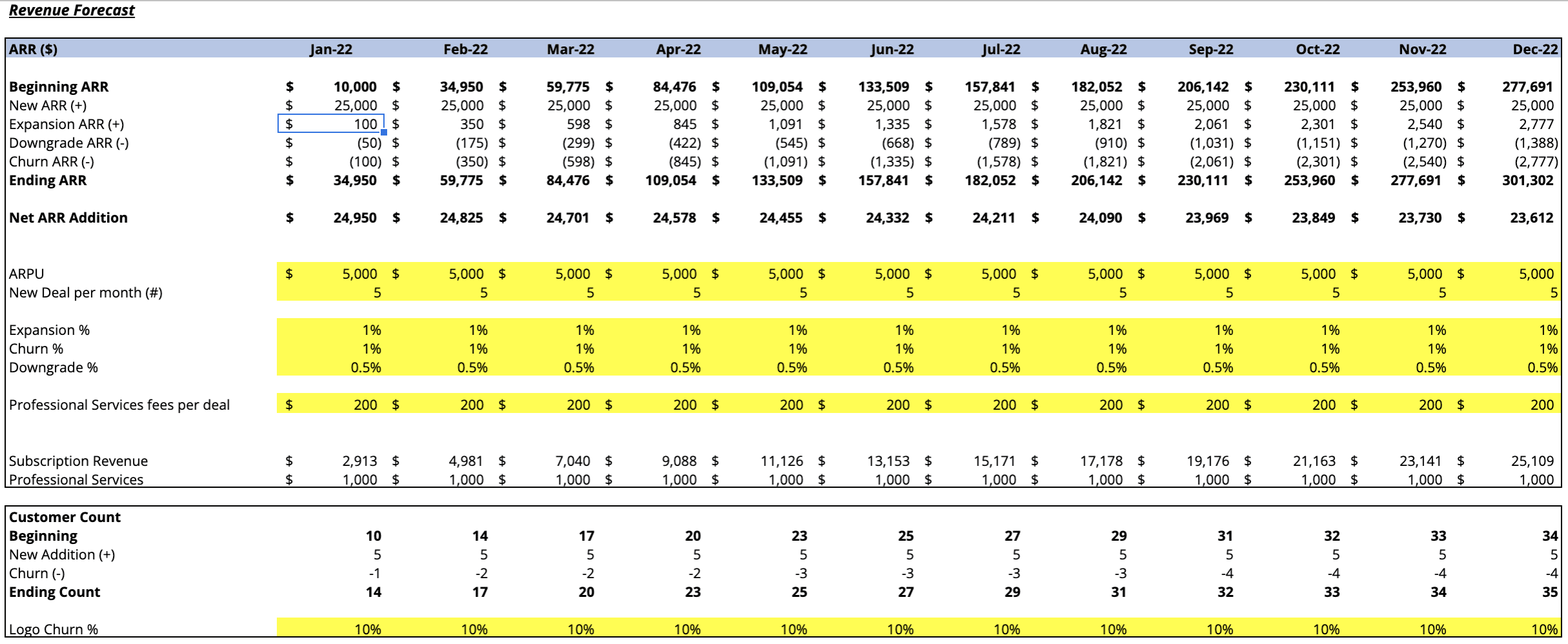
One of the foremost steps in effective financial planning is developing a model that allows you to forecast revenue, expenses, and cash flow over the coming months and years. Use historical data, market research, and trends in consumer behavior to make informed predictions. This model should include:
- Revenue Projections: Estimate how new customer acquisitions and churn will impact your revenue.
- Expense Tracking: Identify fixed and variable costs, from salaries to software subscriptions.
- Cash Flow Management: Calculate inflows and outflows to ensure you can pay bills and invest in growth opportunities.
Use Key Performance Indicators (KPIs)
Establishing KPIs is essential to measure your startup’s performance against your financial forecasts. Focusing on the following metrics can provide insights into your business’s health:
- CAC and LTV Ratio: Aim for a CAC to LTV ratio of 1:3. This means that for every dollar spent acquiring a customer, you should expect to earn three dollars in return.
- Churn Rate: Keep churn low. Aim for industry standards of 5-7% monthly churn for early-stage startups.
- Net Promoter Score (NPS): Measure customer satisfaction and loyalty, aligning your growth strategies with a focus on excellent customer experiences.
Manage Customer Acquisition Costs
Optimize Marketing Channels
Acquiring customers is often the largest expenditure for SaaS startups. To balance costs without compromising growth, focus on optimizing marketing efforts through data-driven strategies:
- Content Marketing: Invest in high-quality, informative content that answers customer questions. This builds trust and drives organic traffic through SEO, resulting in lower CAC.
- Targeted Advertising: Utilize targeted ads on platforms like Google Ads and social media. Prioritize channels that yield the highest return on investment.
- Referral Programs: Encourage existing customers to refer new users through incentives. This effective, low-cost strategy can significantly reduce CAC.
Enhance Selling Techniques
Employing the right sales techniques can dramatically decrease CAC. Consider these strategies:
- Product Demos and Trials: Providing free trials or demos can showcase your product’s value, making it easier for potential customers to commit.
- Sales Automation Tools: Use CRM systems to streamline your sales process, track leads, and nurture relationships efficiently.
- Focus on Upselling and Cross-selling: Once customers are onboard, engage in upselling and cross-selling strategies to maximize revenue from existing clients.

- Overcome negative thought patterns, reduce stress, and live a worry-free life
- Overthinking is the biggest cause of unhappiness
- Don't get stuck in a never-ending thought loop
- Stay present and keep your mind off things that don't matter, and never will
- Break free of your self-imposed mental prison
Prioritize Customer Retention
Invest in Customer Support
Customer support is often an overlooked area when planning finances. A robust support team can dramatically decrease churn rates. Ensure that your startup:
- Offers Multi-Channel Support: From email to chat and phone support, ensure customers can reach you easily.
- Provides Comprehensive Resources: Create tutorials, FAQs, and community forums to empower customers in resolving issues independently.
Collect Feedback Regularly
Engaging with customers to gather feedback helps you understand their needs and preferences. Actively solicit input through surveys, user interviews, and NPS scores to adapt your offerings quickly and effectively.
Implementing a Customer Success Strategy
Focusing on customer success goes beyond just support. By actively managing the customer journey, your team can ensure users achieve their desired outcomes with your product, leading to higher retention rates.
Invest in Scalable Infrastructure
Choose the Right Technology Stack
For SaaS startups, technology is at the heart of operations. Select a technology stack that is:
- Scalable: Ensure your infrastructure can handle growth without incurring excessive costs. Cloud services like AWS, Google Cloud, or Azure provide scalable options without upfront investments in hardware.
- Cost-Effective: Avoid excessive spending on technologies that may not align with your growth trajectory. Utilize open-source solutions where possible.
Automate Repetitive Tasks
Implement automation tools to save time and cut costs associated with manual labor. From billing and invoicing to customer relationship management, automating these tasks can significantly reduce overhead while freeing up resources for growth initiatives.
Measure and Iterate
Regular Financial Reviews
Conduct monthly or quarterly financial reviews to assess your performance against your forecasts. This allows you to identify areas for improvement, eliminate unnecessary expenses, and allocate resources more effectively.
Be Agile in Financial Strategy
The SaaS landscape is constantly evolving. Remain flexible in your financial planning so you can pivot in response to new market trends or emerging technologies. Be prepared to adapt your budget, marketing strategies, and even pricing models in response to external pressures.
Cultivate Sustainable Growth
Set Realistic Growth Targets
While rapid growth can be tempting, it’s crucial to set realistic and sustainable targets. If your growth outpaces your ability to handle customer support, product development, or operational capacity, you risk damaging your brand’s reputation and incurring higher churn rates.
Establish a Balanced Pricing Model
Your pricing strategy should reflect the value your product provides while also considering your target market’s willingness to pay. Experiment with tiered pricing, freemium models, or bundled services to find the right fit.
Monitor Market Trends
Stay updated on industry trends, competitor strategies, and technological advancements. Being proactive can help you anticipate shifts and adjust your financial planning accordingly, ensuring you remain competitive.
Conclusion
Balancing costs and growth in SaaS startup financial planning is a multifaceted challenge that requires a strategic approach. By developing a robust financial model, managing customer acquisition costs, prioritizing retention, investing in scalable infrastructure, measuring performance, and cultivating sustainable growth, you can position your startup for long-term success. Take the time to develop your financial planning strategy; with dedication and adaptability, your SaaS startup can thrive in an increasingly competitive market.
By following these guidelines and continually refining your strategies, your SaaS startup can not only survive the early stages of growth but also flourish amidst challenges. Remember, successful financial planning is an ongoing journey that requires vigilance, feedback, and a willingness to learn from both successes and setbacks. As you navigate this landscape, keep your goals in sight, focus on your customers, and strive to create a product that stands out in the crowded SaaS space.


