
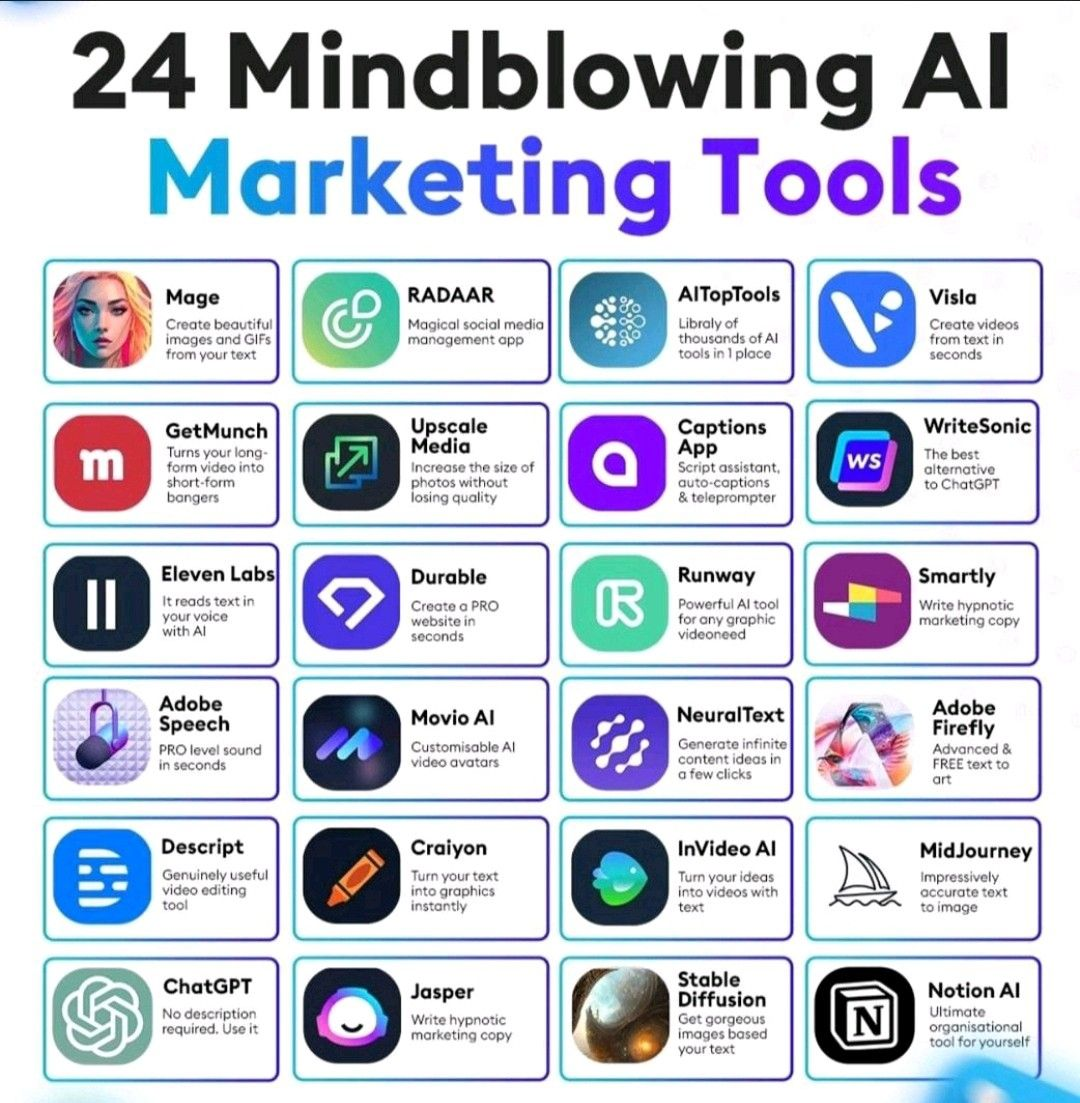
The Future is Now: Unleashing The Power of Artificial Intelligence
As we navigate the complexities of modern life, one thing is certain – technology has become an integral part of our daily lives. From smartphones to smart homes, artificial intelligence (AI) has revolutionized the way we live, work, and interact with each other. But what exactly is AI, and how can it benefit us? In this article, we’ll delve into the world of AI, exploring its various applications, benefits, and limitations.
What is Artificial Intelligence?
Artificial intelligence refers to the development of computer systems that can perform tasks that would typically require human intelligence, such as learning, problem-solving, and decision-making. AI systems are designed to mimic human thought processes, using algorithms and data analysis to make predictions, identify patterns, and classify information.
The Rise of Ai: A New Era in Technology
In recent years, AI has experienced an unprecedented surge in popularity, driven by advancements in machine learning, natural language processing, and computer vision. The result is a new generation of intelligent systems that can:
- Understand and respond to human language
- Recognize and classify images
- Make predictions based on data analysis
- Optimize processes and improve efficiency
AI Applications: A World of Possibilities
From healthcare to finance, education to entertainment, AI has found its way into almost every industry. Some notable applications include:
- Virtual Assistants: AI-powered virtual assistants like Siri, Google Assistant, and Alexa have become an integral part of our daily lives, helping us with tasks, answering questions, and controlling smart home devices.
- Image Recognition: AI-driven image recognition technology has transformed the way we interact with visual content, enabling features like facial recognition, object detection, and content filtering.
- Predictive Maintenance: AI-powered predictive maintenance systems can analyze equipment data to predict when maintenance is required, reducing downtime and improving overall efficiency.
The Benefits of Ai: Unlocking Efficiency And Innovation
AI has the potential to transform industries and improve lives in numerous ways. Some benefits include:
- Increased Efficiency: AI can automate repetitive tasks, freeing up human resources for more strategic and creative work.
- Improved Accuracy: AI-driven systems can reduce errors and improve accuracy, leading to better decision-making and outcomes.
- Enhanced Customer Experience: AI-powered chatbots and virtual assistants can provide personalized support, improving customer satisfaction and loyalty.
The Limitations of Ai: Addressing Concerns And Challenges
While AI has made tremendous progress, there are still concerns and challenges that need to be addressed. Some limitations include:
- Data Quality: AI is only as good as the data it’s trained on. Poor data quality can lead to biased or inaccurate results.
- Explainability: As AI systems become increasingly complex, it’s becoming harder to understand how they arrive at certain decisions.
- Job Displacement: AI has the potential to automate jobs, raising concerns about job displacement and its impact on society.
The Future of Ai: Unlocking New Possibilities
As AI continues to evolve, we can expect to see new applications and innovations emerge. Some exciting possibilities include:
- Human-ai Collaboration: As AI becomes more advanced, it will be able to collaborate with humans in ways that were previously unimaginable.
- Ai-powered Creativity: AI has the potential to unlock human creativity, enabling artists, writers, and musicians to create new and innovative works.
- Ai-driven Sustainability: AI can help us address some of the world’s most pressing sustainability challenges, from climate change to resource management.
Conclusion
Artificial intelligence is no longer a futuristic concept but a reality that’s transforming our lives in profound ways. As we continue to navigate the complexities of modern life, it’s essential to understand the benefits and limitations of AI and how it can be harnessed to improve efficiency, innovation, and sustainability.
Frequently Asked Questions (FAQs)
- What is Ai?
AI refers to the development of computer systems that can perform tasks that would typically require human intelligence.
- How Does AI Work?
AI works by analyzing data, identifying patterns, and making predictions using algorithms and machine learning techniques.
- What Are Some Applications of Ai?
Some notable applications of AI include virtual assistants, image recognition, predictive maintenance, and chatbots.
- What Are The Benefits of Ai?
The benefits of AI include increased efficiency, improved accuracy, enhanced customer experience, and innovation in various industries.
- What Are The Limitations of Ai?
The limitations of AI include data quality concerns, explainability challenges, and job displacement risks.
- How Can I Get Started With Ai?
You can start by learning more about machine learning, natural language processing, and computer vision. You can also explore AI-powered tools and platforms to see how they can benefit your work or personal life.
- What is The Future of Ai?
The future of AI holds immense possibilities, including human-AI collaboration, AI-powered creativity, and AI-driven sustainability.
- How Can I Stay Up-to-date With The Latest Developments in Ai?
You can follow reputable sources, attend conferences and workshops, and engage with experts and professionals in the field to stay informed about the latest advancements in AI.


