
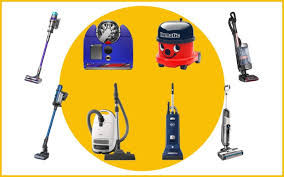
The Ultimate Guide to Choosing The Best Vacuum Cleaner Anti-allergenic
Are you tired of living in a house full of dust and allergens? Do you struggle with allergies or asthma, and find it difficult to keep your home clean and free from irritants? If so, then this guide is for you. We’ll take a look at the best vacuum cleaners anti-allergenic on the market, their features, and what to consider when making a purchase.
What is an Anti-allergenic Vacuum Cleaner?
An anti-allergenic vacuum cleaner is designed to capture allergens such as dust, pollen, and pet dander, as well as other tiny particles that can exacerbate respiratory issues. These vacuums typically come equipped with advanced filtration systems, including HEPA (High Efficiency Particulate Air) filters, which can trap 99.97% Of particles as small as 0.3 Microns.
Top-rated Anti-allergenic Vacuum Cleaners
- Hoover Ultra Vortex Mbc500uv 011
- Powerful suction and turbo brush technology
- UV-C light to kill bacteria, allergens, and acari
- Compact design with a weight of only 2.2 Kg
- Energy efficiency class To, low noise level (20 dB)
- Jigoo J200 Portable Aspirator
- Effective removal of allergens from mattresses and other surfaces
- UV-C light to kill bacteria and acari
- Compact design with a weight of only 1.4 Kg
- Easy-to-use interface and low noise level (70 dB)
- Fuvshu Vacuum Cleaner UV For Acari
- Powerful suction and HEPA filter technology
- UV-C light to kill bacteria, allergens, and acari
- Compact design with a weight of only 1.1 Kg
- Low noise level (72 dB)
Factors to Consider When Choosing an Anti-allergenic Vacuum Cleaner
- Filter Type: Look for vacuums with HEPA filters or other advanced filtration systems that can capture tiny particles.
- Uv-c Light: This technology can kill bacteria, allergens, and acari, but be aware of its limitations (more on this below).
- Suction Power: Choose a vacuum with strong suction power to effectively remove allergens from surfaces.
- Noise Level: Consider a vacuum with a low noise level if you plan to use it during the night or in shared living spaces.
- Weight And Size: Opt for a lightweight and compact design that makes it easy to maneuver and store.
The Limitations of Uv-c Light Technology
While UV-C light technology can be effective against bacteria, allergens, and acari, its application in vacuum cleaners is not always foolproof. The technology may not be effective on surfaces with obstacles such as powder or fibers. Additionally, the light may not be strong enough to kill germs and bacteria directly.
The Importance of Brush Shutter Technology
A brush shutter can help capture allergens and dust particles that might otherwise be released into the air when vacuuming. This technology is particularly useful for cleaning cushions, mattresses, carpets, and other surfaces prone to powder buildup.
Conclusion
Choosing the right anti-allergenic vacuum cleaner can make a significant difference in your quality of life, especially if you suffer from allergies or asthma. Consider factors such as filter type, UV-C light effectiveness, suction power, noise level, weight, and size when making a purchase. Remember that no vacuum is perfect, but with the right features, you can minimize allergen exposure and enjoy a cleaner, healthier home.
Frequently Asked Questions (FAQs)
- Q: What is The Difference Between a Hepa Filter And a Uv-c Light?
A: A HEPA filter captures tiny particles, while a UV-C light kills bacteria, allergens, and acari. - Q: Can I Use an Anti-allergenic Vacuum Cleaner if I Have Pets?
A: Yes, but consider the additional features such as pet hair removal and odor control. - Q: Do All Anti-allergenic Vacuum Cleaners Come With Hepa Filters?
A: No, some may have other advanced filtration systems or rely solely on UV-C light technology. - Q: Can I Use an Anti-allergenic Vacuum Cleaner For Outdoor Cleaning?
A: Generally, no, these vacuums are designed for indoor use and may not be suitable for outdoor surfaces. - Q: How Often Should I Replace The Filter in my Anti-allergenic Vacuum Cleaner?
A: Refer to the manufacturer’s instructions for specific guidance on filter replacement schedules.
Final Thoughts
Living with allergies or asthma can be challenging, but choosing the right anti-allergenic vacuum cleaner can make a significant difference. By considering factors such as filter type, UV-C light effectiveness, suction power, noise level, weight, and size, you can find a suitable solution for your needs.


