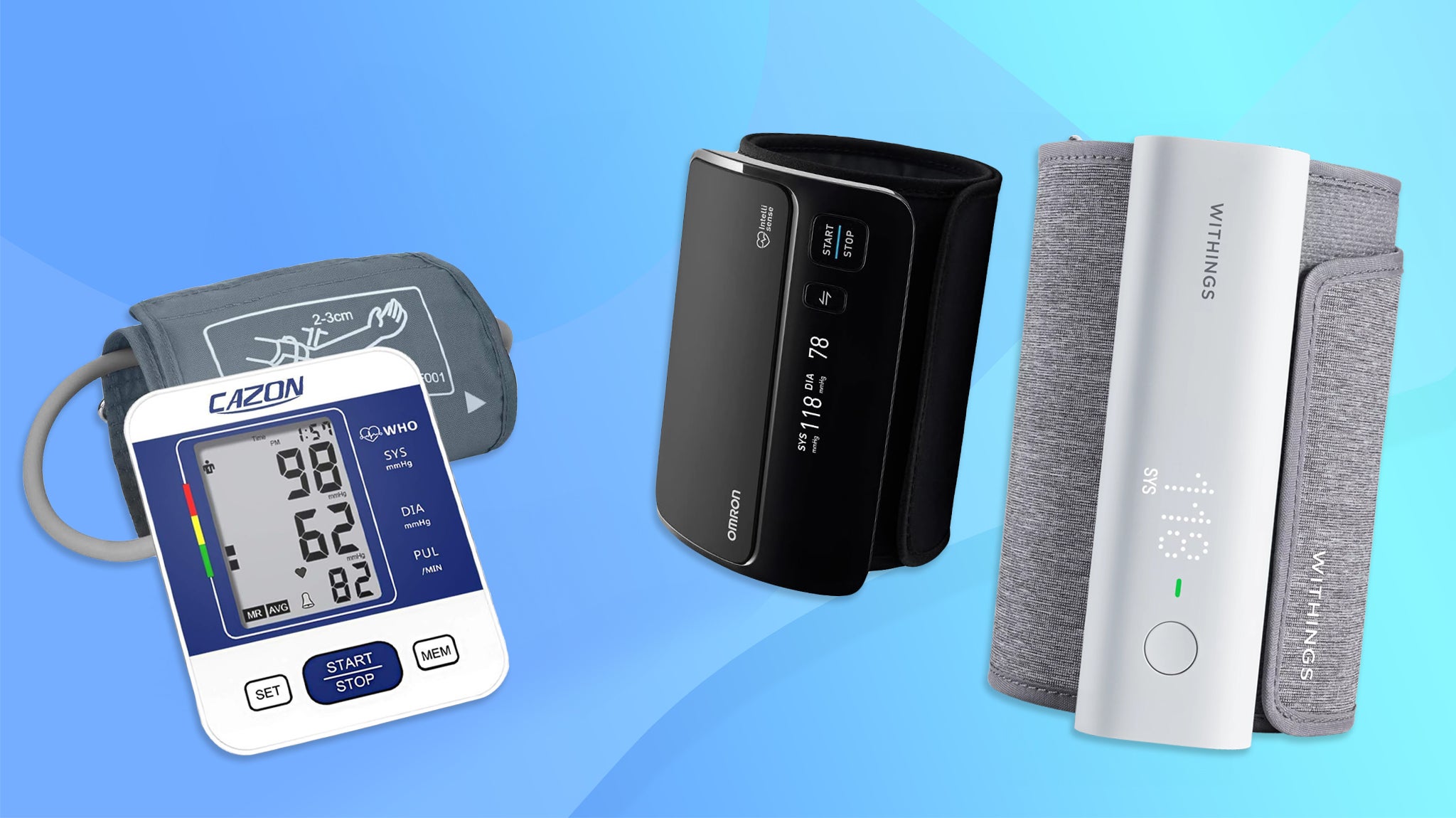
Better Blood Pressure Monitors: A Guide to Shopping (2024)
As we age, our blood pressure can become a concern, and monitoring it regularly is crucial to maintaining good cardiovascular health. While occasional blood pressure checks at the doctor’s office are helpful, having your own blood pressure monitor at home can provide more accurate readings and help you stay on top of your condition.
In this article, we will guide you through the process of choosing the best blood pressure monitor for your needs. We’ll discuss the different types of monitors available, their features, and what to look for when making a purchase.
Types of Blood Pressure Monitors
There are two main types of blood pressure monitors: Arm cuff monitors and wrist monitors.
- Arm Cuff Monitors: These are the most common type of monitor and work by wrapping an inflatable cuff around your upper arm. The cuff is then inflated to constrict the artery, and a digital display shows your blood pressure reading.
- Wrist Monitors: These monitors use a smaller cuff that wraps around your wrist instead of your arm. They are often more convenient to use but may not provide as accurate readings.
Features to Look For in a Blood Pressure Monitor
When choosing a blood pressure monitor, there are several features to consider:
- Accuracy: Look for a monitor with high accuracy and precision.
- Ease of Use: Choose a monitor that is easy to use and understand.
- Memory Function: Consider a monitor with a memory function that can store multiple readings.
- Additional Features: Some monitors come with additional features such as irregular heartbeat detection or Bluetooth connectivity.
Top Blood Pressure Monitors on The Market
Here are some of the top blood pressure monitors available:
- Omron X3 Comfort: This is a popular and highly-rated arm cuff monitor that is easy to use and provides accurate readings.
- Beurer BM 27: This wrist monitor is compact and portable, making it ideal for travel or everyday use.
- To&#d Medical Ua-611: This arm cuff monitor is clinically validated and provides accurate readings with a built-in memory function.
What to Consider When Buying a Blood Pressure Monitor
Before buying a blood pressure monitor, consider the following:
- Price: Blood pressure monitors can range in price from under $20 to over $100.
- Accuracy: Make sure the monitor is accurate and reliable.
- Ease of Use: Choose a monitor that is easy to use and understand.
- Additional Features: Consider additional features such as memory function or Bluetooth connectivity.
Conclusion
Choosing the right blood pressure monitor can be overwhelming, but by considering your needs and the features available, you can make an informed decision. Remember to prioritize accuracy, ease of use, and additional features when making your selection. By monitoring your blood pressure regularly, you can take control of your cardiovascular health and prevent potential problems.
Frequently Asked Questions
Here are some frequently asked questions about blood pressure monitors:
- Q: What is The Best Blood Pressure Monitor For Home Use?
A: The OMRON X3 Comfort is a popular and highly-rated arm cuff monitor that is easy to use and provides accurate readings. - Q: Can I Use a Blood Pressure Monitor at Home Instead of Going to The Doctor’s Office?
A: Yes, you can use a blood pressure monitor at home to get an idea of your blood pressure levels. However, it’s still important to visit your doctor regularly for professional advice and monitoring. - Q: How Often Should I Check my Blood Pressure at Home?
A: It’s recommended to check your blood pressure at least once a day, preferably in the morning after waking up and before taking any medications or having breakfast.
Conclusion
Monitoring your blood pressure regularly can help you maintain good cardiovascular health. By choosing the right blood pressure monitor for your needs and using it correctly, you can take control of your condition and prevent potential problems.