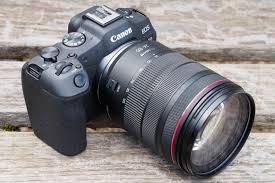
The Ultimate Guide to Choosing The Best Camera For Your Needs
Are you tired of searching for the perfect camera, only to end up with a mediocre one? Look no further! In this comprehensive guide, we’ll take you through the different types of cameras available in the market, their characteristics, and what to look out for when choosing the best one for your needs.
What Type of Camera Should You Choose?
With so many options available, it can be overwhelming to decide which camera is right for you. Here are some brief descriptions of the main types of cameras:
- Compact Point-and-shoot: These cameras are designed for ease of use and convenience. They’re perfect for capturing everyday moments, but may not offer the same level of image quality as other types.
- Super Zoom Tascabili: These cameras offer a higher zoom range than compact point-and-shoot models, making them ideal for wildlife or sports photography.
- Bridge Cameras: These cameras bridge the gap between compact point-and-shoot and DSLR cameras. They offer advanced features like zoom lenses and manual controls, but are generally more portable than DSLRs.
- Mirrorless Cameras: These cameras offer a unique blend of image quality, versatility, and portability. They’re perfect for photographers who want high-quality images without the bulk of a DSLR.
- Dslr (Digital Single-lens Reflex) Cameras: The ultimate choice for serious photographers, DSLRs offer unparalleled image quality, manual controls, and flexibility.
Key Technical Characteristics to Consider
When evaluating cameras, there are several key technical characteristics to consider:
- Megapixels: While megapixels can indicate image quality, they’re not the only factor. Look for other parameters like ISO and optical quality.
- Iso: This measures a camera’s sensitivity to light. A higher ISO range indicates better performance in low-light conditions.
- Sensor Size: A larger sensor generally means better image quality. Full-frame sensors are considered the gold standard.
- Focal Length And Zoom: The focal length (in mm) and zoom capabilities can greatly affect image quality and versatility.
- Processor: A faster processor ensures smooth performance, especially in burst mode or video recording.
- Wi-fi, Nfc, Bluetooth, And Gps: These features enable seamless connectivity and sharing of images.
The Best Cameras For Your Needs
Based on your requirements, here are some top picks:
- Best Budget Camera: Kodak PIXPRO Star Zoom AZ528
- Best Bridge Camera: Sony HX80
- Best Mirrorless Camera: Fujifilm X-T4
- Best Dslr Camera: Canon EOS 5D Mark IV
Conclusion
Choosing the right camera can be a daunting task, but by understanding your needs and considering the technical characteristics of each type, you’ll be well on your way to capturing stunning images. Remember, the best camera is one that fits your lifestyle, skill level, and budget.
Frequently Asked Questions (FAQs)
- What’s The Difference Between a Compact Point-and-shoot And a Super Zoom Tascabili?
A compact point-and-shoot is designed for convenience, while a super zoom tascabili offers higher zoom capabilities. - Which Camera Type is Best For Wildlife Photography?
A bridge camera or DSLR with a telephoto lens would be ideal for capturing distant subjects. - Can I Use my Smartphone as a Camera?
While smartphones have improved significantly, they still can’t match the image quality and flexibility of dedicated cameras. - What’s The Benefit of Using a Mirrorless Camera?
Mirrorless cameras offer better portability, higher image quality, and advanced features like video recording and burst mode. - Can I Use a Dslr For Video Recording?
Yes, DSLRs are excellent for video recording, offering high-quality images and manual controls. - What’s The Difference Between Wi-fi, Nfc, Bluetooth, And Gps?
Wi-Fi enables wireless connectivity, NFC allows for easy sharing, Bluetooth facilitates pairing with other devices, and GPS helps geotagging photos.
Bonus Tips
- Consider your budget and lifestyle when choosing a camera.
- Research and read reviews from reputable sources to get an honest assessment of each camera’s performance.
- Don’t compromise on image quality; invest in a camera that meets your needs.
- Experiment with different camera types and features to find what works best for you.