
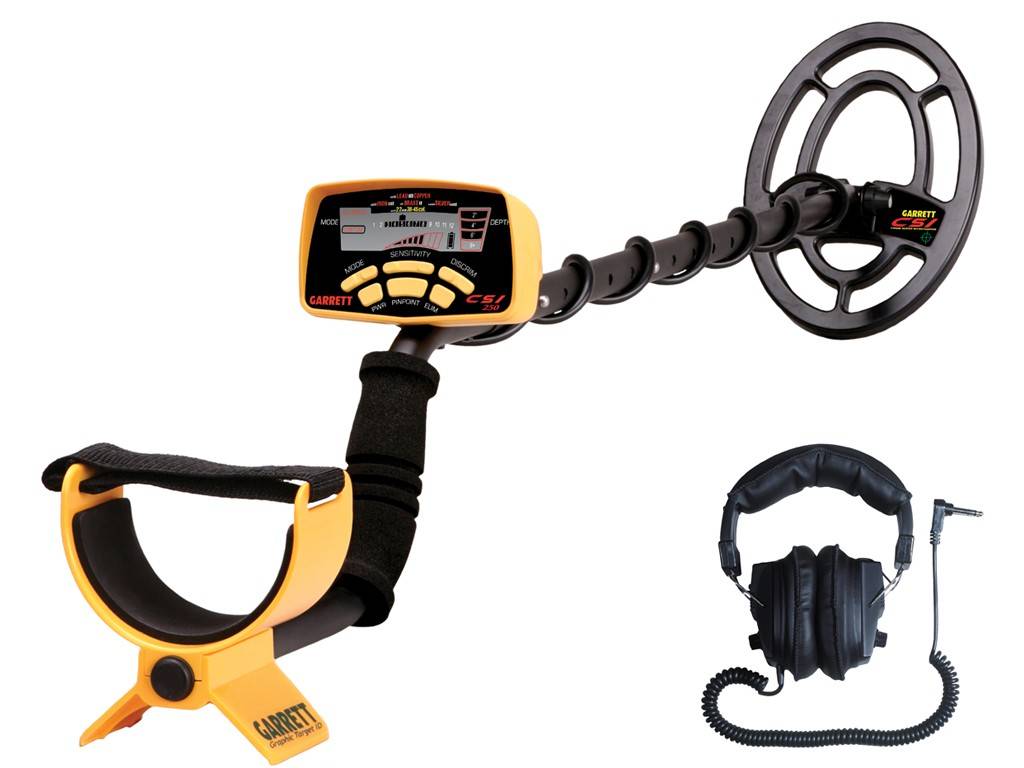
Are you fascinated by treasure hunting or intrigued by the idea of discovering hidden metals underground? A metal detector is your gateway to exciting adventures, and you don’t need to spend a fortune to get started. In this guide, we’ll dive into the best budget metal detectors currently available and give you key insights on how to choose the right one.
What is a Metal Detector?
A metal detector is a device that can identify the presence of metal nearby. It’s widely used for detecting valuable metals like gold, silver, and other hidden treasures, making it an ideal tool for hobbyists, treasure hunters, and even professionals in various fields.
How Does a Metal Detector Work?
The principle behind metal detectors is electromagnetic induction. The device emits electromagnetic waves, which bounce off metallic objects buried beneath the ground or hidden within walls, sending back a signal to the user.
Top 8 Budget Metal Detectors for 2024
Below are some of the most reliable and affordable metal detectors that are perfect for both beginners and seasoned treasure hunters.
1. Pinpointer Metal Detector SUNPOW
The Pinpointer Metal Detector SUNPOW is a versatile and portable tool with impressive sensitivity. It can detect metal objects up to 12 cm underground and offers 360-degree detection, ensuring you don’t miss anything, whether you’re treasure hunting on land or underwater.
Key Features:
- Waterproof: Submersible up to 3 meters deep
- High sensitivity: Detects a wide range of metals, including coins and jewelry
- Compact and portable: Weighs just 340 grams
- 3 alarm modes: Vibration, audio, or both
2. EXTSUD Portable Metal Detector
If you’re after a compact, lightweight option, the EXTSUD Portable Metal Detector could be ideal. Weighing only 166 grams, it’s easy to carry and use, making it perfect for beginners. Its 360-degree scanning capability ensures a thorough search.
Key Features:
- All-weather usability: Waterproof for shallow water detection
- LED light: Helps in low-light conditions
- Simple operation: Easy one-button control
- Compact size: Fits comfortably in hand or attaches to a belt
3. Hlieeosfcn Metal Detector
The Hlieeosfcn Metal Detector is a perfect entry-level detector for children and adults. It’s lightweight, easy to use, and comes with two detection modes—”All Metal” and “Disc” mode—allowing you to differentiate between different types of metals.
Key Features:
- Lightweight: Weighs just 2 pounds
- Waterproof coil: Ideal for shallow water searches
- Adjustable shaft: Suitable for both kids and adults
- Dual mode: Allows for distinguishing between valuable and non-valuable metals
4. Diealles Shine Pinpointer Metal Detector
The Diealles Shine Pinpointer is designed for those who need precise metal detection in small areas. It has a 360-degree detection and a waterproof design, making it an excellent option for locating metals in tight spaces and wet conditions.
Key Features:
- One-button operation: Simple and efficient
- 360-degree side scanning: Finds metals from all angles
- Water-resistant: Great for rainy conditions or shallow water use
- Built-in LED light: Assists in dark environments
How to Choose the Best Budget Metal Detector
Selecting a metal detector isn’t just about the price tag. Several factors should be considered to ensure you choose the right device for your specific needs.
1. Detection Depth and Sensitivity
The detection depth of a metal detector refers to how deep it can locate metal objects underground. Typically, budget models can detect objects between 10 cm and 35 cm deep, which is sufficient for most hobbyists. If you want a more precise search, look for a detector with adjustable sensitivity.
2. Discrimination Capabilities
Discrimination refers to a metal detector’s ability to distinguish between different types of metals. This feature allows you to ignore “junk” metals like iron while focusing on more valuable finds such as gold or silver.
3. Coil Size and Type
The coil is the part of the detector that identifies the metal underground. Larger coils provide better coverage and can detect deeper objects, while smaller coils are better for finding small, shallow items. Many detectors come with waterproof coils, allowing for underwater detection in shallow areas.
4. Frequency
The frequency of a metal detector determines how well it can detect different types of metals. Lower frequencies can penetrate deeper into the ground and are better suited for larger objects, while higher frequencies are more sensitive and better at detecting smaller, low-conductivity objects like gold.
Types of Metal Detectors
There are several types of metal detectors to consider, each suited for different purposes.
1. Beat Frequency Oscillator (BFO)
These are the most affordable and simple-to-use metal detectors, perfect for beginners. BFO detectors don’t differentiate between metals, so they’re best for general use rather than precision hunting.
2. Very Low Frequency (VLF)
VLF metal detectors are more advanced than BFO models and can distinguish between different types of metals. They are commonly used for hobby detecting, as they are both affordable and effective in varied terrains.
3. Pulse Induction (PI)
Pulse Induction detectors are more expensive and are designed for use in mineralized soils, like beaches. They are perfect for treasure hunting in tough environments, such as sandy or water-logged areas.
4. Multi-Frequency (MF) Detectors
MF detectors are more versatile and sophisticated, allowing you to scan at multiple frequencies simultaneously. This enables the detection of a wider range of objects, but they tend to be more expensive.
Budget Metal Detectors vs. Professional Models
While budget models are excellent for beginners, they often lack the depth and discrimination features that professional models offer. High-end detectors can reach depths of up to 70 cm for larger metals and provide more precise identification of valuable objects.
Differences in Features:
- Budget Models: Typically have less sensitivity, are smaller, and offer fewer customizable options.
- Professional Models: Come with advanced features like GPS integration, deeper detection, and higher sensitivity to specific metals.
Top Considerations for Beginners
If you’re just starting, you’ll want a device that’s easy to use, portable, and doesn’t require too much setup.
1. Simplicity of Use
Many beginner metal detectors come with one-button operation, meaning you don’t have to spend time calibrating or adjusting settings before starting your search.
2. Portability
Look for lightweight models that you can easily carry during your treasure hunts. Some detectors are designed to be folded or collapsed, making them ideal for travel.
3. Battery Life
Make sure to check the battery life before purchasing. Long battery life will allow for extended treasure hunts without needing to recharge or replace batteries.
Conclusion
Whether you’re a beginner looking to dive into the world of treasure hunting or a seasoned hobbyist on a budget, there are numerous affordable metal detectors to choose from. With various features like waterproofing, high sensitivity, and easy portability, the models listed above provide excellent value for their price. Start your adventure today and uncover hidden treasures beneath your feet!
FAQs
Q1: Can metal detectors find gold?
Yes, most metal detectors can find gold, but models with high frequencies are better at detecting smaller gold objects.
Q2: How deep can budget metal detectors detect?
Budget metal detectors typically detect objects at depths between 10 cm and 35 cm, depending on the size and material of the object.
Q3: Are metal detectors waterproof?
Many budget metal detectors come with waterproof coils, allowing them to be used in shallow water or on wet terrain.
Q4: What is the best frequency for detecting small objects?
High-frequency metal detectors are ideal for finding smaller objects, as they offer greater sensitivity to metals like gold.
Q5: Can I use a metal detector on the beach?
Yes, many detectors are designed for use on beaches. If you plan to search near water, choose a model with a waterproof coil.
Q6: How long does a metal detector’s battery last?
Battery life varies between models, but most budget metal detectors offer around 10 to 20 hours of use on a single charge.
Q7: Do metal detectors need a lot of maintenance?
Not really. Basic cleaning and ensuring the device remains dry when not in use are usually sufficient.
Q8: Are there legal restrictions on where I can use a metal detector?
Yes, metal detecting is subject to local laws. Always check regulations regarding metal detecting on public or private land before starting.


