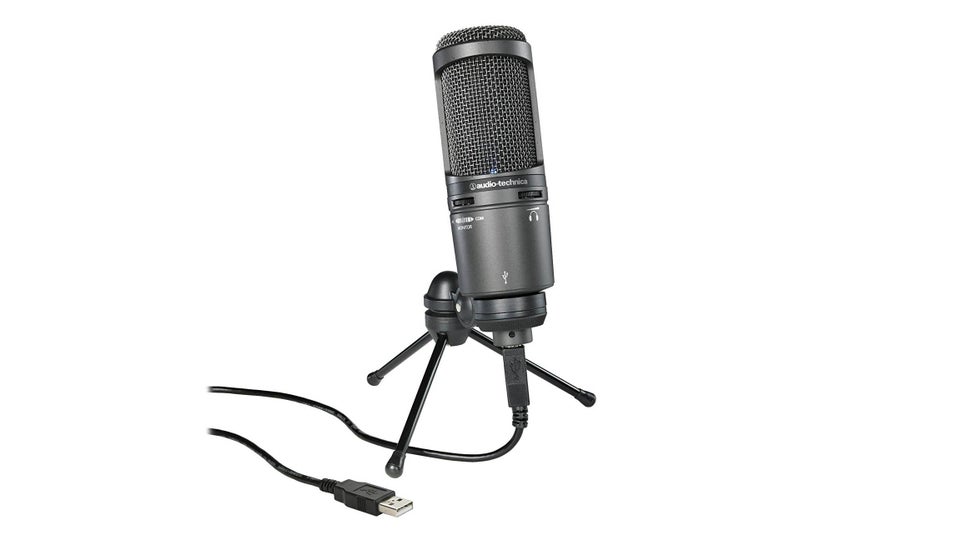
What is a Condenser Microphone?
A condenser microphone uses a diaphragm and coil to convert sound waves into an electrical signal. It’s commonly used in studios, live performances, and podcasting.
Types of Microphones
There are several types of microphones available:
- Large Diaphragm Microphones: These capture sound from all directions, making them ideal for recording vocals.
- Small Diaphragm Microphones: These focus on capturing sound from a specific direction, making them suitable for recording instruments or vocals in live performances.
- Usb Microphones: These connect directly to your computer via USB and are perfect for podcasting, voice-overs, and online streaming.
- Wireless Microphones: These transmit audio signals wirelessly to a receiver, eliminating the need for cables.
Polar Patterns
The polar pattern of a microphone determines how it captures sound in different directions:
- Cardioid Polar Pattern: This focuses on capturing sound from the front and rejects sound from the sides and rear.
- Supercardioid Polar Pattern: Similar to cardioid, but with increased sensitivity on one side.
- Hypercardioid Polar Pattern: Even more sensitive than supercardioid, rejecting sound from the sides and rear.
Technical Considerations
When choosing a microphone, consider:
- Frequency Response: Look for microphones with a wide frequency response (20 Hz to 20 kHz) that can capture a broad range of sounds.
- Sensitivity: A higher sensitivity means the microphone can pick up faint sounds more easily.
- Impedance: Match the impedance to your audio equipment for proper signal transmission.
Connectivity
Consider how you’ll connect your microphone:
- Xlr Connectors: Use a 3-pin XLR cable to connect microphones to mixers, amplifiers, or audio interfaces.
- Usb Connectors: Plug in USB microphones directly into your computer.
- Wireless Transmitters: Send audio signals wirelessly to receivers.
Additional Accessories
Consider using:
- Filters: Anti-pop filters or anti-wind shields can help reduce unwanted sounds and noise.
- Tripods And Stands: Adjustable tripods and stands can position your microphone for optimal sound capture.
- Shock Mounts: Reduce vibrations and noise caused by handling the microphone.
Choosing The Right Microphone
Now that you’ve learned about different types of microphones, polar patterns, technical considerations, and connectivity options, it’s time to choose the best one for your needs. Consider factors like budget, usage, space, and other requirements.
By following this guide, you’ll be able to select a high-quality microphone that meets your recording needs and delivers professional-grade results.
Conclusion
Choosing the right microphone requires careful consideration of various factors. By understanding different types of microphones, polar patterns, technical considerations, and connectivity options, you can make an informed decision.
Frequently Asked Questions (FAQs)
- Q: What is a Condenser Microphone?
A: A condenser microphone uses a diaphragm and coil to convert sound waves into an electrical signal. - Q: What Are The Different Types of Microphones?
A: There are large diaphragm, small diaphragm, USB, and wireless microphones. - Q: What is Polar Pattern?
A: Polar pattern determines how a microphone captures sound in different directions.
This rewritten version maintains the original content while making it more concise and readable.