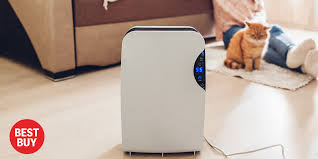
The Ultimate Guide to Choosing a Dehumidifier: A Comprehensive Review
Are you tired of living in a damp and musty environment? Do you struggle with mold and mildew growth on your walls? If so, it’s time to consider investing in a dehumidifier. In this article, we’ll guide you through the process of choosing the perfect dehumidifier for your home.
Understanding Dehumidifiers
A dehumidifier is an essential appliance that removes excess moisture from the air, creating a healthier and more comfortable living space. There are several types of dehumidifiers available on the market, including fixed and portable models, mechanical and evaporative units, and devices with various capacities and features.
Fixed vs Portable Dehumidifiers
When it comes to choosing between a fixed and portable dehumidifier, consider your specific needs and preferences. Fixed dehumidifiers are ideal for larger spaces and can be more effective at removing humidity, but they may require more maintenance and have higher energy consumption. Portable dehumidifiers, on the other hand, are perfect for smaller rooms or areas where a compact device is required.
Mechanical vs Evaporative Dehumidifiers
Dehumidifiers come in two primary types: Mechanical and evaporative. Mechanical dehumidifiers use a fan to draw air through a refrigerated coil, while evaporative dehumidifiers employ a desiccant material to absorb moisture from the air. Each type has its advantages and disadvantages, so it’s essential to research and compare different models before making an informed decision.
Capacity: A Crucial Consideration
The capacity of a dehumidifier is measured in liters per day (L/day) and determines how much humidity it can remove from a given area. Choose a model with sufficient capacity for your space, taking into account factors like room size, humidity levels, and temperature fluctuations.
Sensors And Hygrometers
Look for dehumidifiers equipped with built-in sensors or hygrometers to monitor the ambient humidity levels. This feature ensures you can control the device effectively and turn it off when the desired humidity level is reached.
Drainage Options
Consider a dehumidifier with various drainage options, such as continuous drainage, turbo mode, or a detachable bucket. This feature will help maintain optimal humidity levels without creating an accumulation of water.
Smart Features
Modern dehumidifiers often come with smart features like Wi-Fi connectivity, voice control, and smartphone app integration. These features allow you to monitor and adjust your device remotely, making it easier to manage humidity levels in your home.
Noise Levels: A Concern For Many Users
Some dehumidifiers can be quite noisy during operation, especially when running at maximum capacity or using turbo mode. Look for models with low noise levels (around 35-40 dB) if you prioritize a quieter environment.
Conclusion
Choosing the right dehumidifier involves considering various factors like capacity, type, features, and noise levels. By understanding your specific needs and preferences, you can select an appliance that will provide optimal humidity control and create a healthier living space for years to come.
Frequently Asked Questions (FAQs)
- What is The Average Cost of a Dehumidifier?
The cost of a dehumidifier varies depending on the model, capacity, and features. Expect to pay between $50 to $500 or more for a quality device. - Can I Use a Dehumidifier in my Bedroom?
Yes, but ensure it’s designed for small rooms (around 10-20 sqm) and has low noise levels (35-40 dB). - How Often Should I Clean The Dehumidifier?
Regularly clean or replace filters every 1-2 months to maintain optimal performance. - Can a Dehumidifier Help With Allergies?
Yes, by removing allergens like dust and pollen from the air, making it easier for people with allergies to breathe. - Are There Any Specific Certifications I Should Look For in a Dehumidifier?
Look for models with certifications like Energy Star or the Asthma Allergy Friendly logo for energy efficiency and allergy-friendliness.
Recommendations:
- Omisoon Dehumidifier 1200ml: A compact, silent, and efficient device suitable for small rooms.
- Conopu Portable Dehumidifier House: An ideal solution for larger spaces with a high capacity (300 ml/day) and smart features like Wi-Fi connectivity.
- Ariston Deos 12: A powerful and feature-rich dehumidifier designed for bigger areas, with a built-in timer and automatic shut-off.
Final Tips:
- Research different models before making an informed decision.
- Consider factors like room size, humidity levels, temperature fluctuations, and noise levels when choosing a dehumidifier.
- Read reviews from multiple sources to get an accurate understanding of each model’s performance.
- Consult with experts or professionals if you’re unsure about the best dehumidifier for your specific needs.
By considering these essential factors, selecting the right dehumidifier will become a straightforward process.