
Better Layers Applicants: A Guide to Choosing The Best Shopping (2024)
As we delve into the world of kitchen appliances, it’s essential to consider the importance of a good layer applicant. In recent years, Layer Applicants have become an integral part of our cooking experience, and choosing the right one can make all the difference.
In this article, we’ll guide you through the process of selecting the perfect layer applicant for your needs. We’ll explore various factors to consider, such as modality of aspiration, typology and dimensions, capacity of aspiration, and other characteristics that will help you make an informed decision.
Choosing a Layer Applicant: What You Need to Know
Before making a purchase, it’s crucial to assess the correct aspiration mode for your cooker. If your cooker has facilities with a flue, then a layer applicant is necessary (or extraction). This solution involves linking the layer to an appropriate conduit and electrical facilities to operate it.
On the other hand, if you opt for a system of air recirculation, which is also known as a filtrating system, you’ll only need an electrical connection. In this case, the steams and smells produced during cooking will be trapped inside the kitchen, rather than being expelled outside.
Modality of Aspiration
The modality of aspiration is a critical factor to consider when selecting a layer applicant. There are two primary types:
- Layer Applicants With Extraction: This type involves linking the layer to an external flue or conduit, which expels the steams and smells produced during cooking.
- Layers With Recirculation (filtration): This system traps the air inside the kitchen, purifying it through filters before releasing it back into the space.
Typology And Dimensions
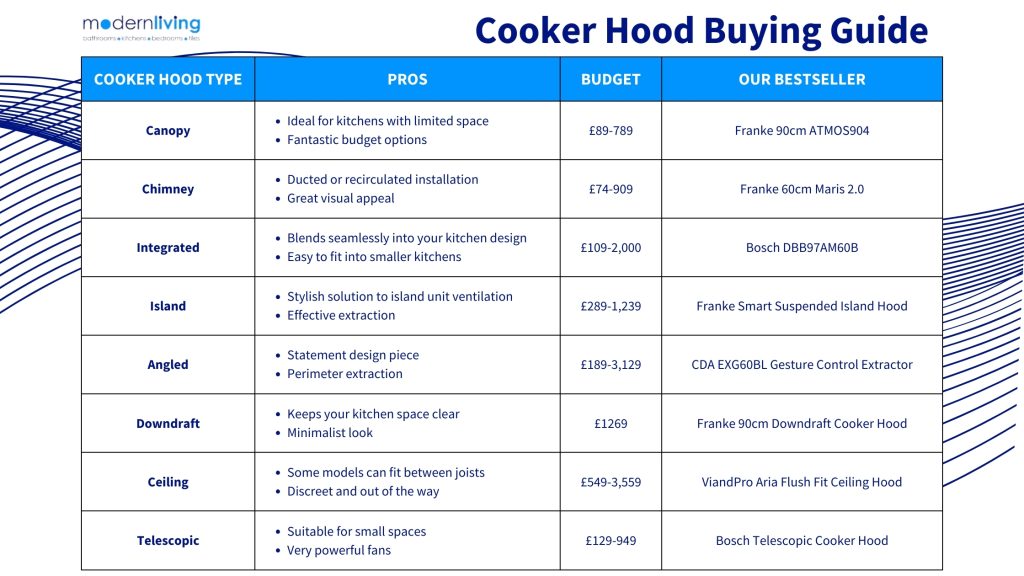
When choosing a layer applicant, it’s essential to consider its typology and dimensions. These factors will influence your decision in several ways:
- Soffitto Layers: These are integrated into the ceiling of your kitchen, offering a sleek and modern look.
- Wall-mounted Layers: As their name suggests, these layers are mounted on the wall, providing an excellent solution for kitchens with limited space.
- Inclined Layers: Designed to reduce clutter and provide easy access to cooking areas, these layers are perfect for busy home cooks.
- Integrated Layers in Cookers: These layers are built into your cooker, making them ideal for compact kitchen spaces.
Capacity of Aspiration
The capacity of aspiration is another critical factor to consider. This parameter is usually expressed in cubic meters per hour (m3/h) and should be proportional to the dimensions of your cooker. Here’s a simple calculation to help you determine the required capacity:
- Calculate The Room Size: Multiply the length, width, and height of your kitchen by 10.
- Consider Your Cooking Habits: If you frequently cook strong-smelling foods like fish or meat, you may need to increase the capacity.
Other Characteristics
When selecting a layer applicant, there are several other characteristics to consider:
- Rumbling Noise: Look for layers with a low decibel rating (dB) to minimize disturbance.
- Materials: Opt for steel inox and tempered glass, which are easy to clean and durable.
- Leak System: Choose layers with an advanced leak system and filters that can be easily cleaned or replaced.
Conclusion
Choosing the right layer applicant for your kitchen is a crucial decision. By considering factors like modality of aspiration, typology and dimensions, capacity of aspiration, and other characteristics, you’ll be able to find the perfect layer applicant for your needs. Remember to assess your cooker’s requirements and choose a layer applicant that meets those needs.
Frequently Asked Questions (FAQs)
Here are some frequently asked questions related to layer applicants:
- What is The Difference Between a Layer Applicant And a Filter?
A layer applicant is an appliance designed to extract steam, smells, and fat from cooking areas, while a filter is a component that traps solid particles and pollutants.
- How do I Choose The Right Capacity of Aspiration For my Kitchen?
To determine the required capacity, calculate your kitchen’s volume by multiplying its length, width, and height by 10. Consider your cooking habits and adjust accordingly.
- What Are The Benefits of a Layer Applicant With Recirculation (filtration)?
A layer applicant with recirculation can reduce energy consumption and minimize noise levels, making it an excellent choice for kitchens with limited space or noise constraints.
- Can I Install a Layer Applicant Myself?
While it’s possible to install a layer applicant yourself, it’s often recommended to hire a professional to ensure proper installation and optimal performance.
- What is The Lifespan of a Layer Applicant?
The lifespan of a layer applicant varies depending on usage and maintenance. On average, you can expect a layer applicant to last for around 10-15 years with regular cleaning and maintenance.
- Can I Use a Layer Applicant in a Kitchen With no Flue?
Yes, you can use a layer applicant without a flue by opting for a recirculation (filtration) system. However, ensure that the layer applicant is designed specifically for this purpose.
- How Often Should I Clean And Maintain my Layer Applicant?
Regular cleaning and maintenance are essential to ensure your layer applicant operates efficiently and effectively. Aim to clean your layer applicant every 3-6 months, depending on usage and local regulations.
- Can I Replace Individual Components of my Layer Applicant if They Become Faulty?
Yes, most modern layer applicants come with easily replaceable components, making maintenance and repairs a breeze.


